Annie Zhijin Hu
MFA Digital + Media
Until the Ground Breaks
Annie Zhijin Hu’s practice frames perception as a displacement between material existence and cognitive construction, where objects emerge through sensing, memory, and interpretation. She examines how rational systems—archives, data, and language—produce illusions of coherence and permanence, regulating the instability and incompleteness of lived experience.
Video file
Multichannel Video Installation
Image
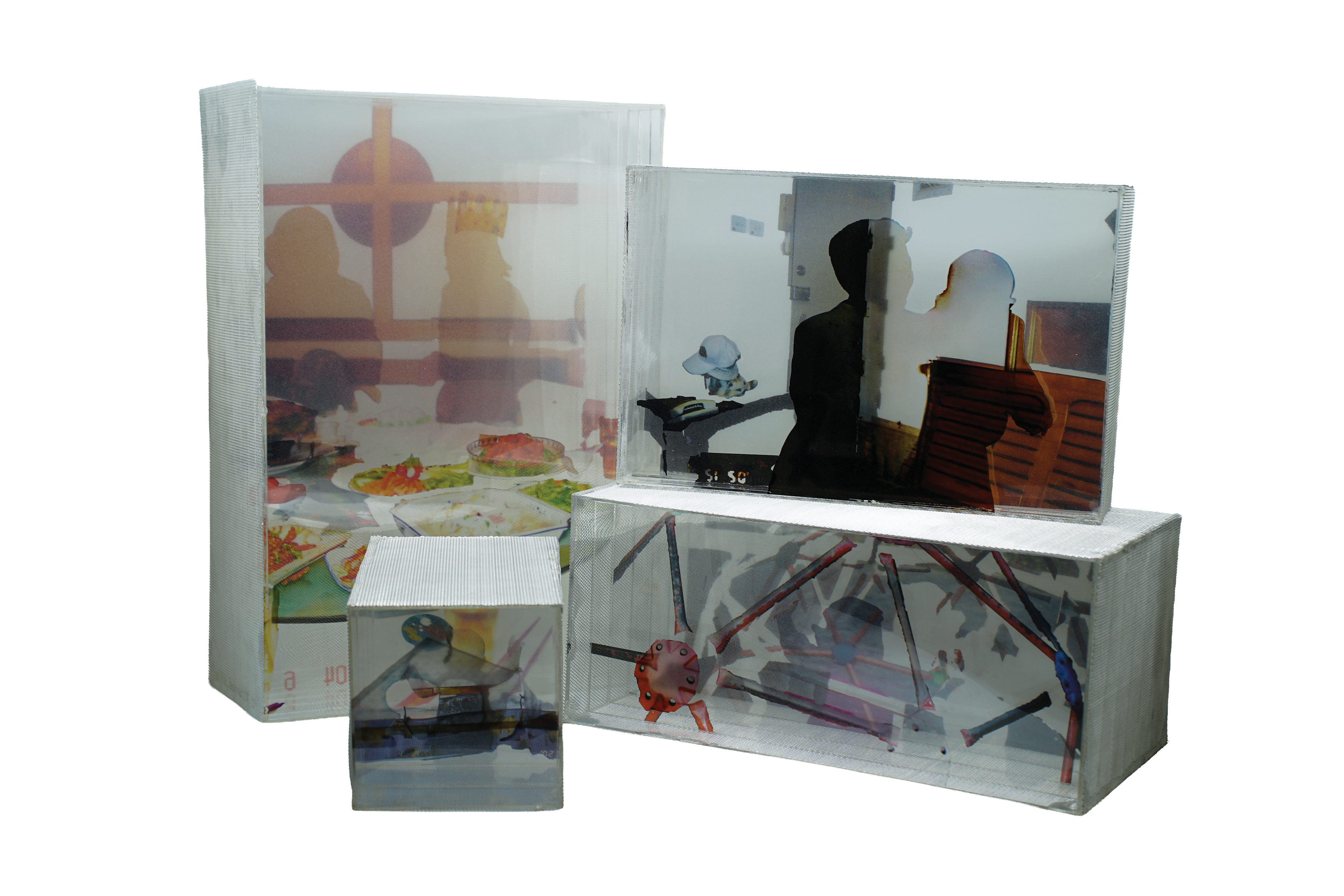
The Absent Presence
By digitally erasing the subject from archival photographs, the image is reduced to a vacated site. This operation dissolves the sealed object of the past, redirecting focus to the active consciousness of the present viewer. The physical past recedes, and the photograph becomes a ghost-like field ready to be perceptually re-inhabited.
Image
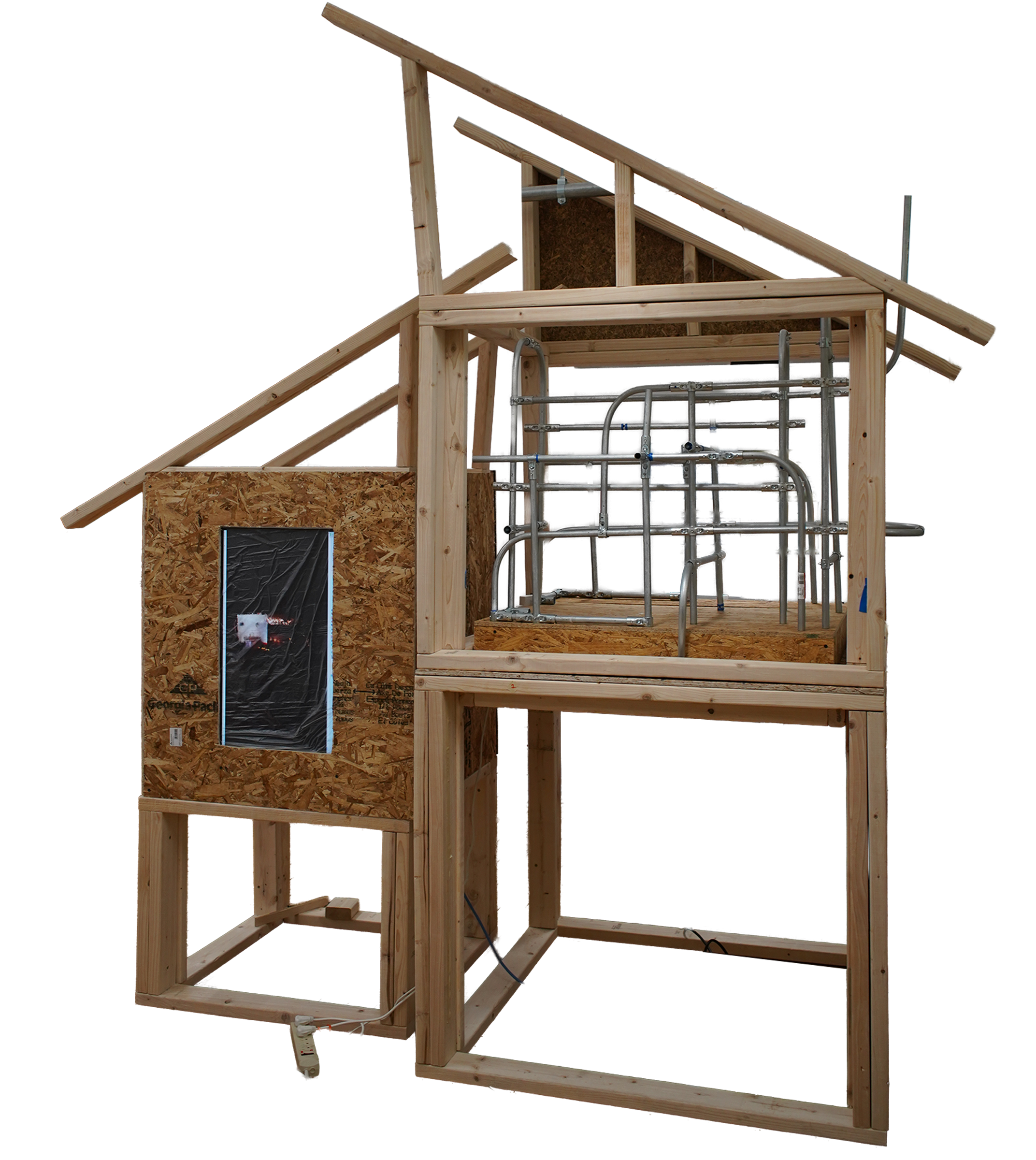
Until the Ground Breaks
Wood. Metal, Multichannel Videos, Old Images
As archival structures of the memory that once promised continuity begin to disintegrate, this work examines the imposition of an internalized archival grammar onto sensory experience. Through literary observation, it reveals how ambiguous and unclassifiable embodied memories are discarded as “invalid data” in the pursuit of narrative coherence, ultimately becoming invisible sacrifices.
Image
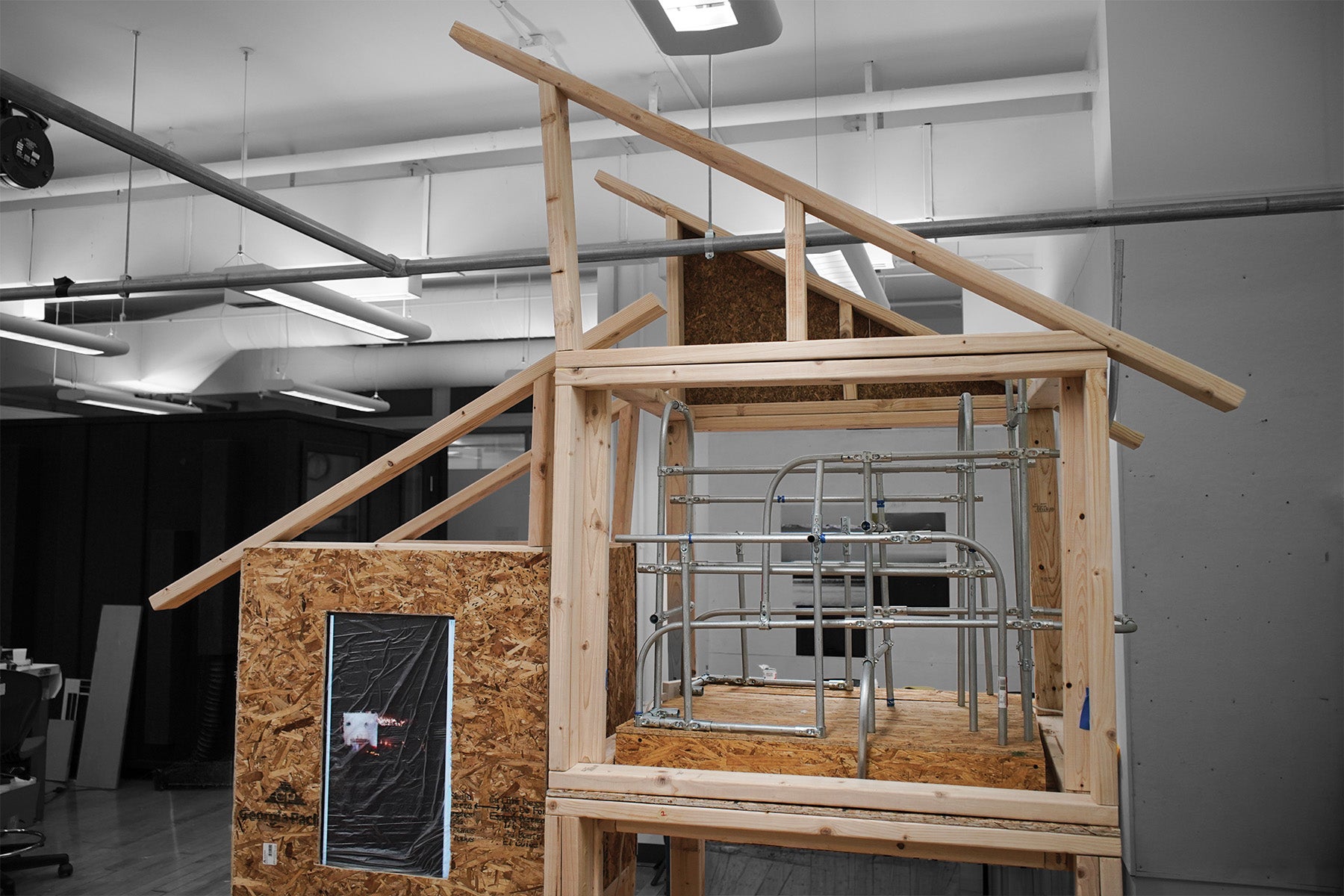
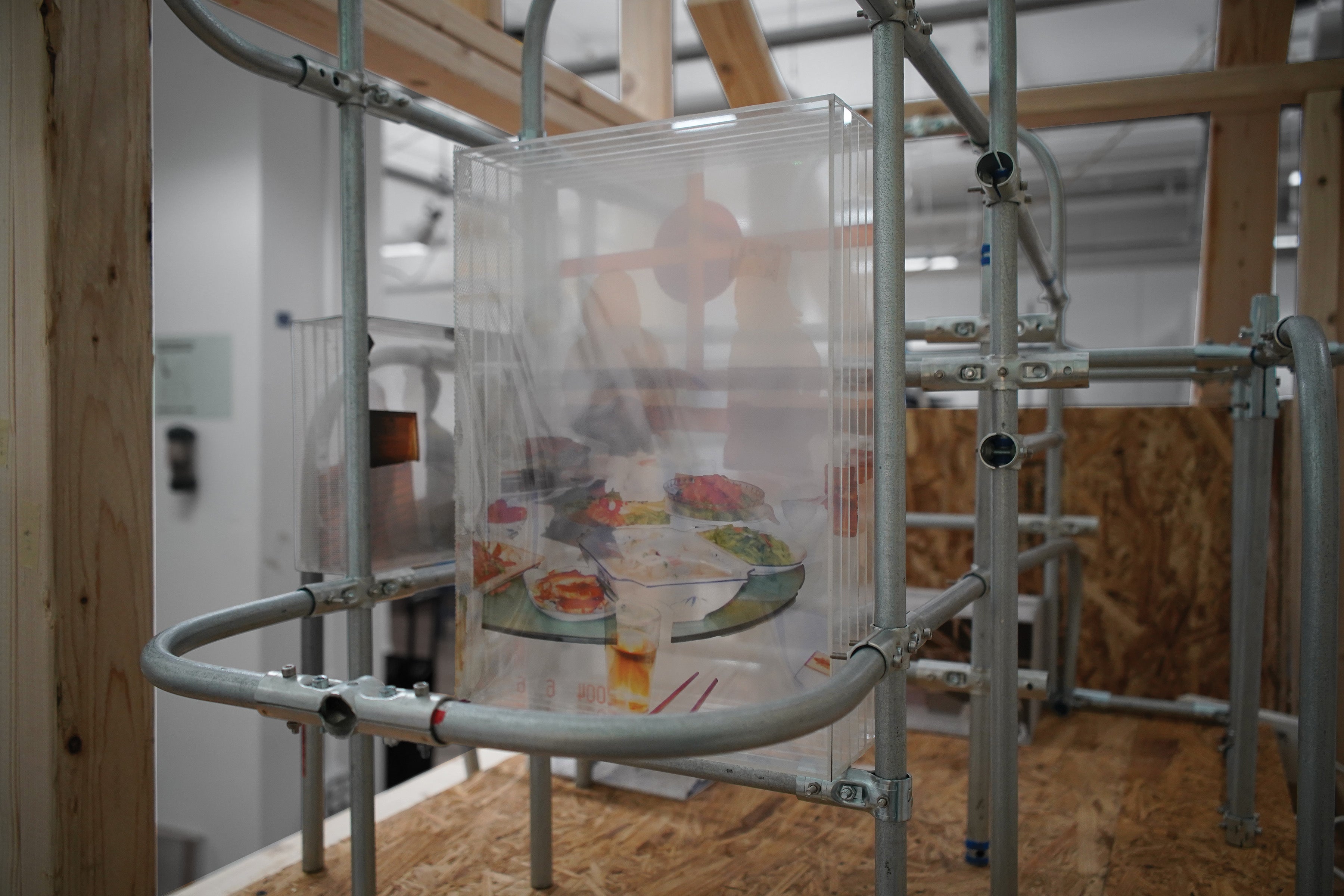
Archival logic is materialized and forced into a fragile wooden structure that models the psychological space of a house. Language and memory are no longer immaterial; they are cut, sanded, and standardized like raw timber, assembled into a system that holds only temporary stability while remaining vulnerable to humidity and time.
Image
Image
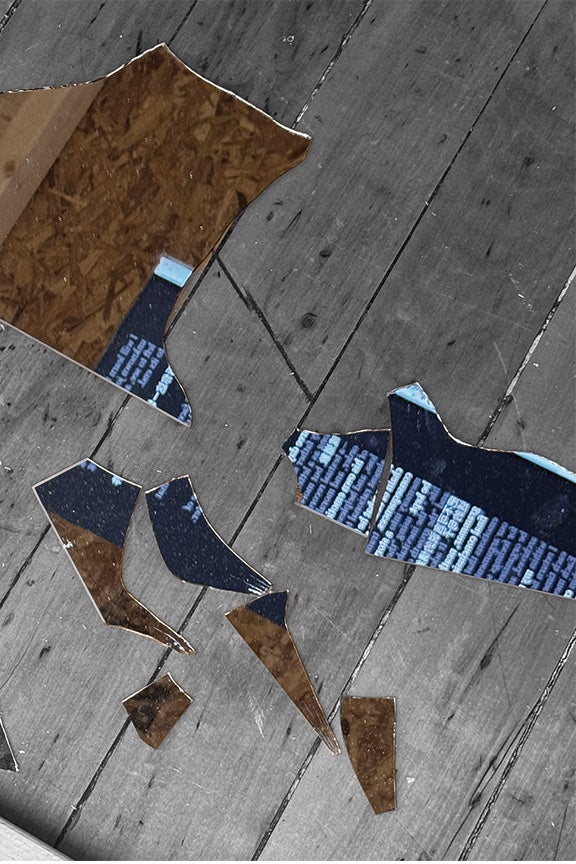
Beneath the structure, in a dark space below the basement, lies what precedes language itself: the force of a grandmother’s grip, the scent of decaying wood, and the lingering echoes of speech after Alzheimer’s dissolves temporal continuity. These unresolved sensory fragments form a shifting ground—one in which breakdown and reconstruction continuously reconfigure one another.
Image

Rhode Island School of Design
20 Washington Place
Providence, RI 02913–2784
United States of America
+1 401 454 6100
+1 800 364 RISD
QUICK LINKS
risd.edu
Graduate Studies


Image
Rhode Island School of Design
20 Washington Place
Providence, RI 02913–2784
United States of America
+1 401 454 6100
+1 800 364 RISD