Areeha Ahmad
MA Global Arts and Cultures
UNDER SIEGE: TEMPORAL ECOLOGIES, KINSHIP AND THE METHODOLOGICAL POLITICS OF RESISTANCE
Research has long asked questions regarding the causes of knowledge gaps, archival inconsistencies and methodological failures. My project reframes that conversation etiologically to center how research methodologies function as necropolitical technologies in diffused death-worlds. The project therefore asks instead, what is the purpose of the persistence of these gaps in knowledge production? In doing so, the project identifies research design as a symptom of "apartheid nostalgia," a structural longing that locks knowledge production in the taxonomies of loss, blood and death. By contextualizing this argument within Mbembe's necropolitical vocabulary, i examines how research methodologies determine whose knowledge matters and whose can be rendered illegible.
The recognition that there exists a fundamental rupture between the methods we have inherited for knowing the world and the actual conditions of knowledge production in a world structured by necropolitical power becomes central here. Rather than archiving these violences through archival repair, my project asks a different question: what do we see when we adopt an intent-first method, when we evaluate what research is actively building towards instead of what it fails to capture? This is not the architecture of repair, but the everyday work of catering to knowledge in the cracks and gaps of necropolitical devastation.
Image
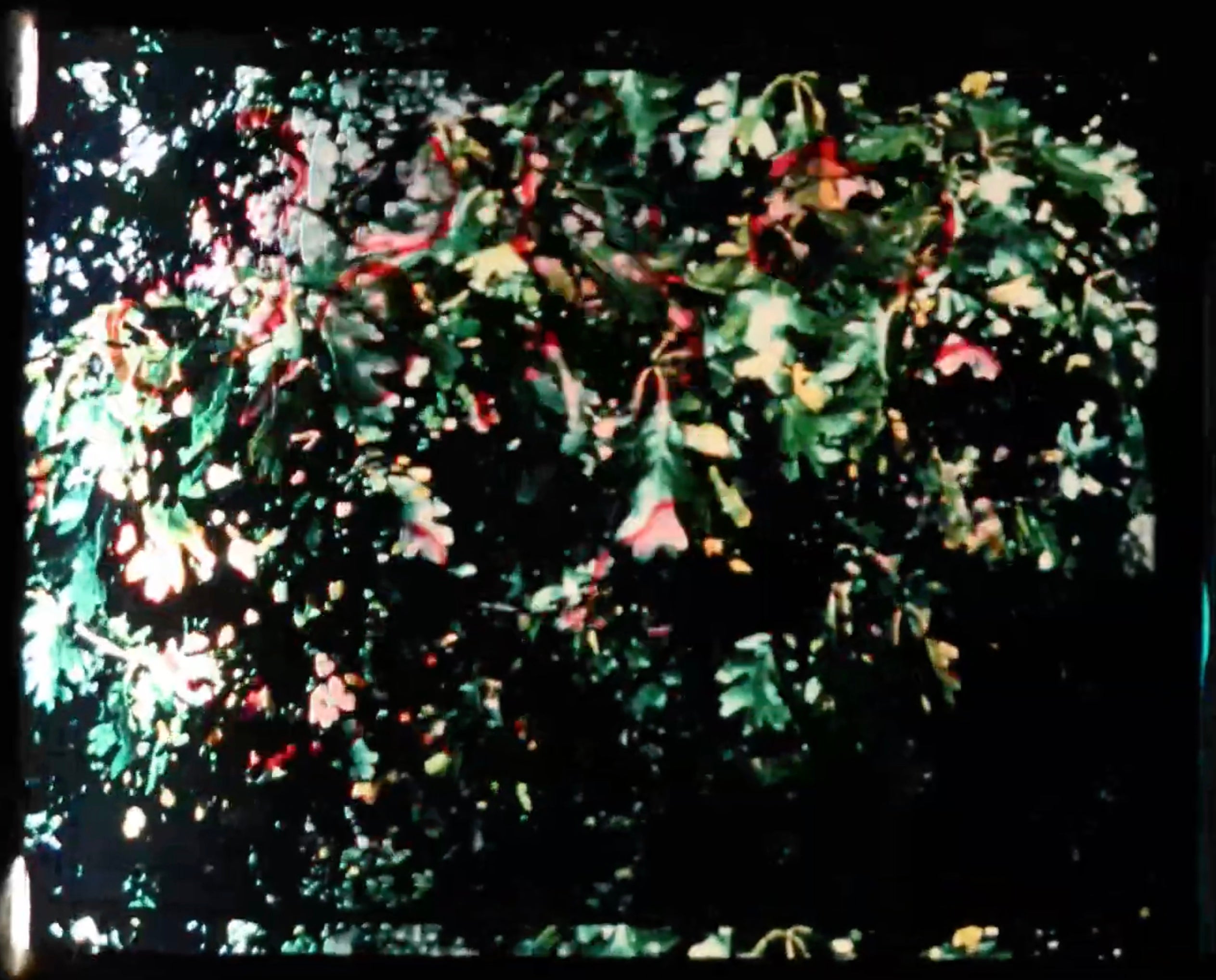
A film strip scratched and stained by hand, layered in deep red hues, textureed, fragmented and raw; an elegy of loss made material.
Note: this draws from my dissertation's description of Figure 3, the frame showing Nayyab's technique of physically working the celluloid surface, with visuals that bleed red as the film transforms into grief.
Image
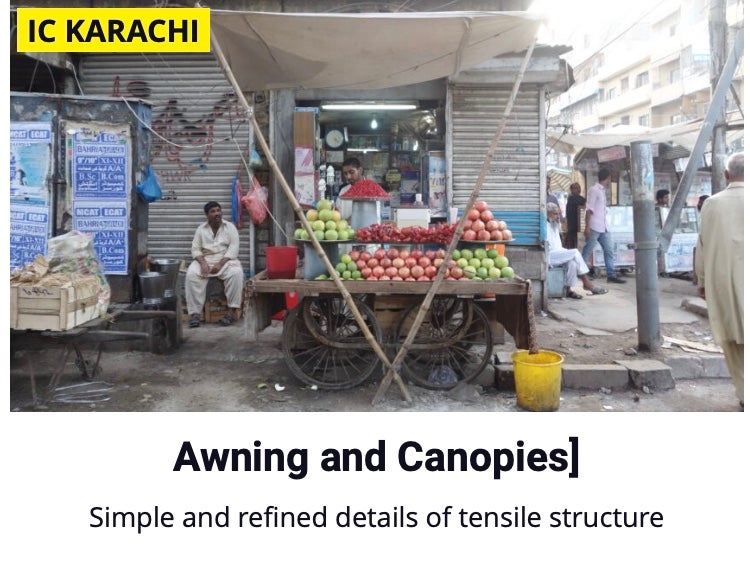
Inteligencias Colectivas
From the Lahore Biennale Foundation's Karachi chapter.
Image
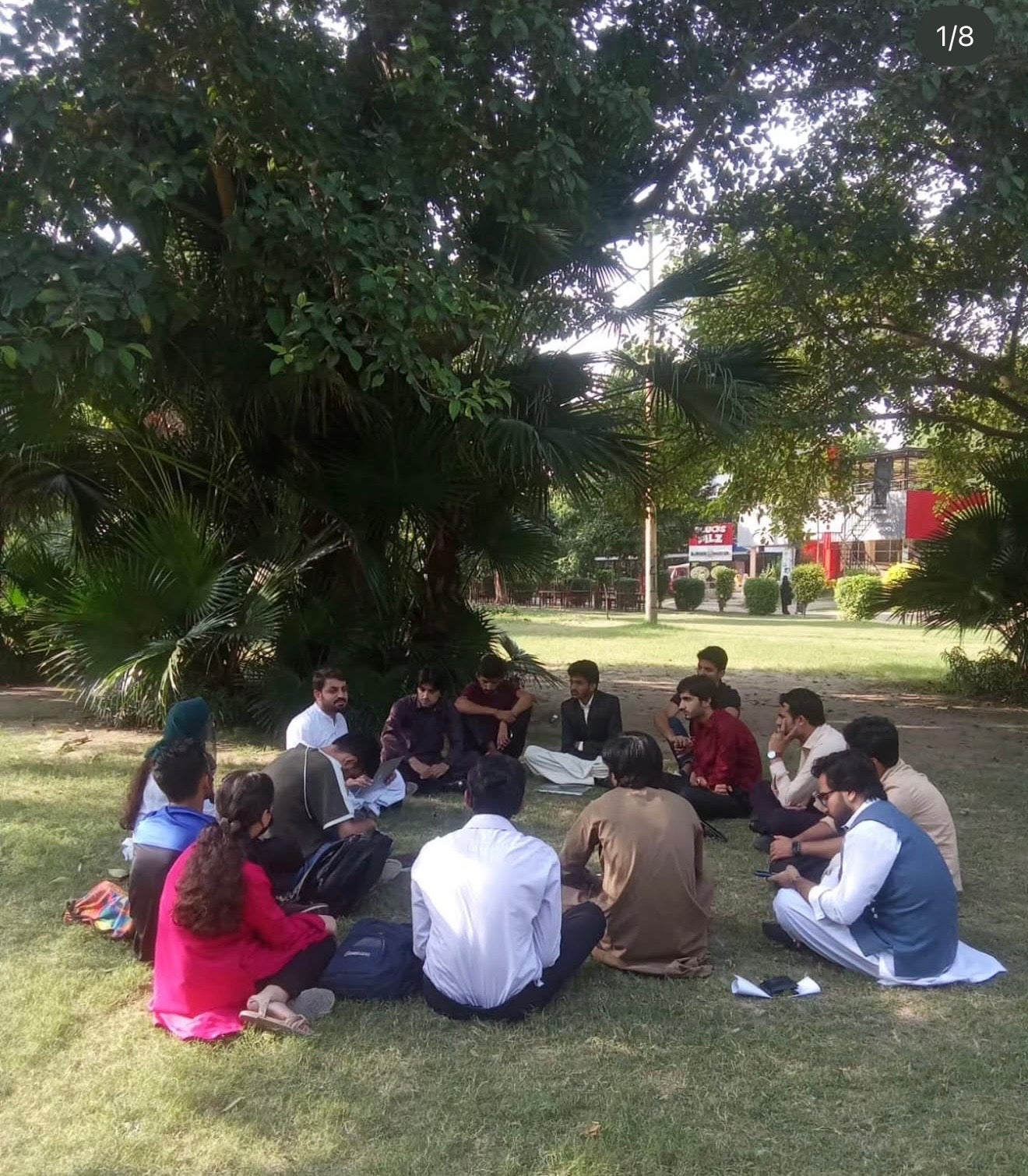
LEF / PSC study circles in Pakistan
Image

Rhode Island School of Design
20 Washington Place
Providence, RI 02913–2784
United States of America
+1 401 454 6100
+1 800 364 RISD
QUICK LINKS
risd.edu
Graduate Studies


Image
Rhode Island School of Design
20 Washington Place
Providence, RI 02913–2784
United States of America
+1 401 454 6100
+1 800 364 RISD