Barbara Cutlak
MFA Graphic Design
Open Forms
Architecture always exists in relation to the context in which it stands. There is no way, however, to anticipate how the constructed space will be inhabited, or transformed by the surroundings — and so, it remains open to discovery and change. Graphic design form can operate in a similar way: opening itself to a context by offering multiple ways of seeing, interacting and being performed.
Drawing from the contexts that have informed my practice — my training in architecture and the artistic movements of Brazil, my home country — Open Forms experiments with how to translate these spatial procedures into graphic design, through objects that activate experience and invite the viewer to inhabit other points of view.
Image
Image
Image
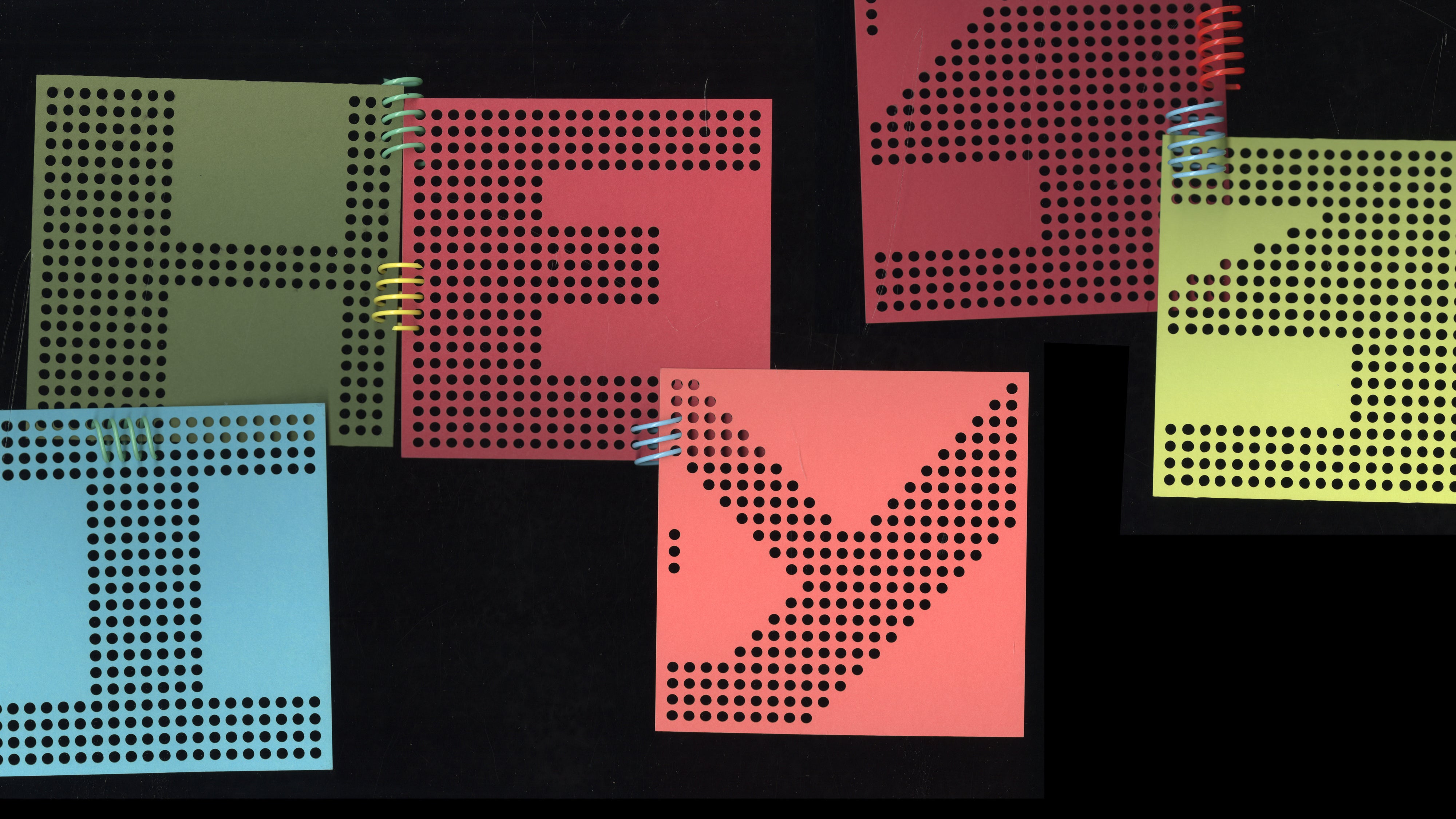
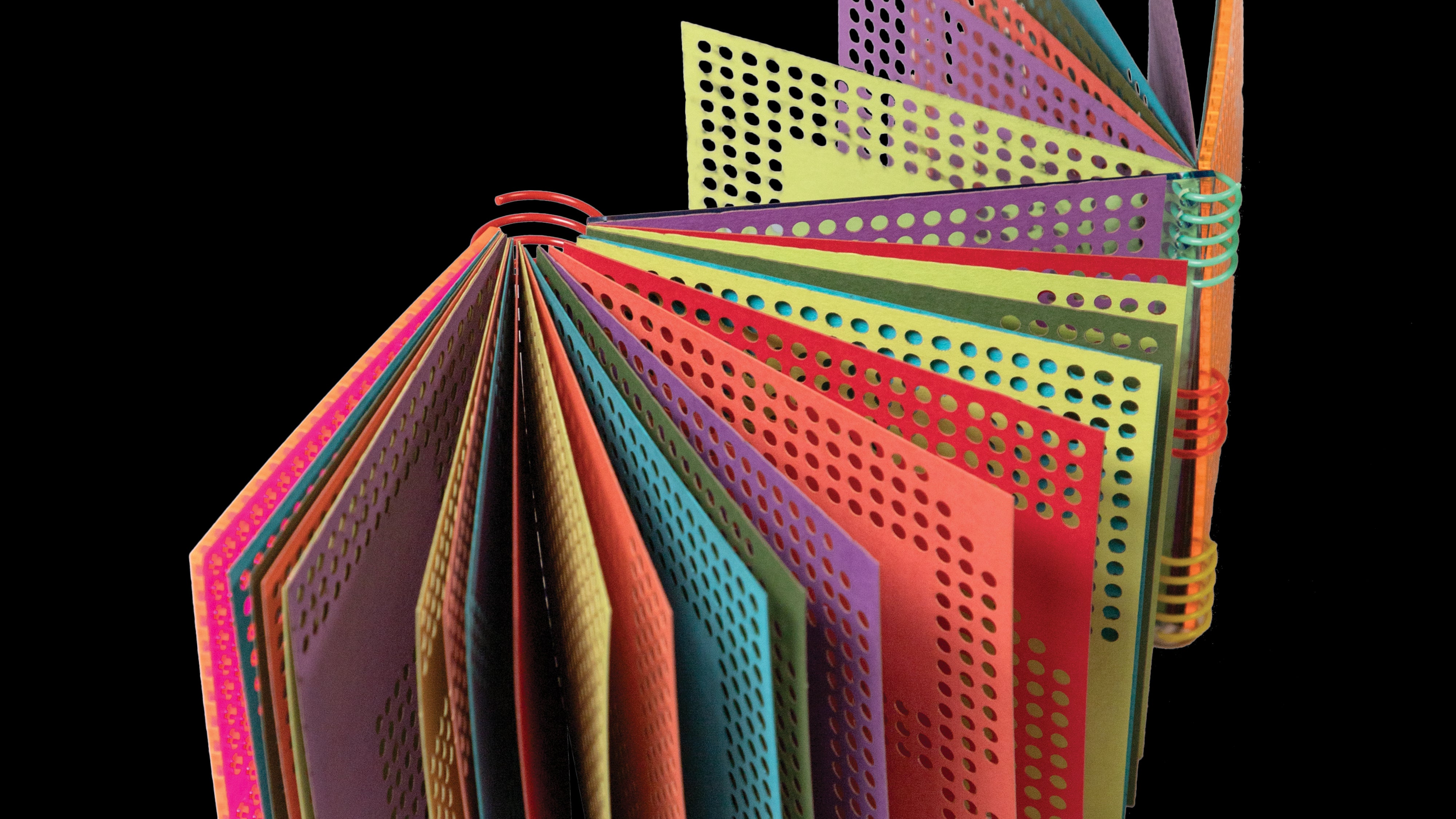
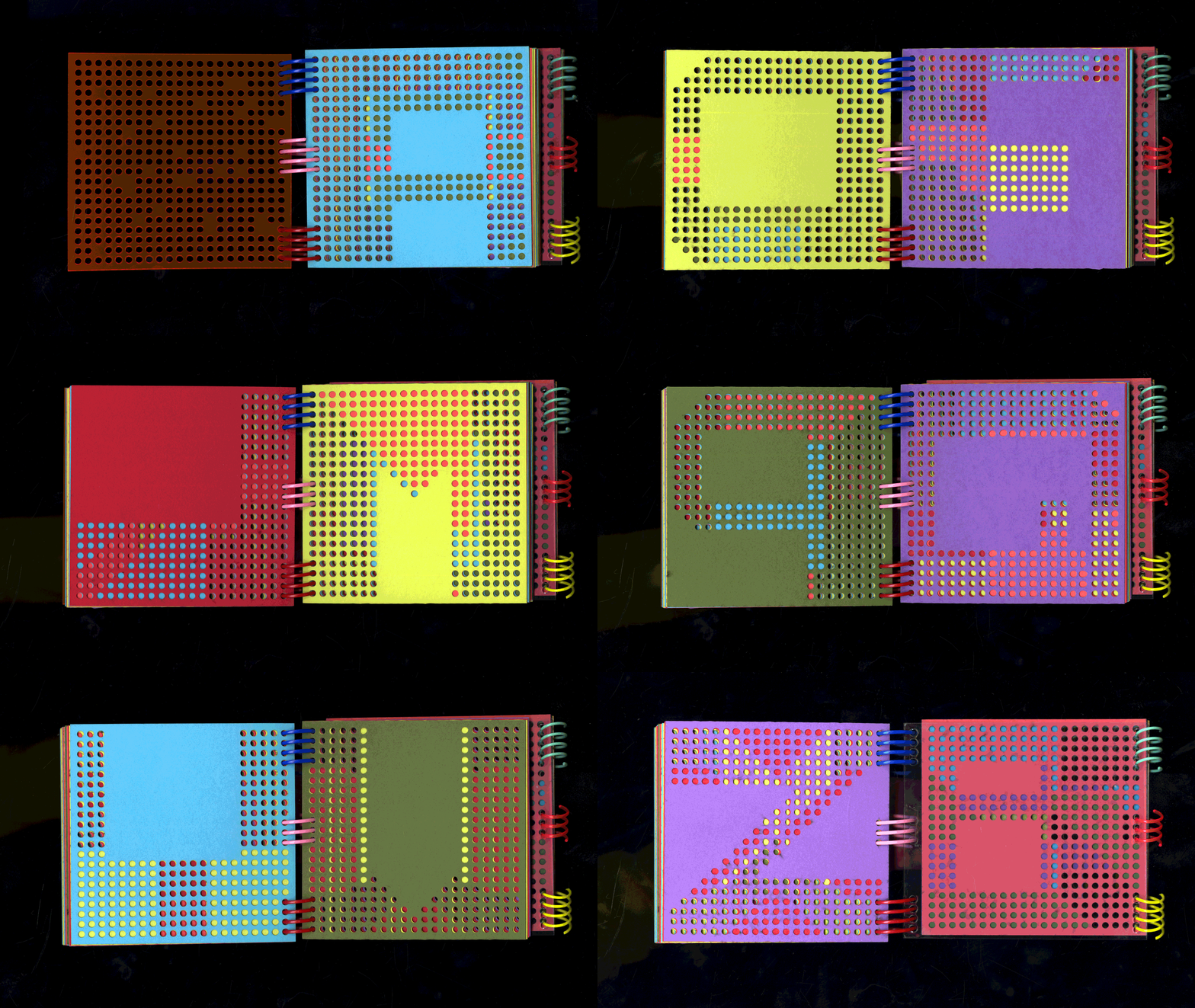
Counter-Dots is a book that explores space and tactility through the design of letterforms. The modulation and movement of the spiral define the rules for constructing the alphabet. The book can be completely disassembled and used in an open-ended way. Do-si-do book, spiral bound; laser cut on Canson 300g paper, several colors.
Image
Image
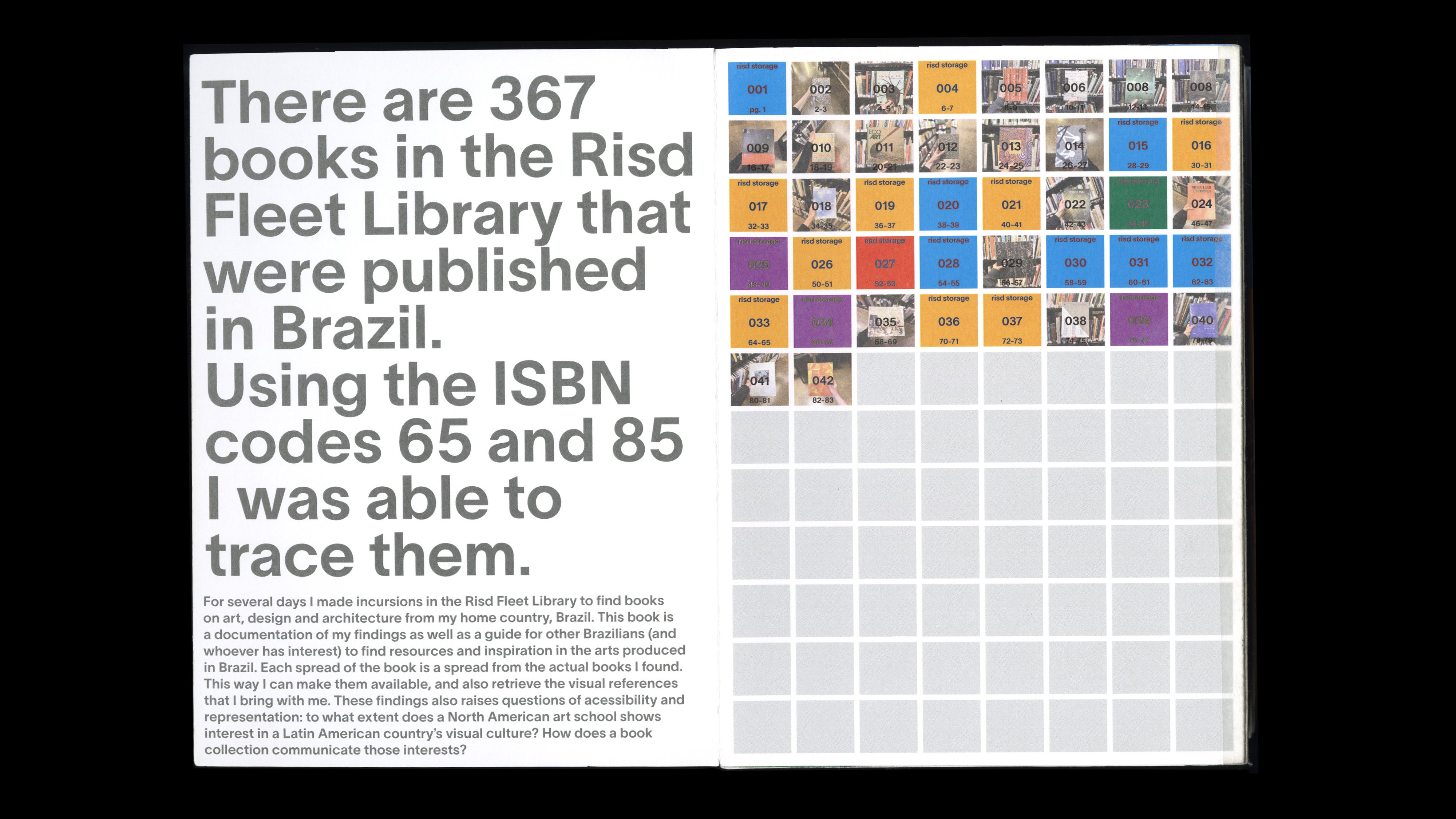
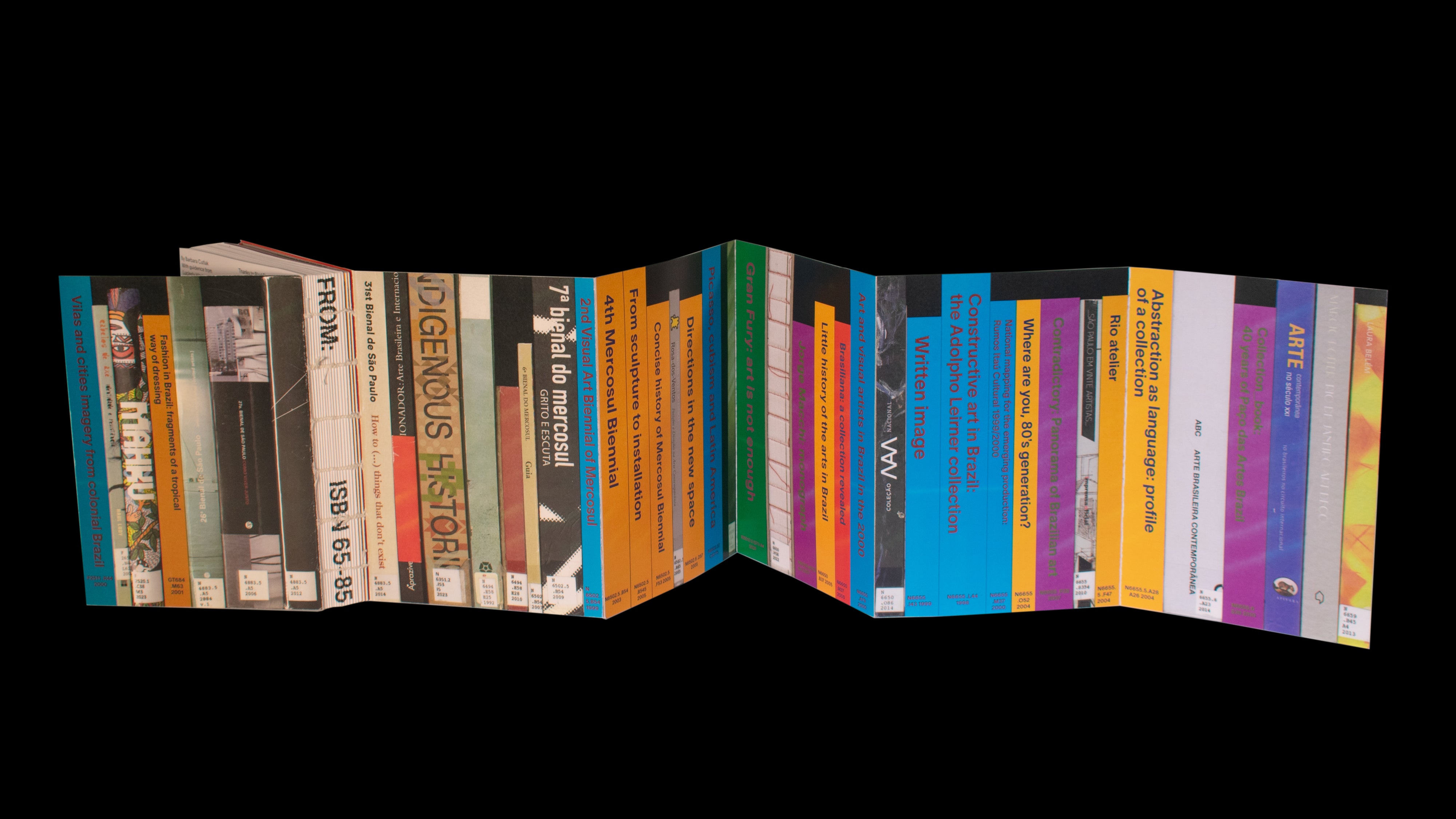
How many art and design books traveled from Brazil to the Fleet Library? Far from my own library, I traced these titles through ISBN codes and arrived at a precise number: 367. ISBN 65-85 is a book that compiles the result of this investigation: each page corresponds to a page from a Brazilian art book, forming a library within another. In this way, the entire collection becomes visible and condensed within the volume of the book itself.
Image
Image
Image
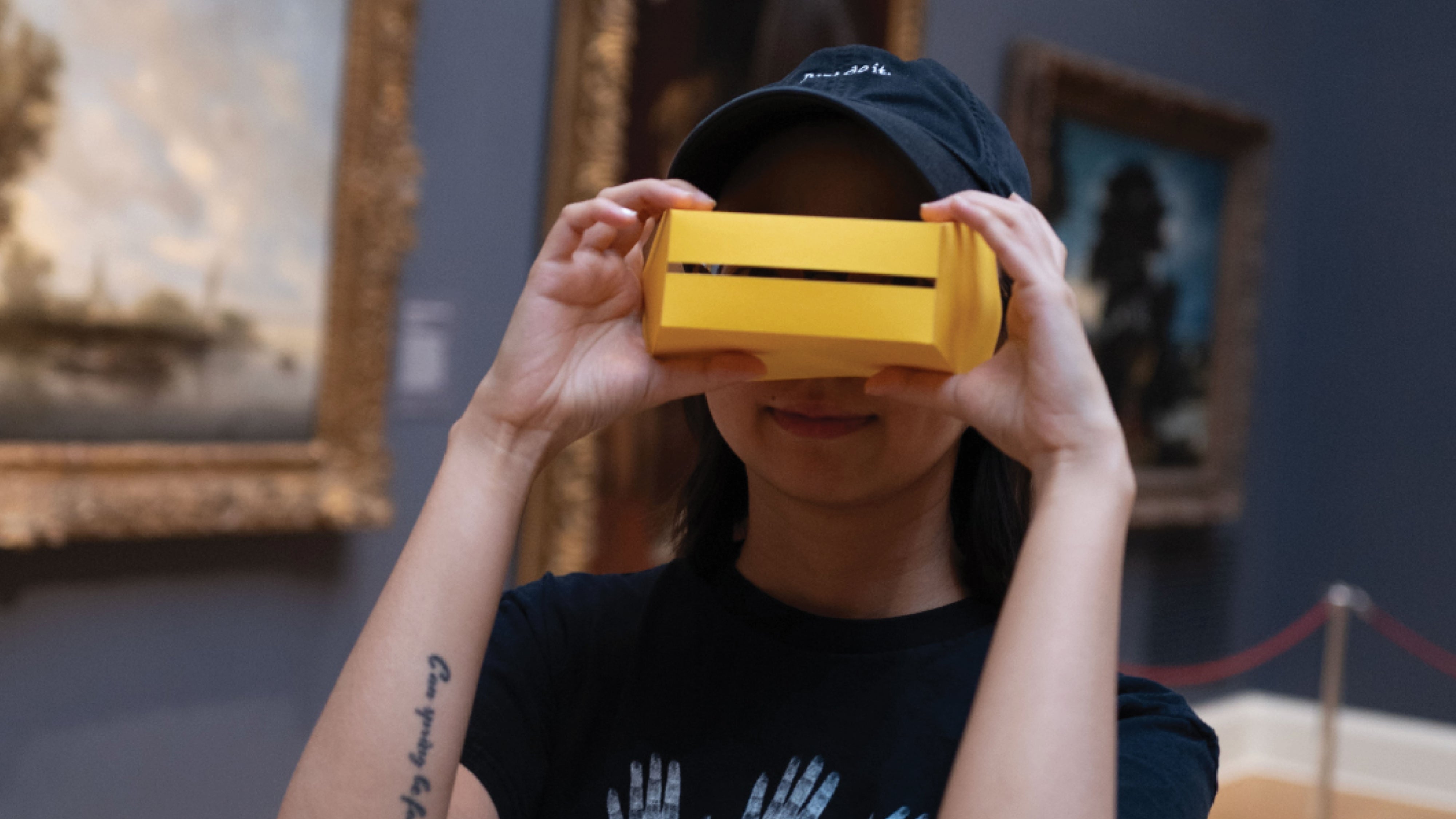
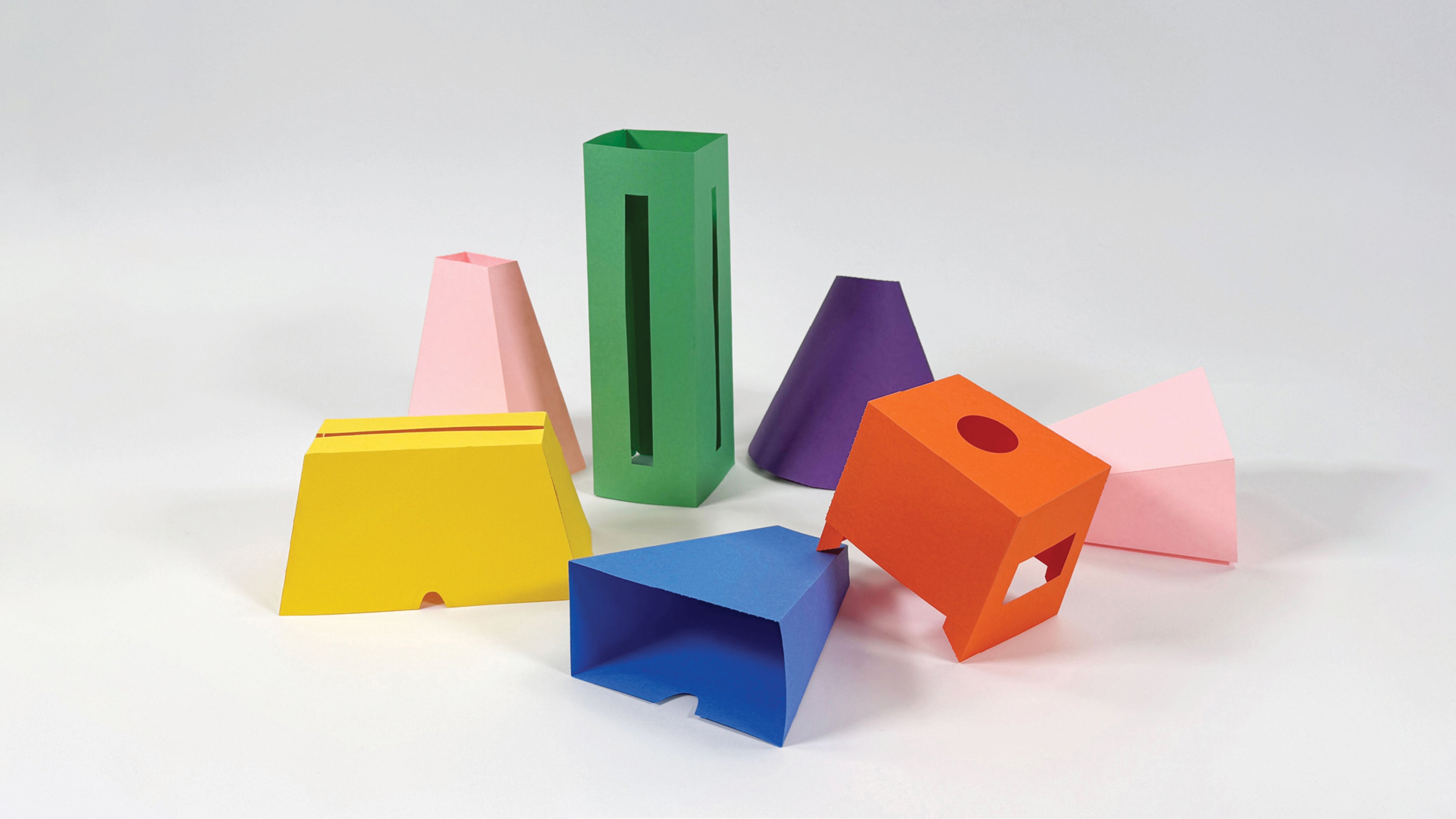
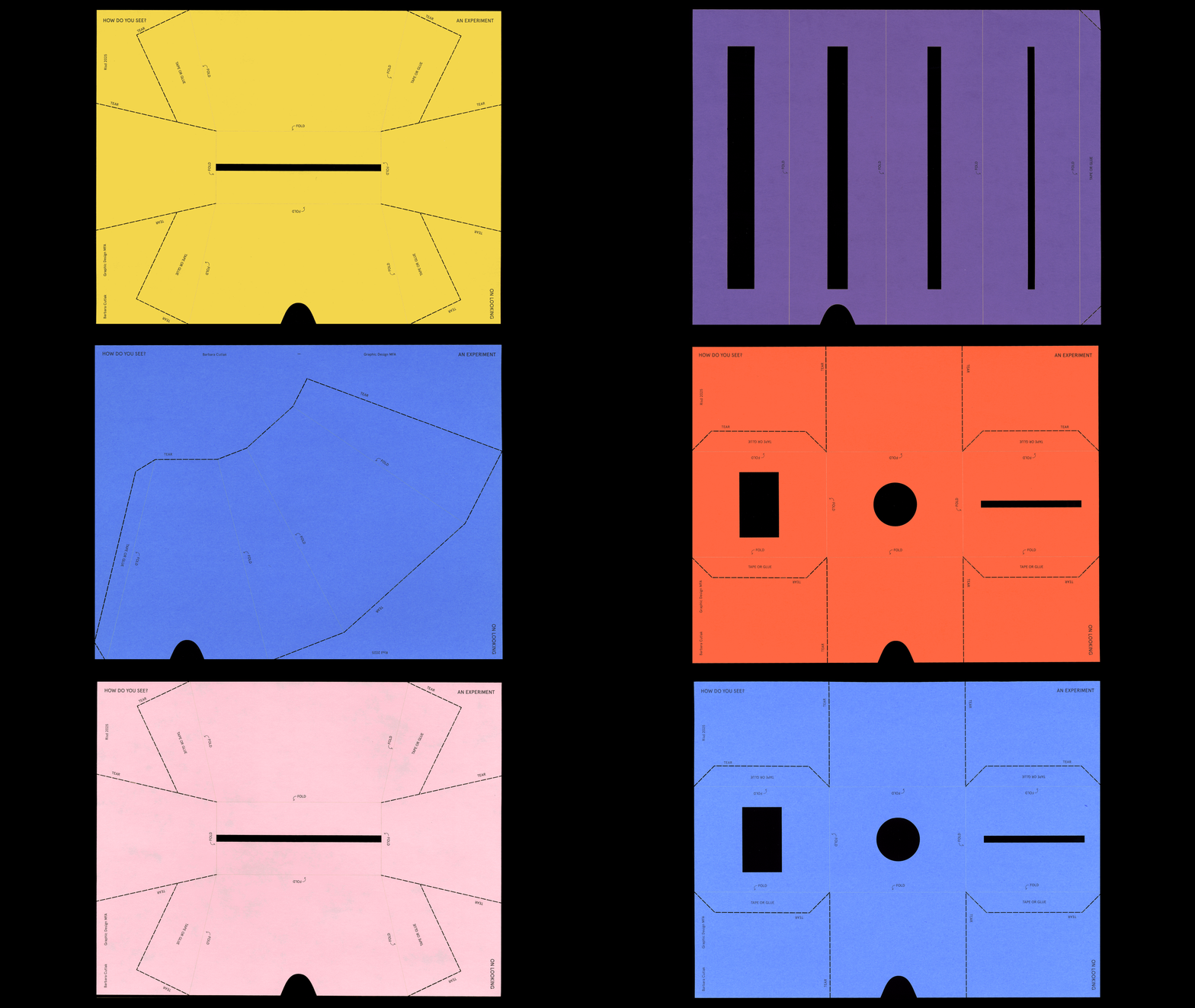
With varied shapes and colors, this set of devices for vision, called How Do You See?, transforms the viewer’s perception. Created for the galleries of the RISD Museum and accompanied by prompts and small guides, they are touchable objects that symbolize different ways of seeing and interacting with artworks.
Image

Rhode Island School of Design
20 Washington Place
Providence, RI 02913–2784
United States of America
+1 401 454 6100
+1 800 364 RISD
QUICK LINKS
risd.edu
Graduate Studies


Image
Rhode Island School of Design
20 Washington Place
Providence, RI 02913–2784
United States of America
+1 401 454 6100
+1 800 364 RISD