Ben Posheng Cheng
MID Industrial Design
Frictional Intelligence
Anthropomorphism in the design of human-AI interfaces paints an illusion of what AI actually is and what it is good for. Conversational interface overhypes the capabilities of AI and deceives users from its limitations. As a user interface, it has several usability issues and is pushing the application of LLM to inappropriate fields without any opportunity for examination.
I want to propose a new approach towards designing interfaces of AI that is based on the idea of making AI machine-like. That is, designing interfaces that are directly linked to how the system functions. The interface should hint to the user directly what are the limitations of the system and make perceivable the internal changes originated from user inputs. In machines, the knobs, dials and buttons are even often physically connected to the mechanical shafts, pulleys and gears. This is the most directly manipulable system that provides instant feedback and also informs the user how it works. Such an interface demands human attention and in no way takes agency away from the user. It is the extreme opposite of an anthropomorphic conversational interface that pretends to have human-level intelligence. Machine-like interface makes it clear that it is a tool that the user engages deliberately and its output should be examined and evaluated by humans.
Image
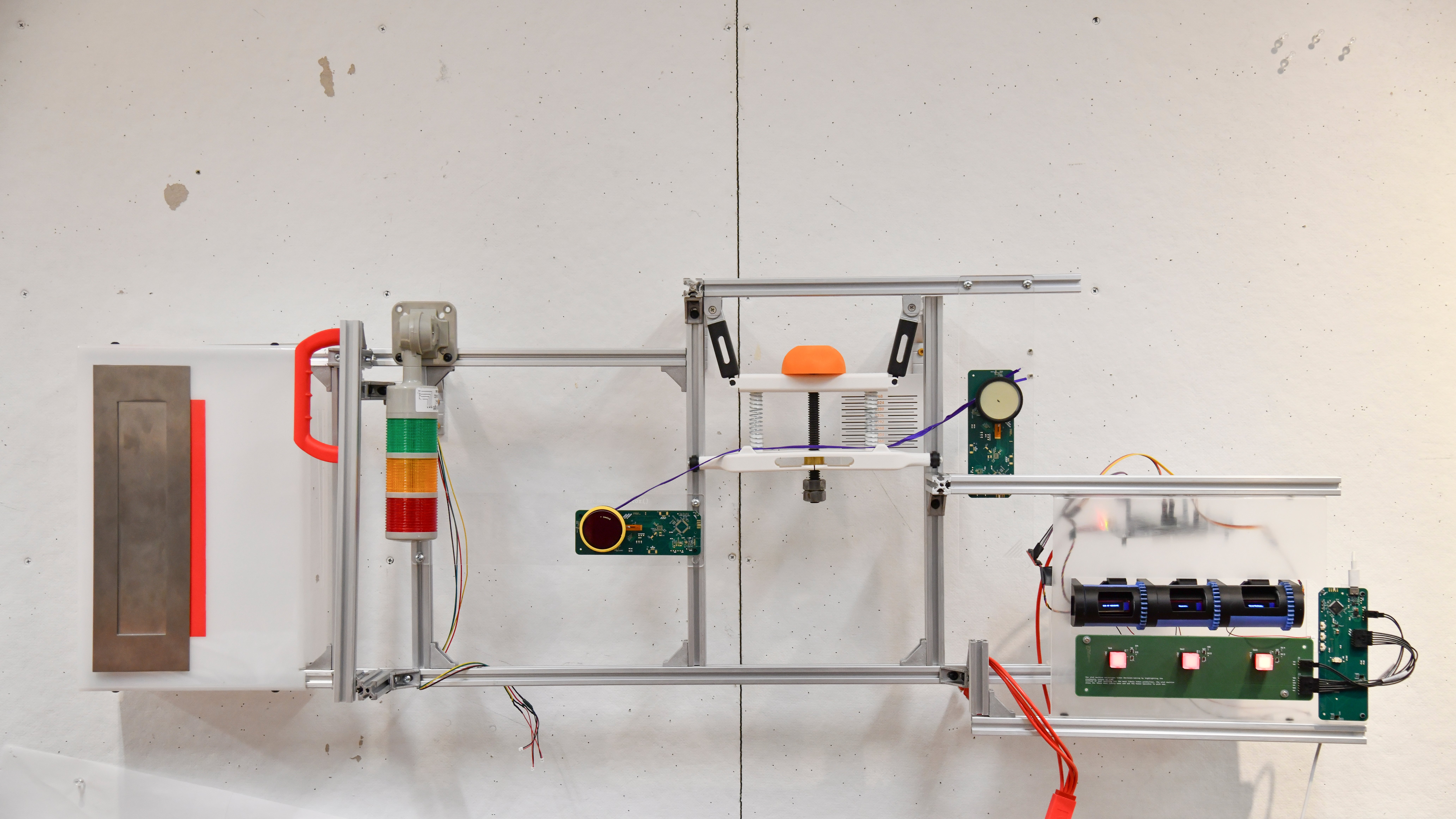
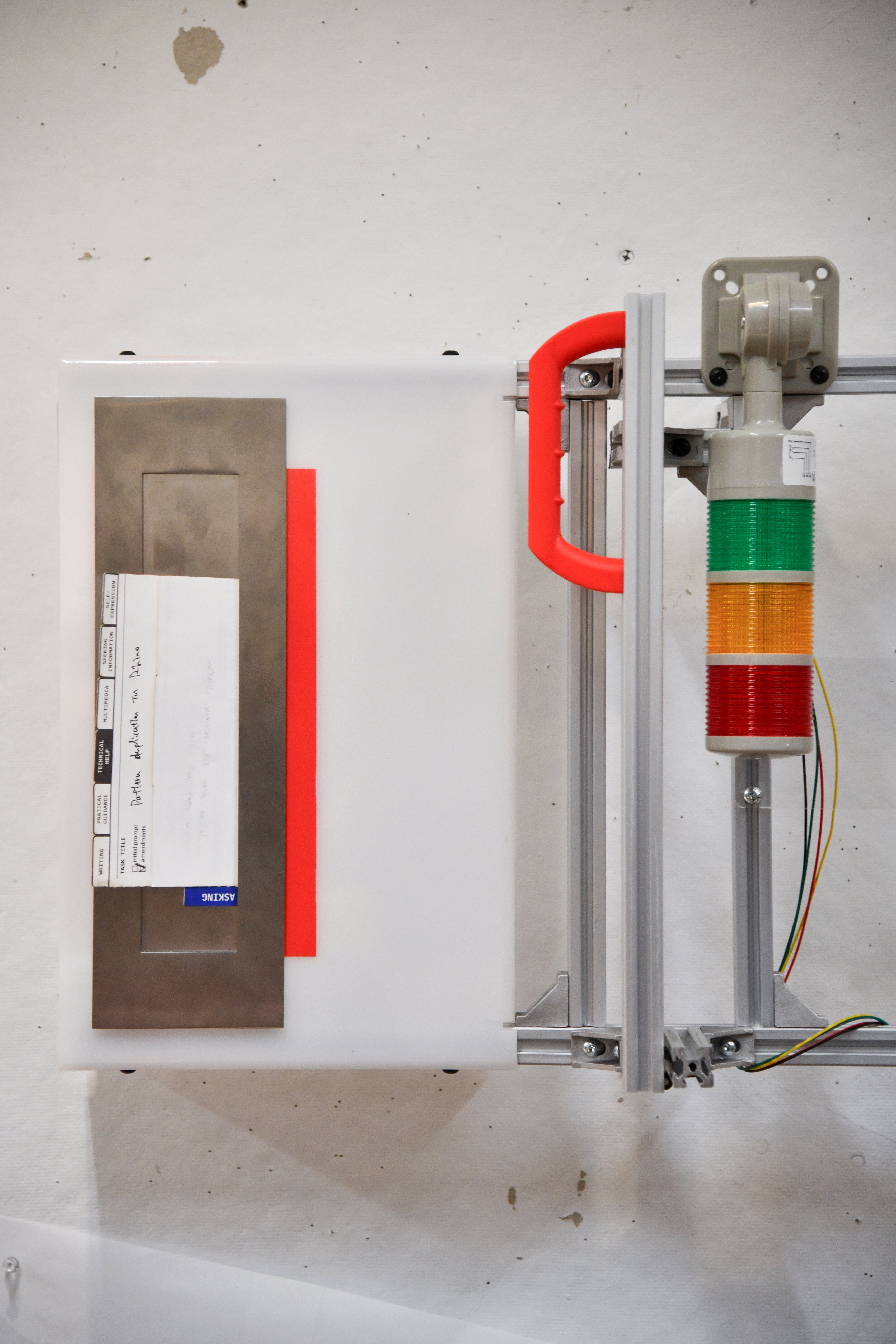
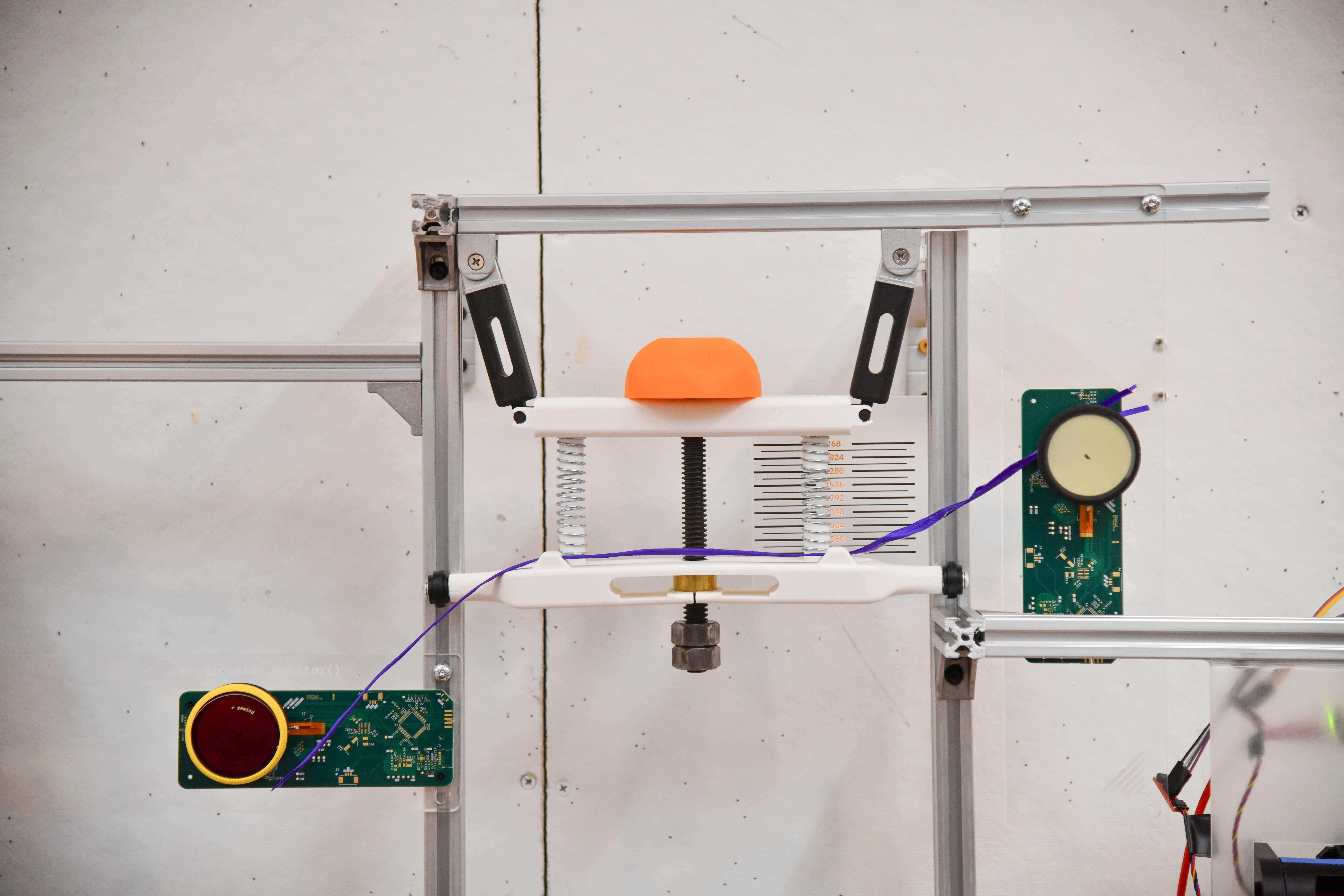
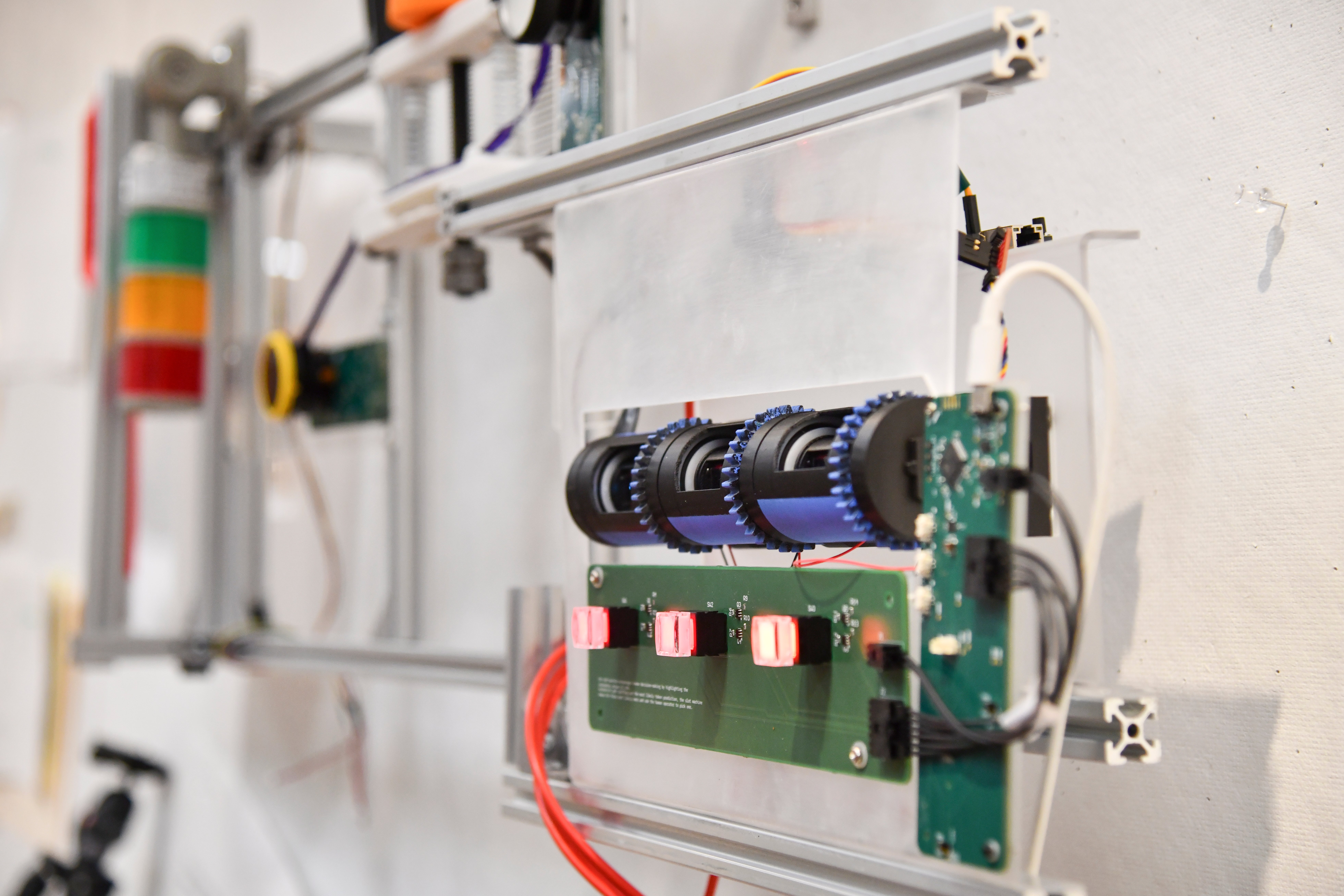
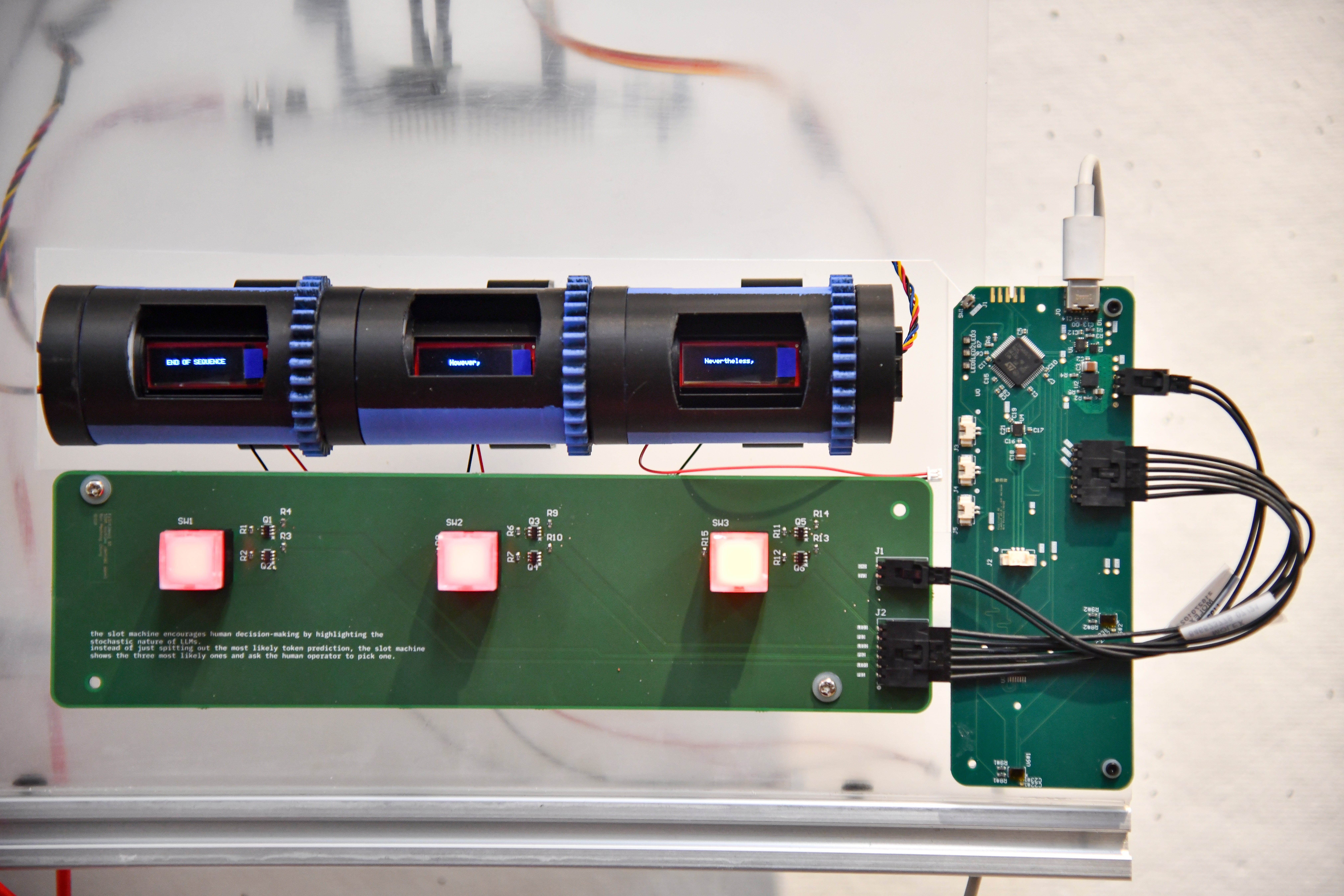
the fixture that demonstrates several machine-like interfaces. using tangible metaphors to highlight certain aspect of AI that is obscured by anthropomorphism and interpret AI as a machine-like tool. human agency, deliberation is emphasized when interacting with the machine interfaces. it intentionally make AI less intuitive, less trustworthy and less impenetrable.
Video file
Image
Image
Image
Image
Image
Image

Rhode Island School of Design
20 Washington Place
Providence, RI 02913–2784
United States of America
+1 401 454 6100
+1 800 364 RISD
QUICK LINKS
risd.edu
Graduate Studies


Image
Rhode Island School of Design
20 Washington Place
Providence, RI 02913–2784
United States of America
+1 401 454 6100
+1 800 364 RISD