Eliza Marris
MDes Interior Architecture
care ecologies between knots
Discarded fibers like raw wool behave the way harm reduction does. Harm reduction resists stigma and works to move beyond assumptions and oversimplifications of substance use and addiction. Wool is irregular, complicated, and emotionally charged. It resists compression and maintains its own being even when pulled apart. Working with raw wool is in relationship with complexity, as is harm reduction. At its core, harm reduction is grounded in thoughtfulness and empathy towards people, their lived experience, and its nuances. It is a witness to lives, memories, and imprints, acknowledging the entangled realities of addiction. Our detachment from fiber remainders, materials we see as no longer holding value, and social remainders, people and communities we see as flawed, are deeply connected, yet rarely in conversation with one another. What happens when they are?
Care ecologies between knots engages harm reduction and relational care through discarded fibers, inhabitable space, and communal experience. Within experiential, embodied encounters, slant entry points take form, allowing conversations around (opioid) substance use disorder and harm reduction to emerge in spaces that may feel unrelated, unfamiliar, or highly stigmatized. The convergence of embodied practice, scientific analysis, and community knowledge reveals how attentive engagement with materials can foster collective reflection and relationships grounded in care. Harm reduction is about love and meeting people where they are. The material holds this practice.
Image
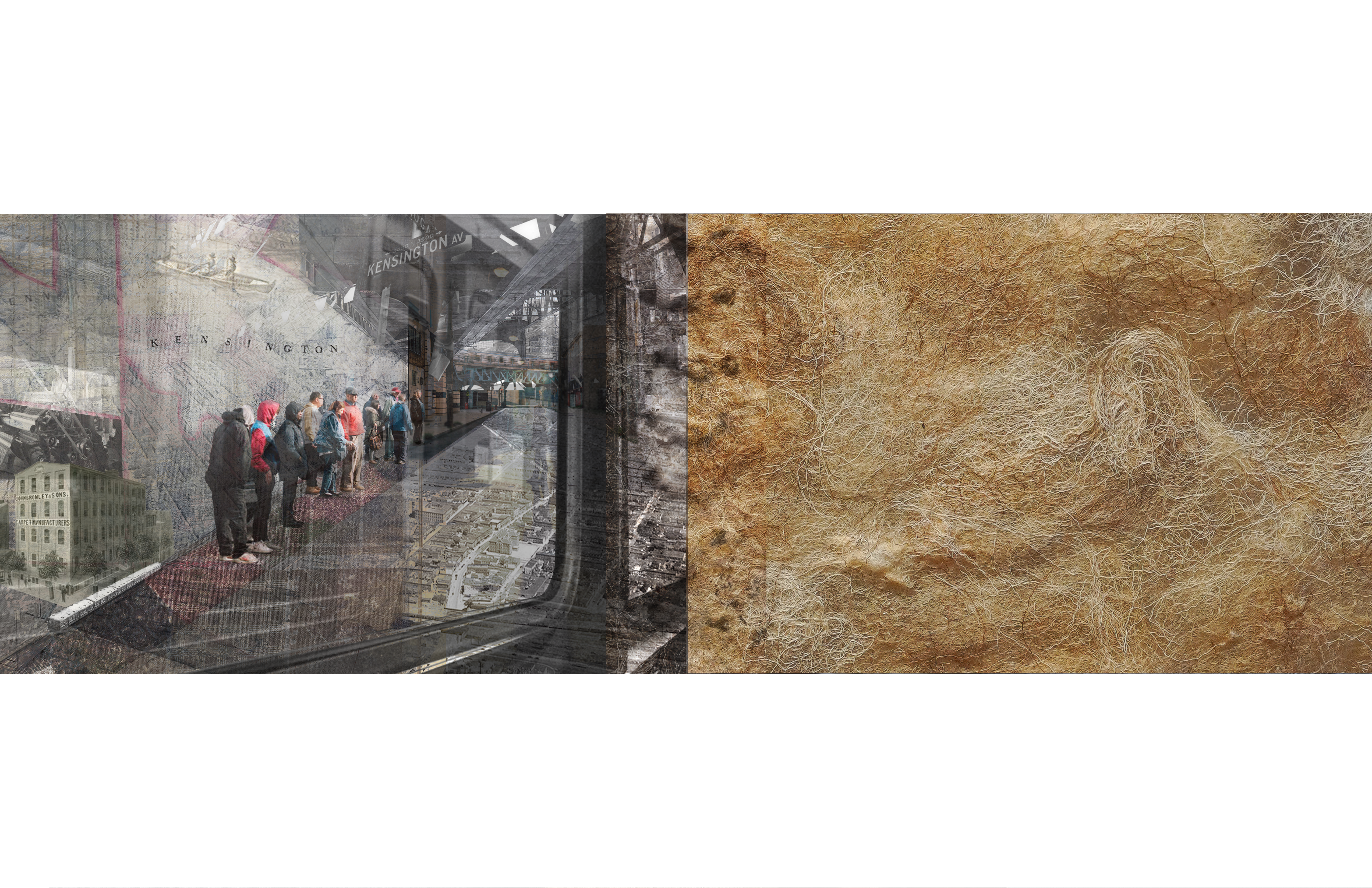
UNDER THE EL
2025
Mixed Media Collage
Composed of images sourced from the Historical Society of Philadelphia, the Philadelphia Free Library, the Encyclopedia of Greater Philadelphia, and photographs by Jeffrey Stockbridge, Mark Romanoff, and Eliza Marris.
Image
Image
Image
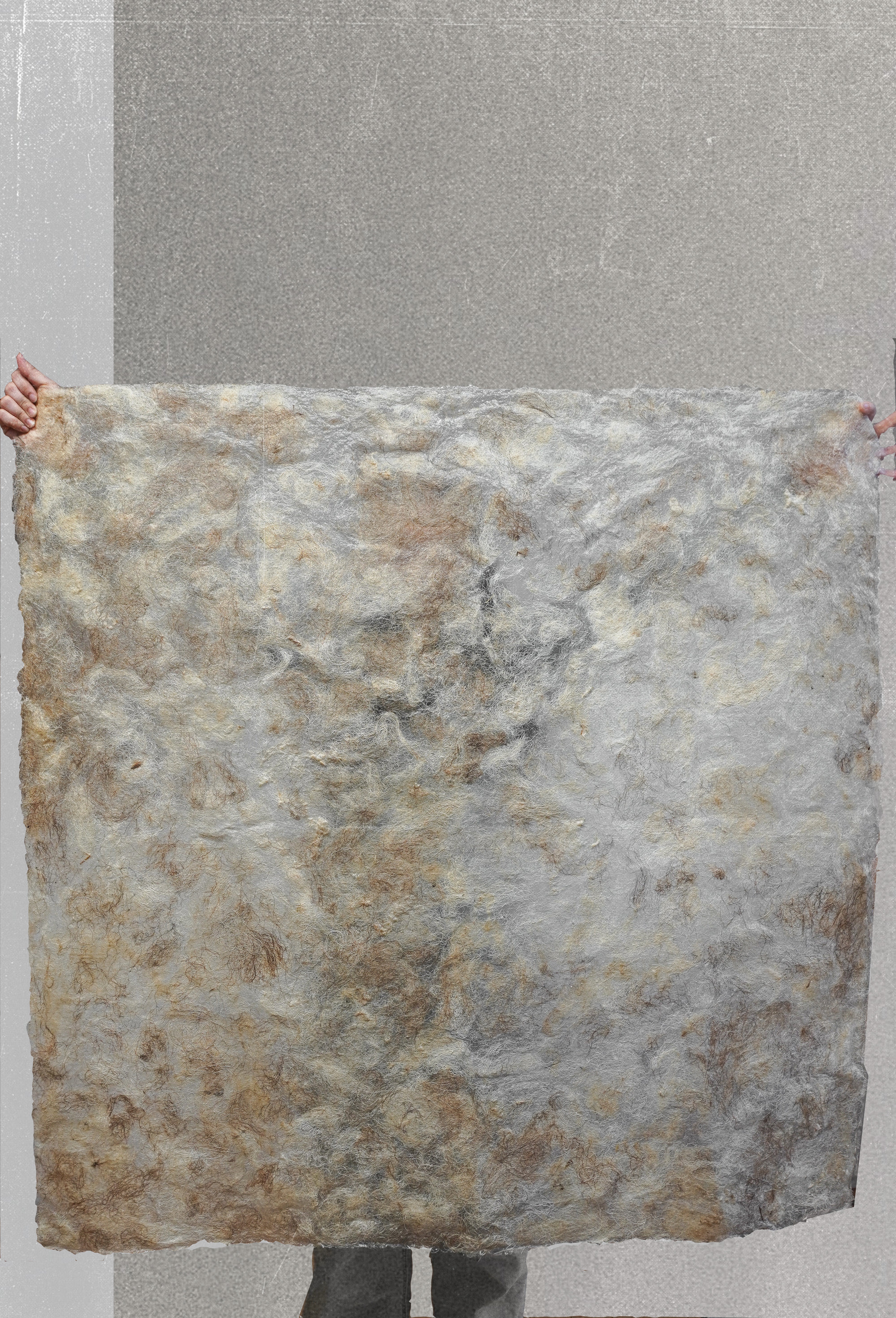
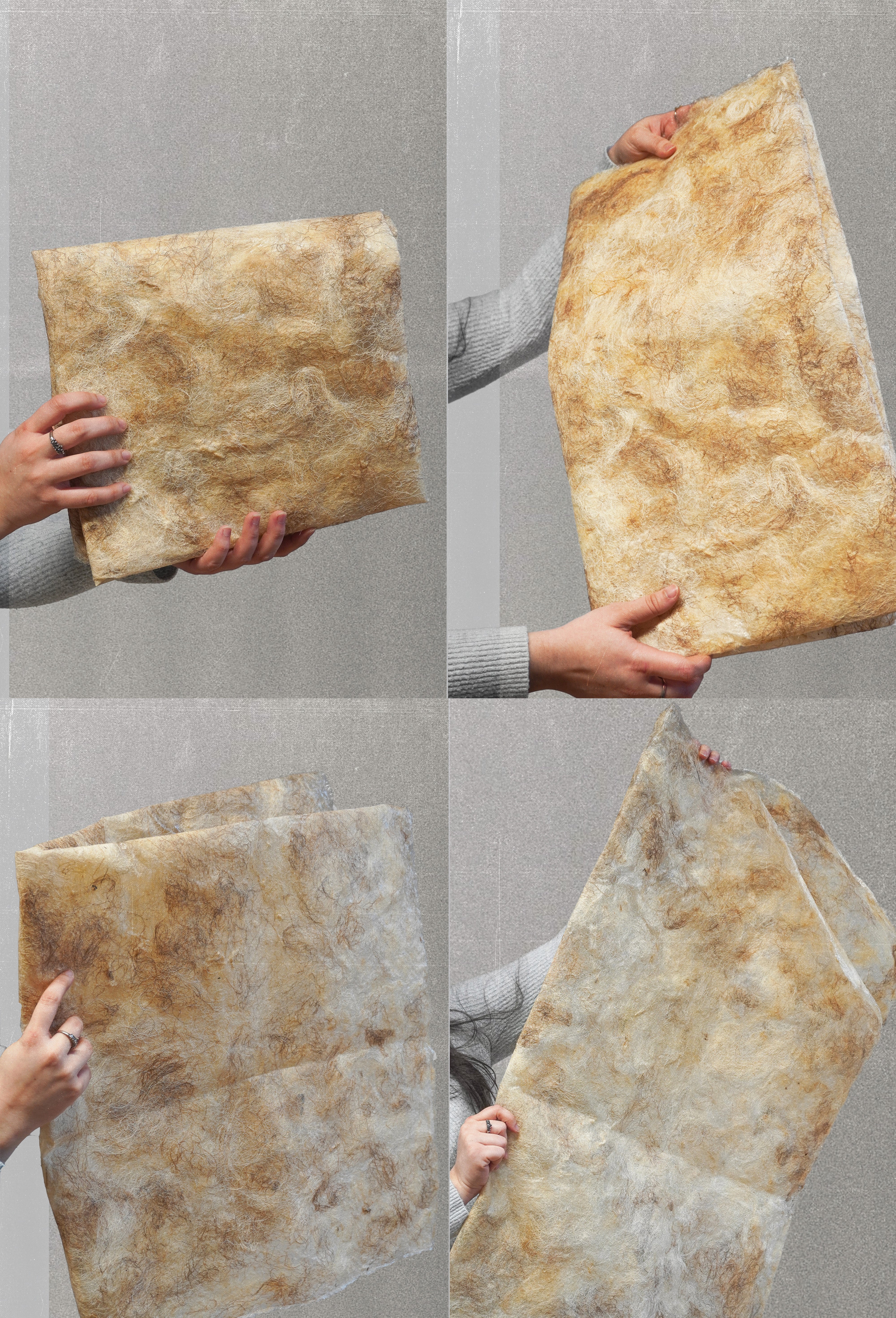
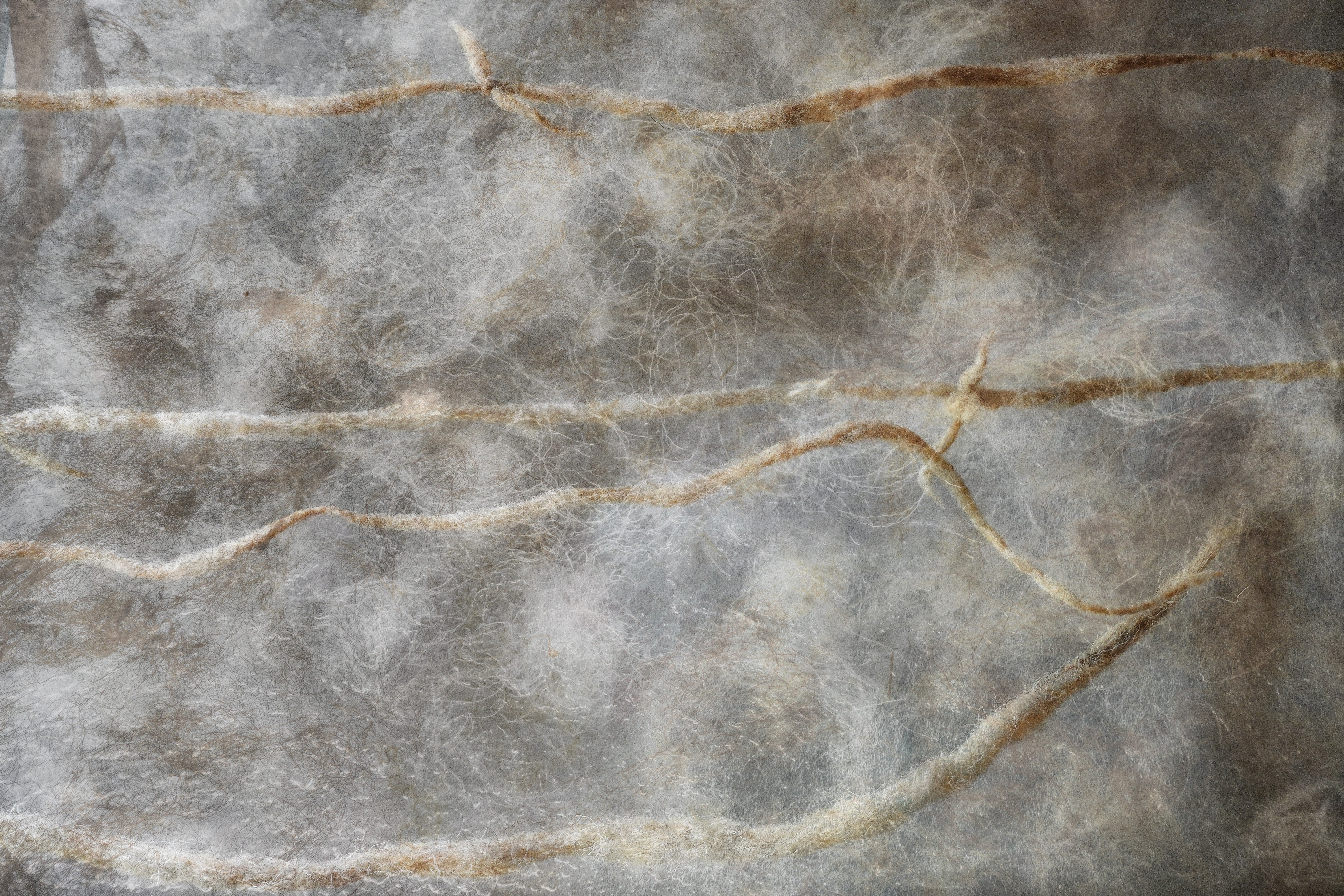
Skin in Transition
2026
Raw wool and sodium alginate skin composite, 4' x 4'.
Image

Rhode Island School of Design
20 Washington Place
Providence, RI 02913–2784
United States of America
+1 401 454 6100
+1 800 364 RISD
QUICK LINKS
risd.edu
Graduate Studies


Image
Rhode Island School of Design
20 Washington Place
Providence, RI 02913–2784
United States of America
+1 401 454 6100
+1 800 364 RISD