Emily Zhang
MDes Interior Architecture
Soft Bodies, Hard Frames
Silk is delicate yet strong, responsive to light and air, and dependent on living processes and careful labor. These qualities position it not only as a material, but as an instrument capable of organizing space. Rather than serving as surface or decoration, silk can generate enclosure, movement, and environmental conditions.
For centuries, courtyard houses in the Jiangnan region evolved alongside sericulture, forming environments attuned to the needs of silk production. Courtyards, screened openings, flexible interiors, and canal oriented layouts supported both living and making. Architecture was not separate from silk, but structured around its cultivation and handling. Within stable timber frames, soft and permeable environments accommodated its sensitivity and the domestic labor, largely carried out by women.
This thesis proposes a contemporary silk showroom as a testing ground to reinterpret this relationship. The project is not a neutral container, but a series of spatial interventions generated through the behavior of silk. While the existing structure provides a stable framework, silk shapes enclosure, circulation, light, and thresholds through draping, suspension, permeability, and gathering. Processes such as stretching, hanging, folding, and layering are translated into architectural operations.
By revisiting this history, the project suggests that softness can reorganize structure, that material behavior can inform spatial design, and that relationships between craft and architecture can be reactivated as contemporary strategies.
Image
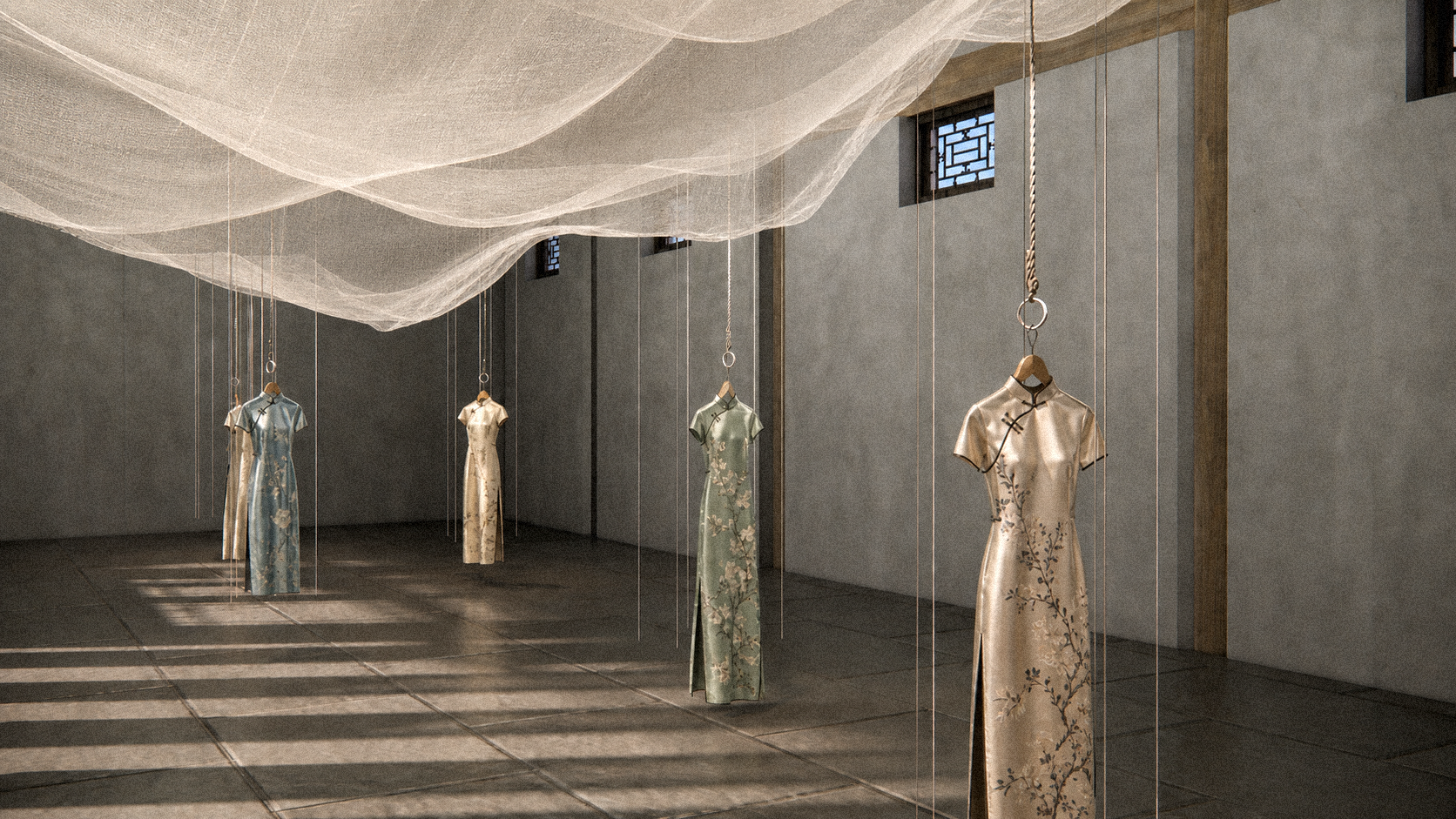
Cocoon
Image
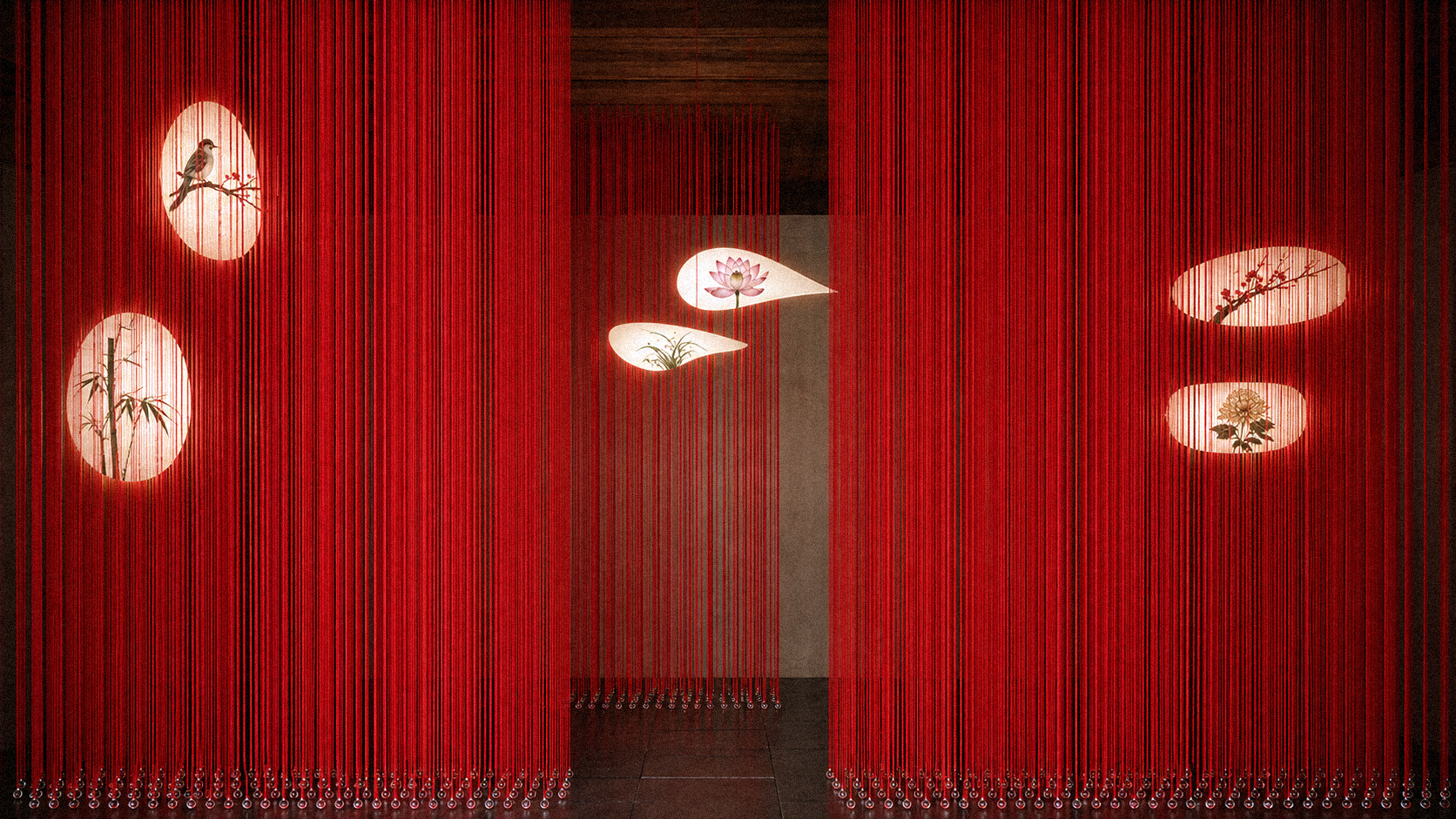
Thread
Image
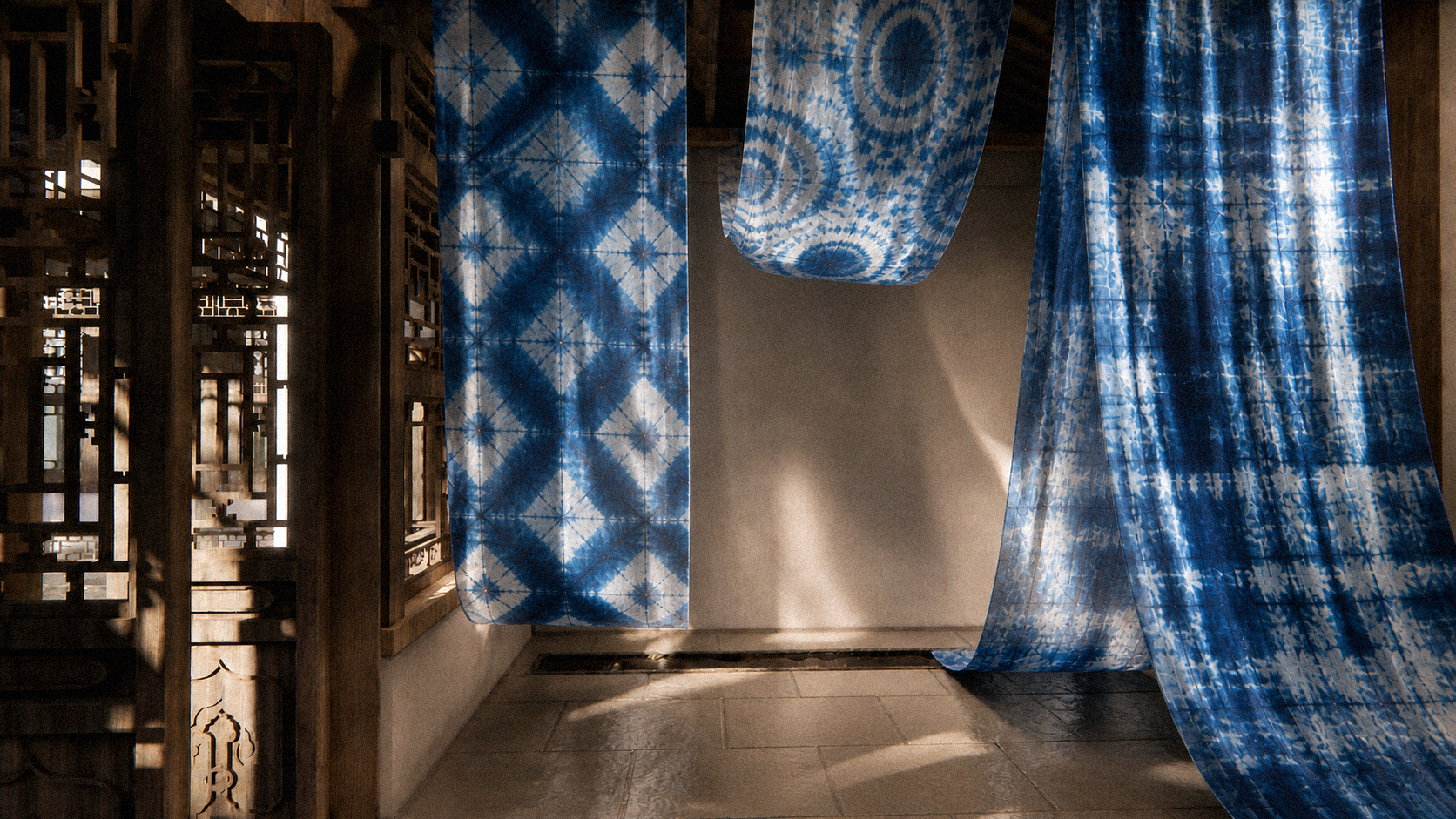
Fabric
Image

Rhode Island School of Design
20 Washington Place
Providence, RI 02913–2784
United States of America
+1 401 454 6100
+1 800 364 RISD
QUICK LINKS
risd.edu
Graduate Studies


Image
Rhode Island School of Design
20 Washington Place
Providence, RI 02913–2784
United States of America
+1 401 454 6100
+1 800 364 RISD