Juhee Cho
MDes Interior Architecture
fallen leaves: the unseen, forgotten presences that live in us
The fallen leaf is a material figure of what has made us and holds us still, beyond our sight, forgotten. In urban environments, fallen leaves are managed as seasonal waste, collected and quickly separated from everyday encounter. Yet within ecological systems, they continue to participate in cycles of regeneration, becoming the soil that sustains new life. This quiet continuation is unusually unavailable to the eye, yet known by the body.
What memory cannot hold, what the mind does not notice, the body sometimes can.
Within Fallen Leaves, leaf-litter is not cleared but here, a place where the body can follow the leaf's slow undoing into ground and remember what the mind has not held. The leaf's transformation is felt not by the mind first but by the hand, in the curling fiber, wearing out, the deepening brown, the scent of slow composting. Through these encounters, an embodied knowing of time emerges: one in which ending and continuation are not opposites but phases of one motion. What we call litter, ending, or absence is presence taking another form.
The proof of every presence that has made, and continues to hold, the presence we are now, is here as fallen leaves and you.
Image
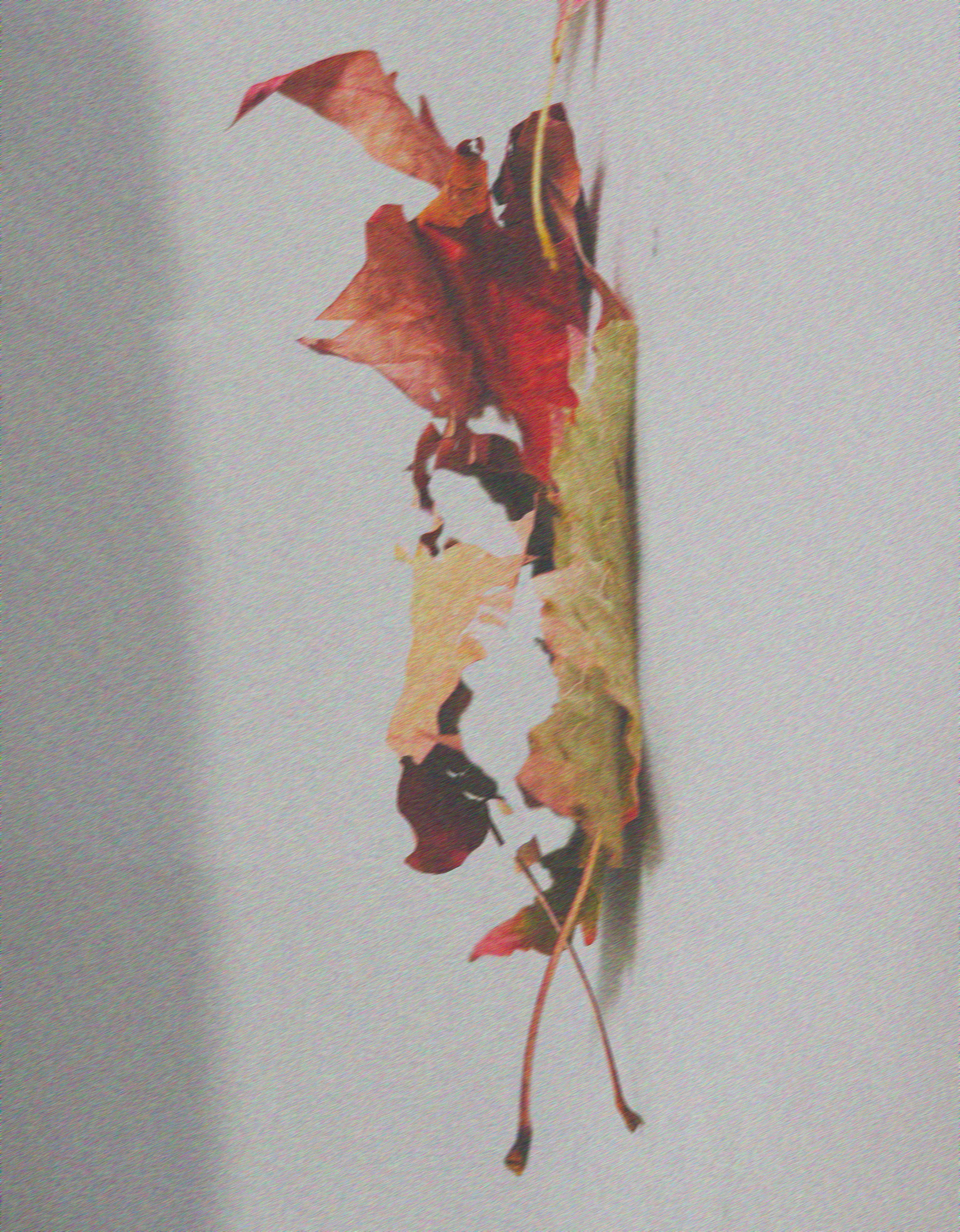
fig 1. holding: fallen leaves.
digital collage. pile of sugar maple leaves.
Video file
fig 2. leaves that wave.
sculpture made with fallen leaf bio-composite. leaf litter from Benefit Street, methylcellulose. charcoal drawing of falling leaf.
Image
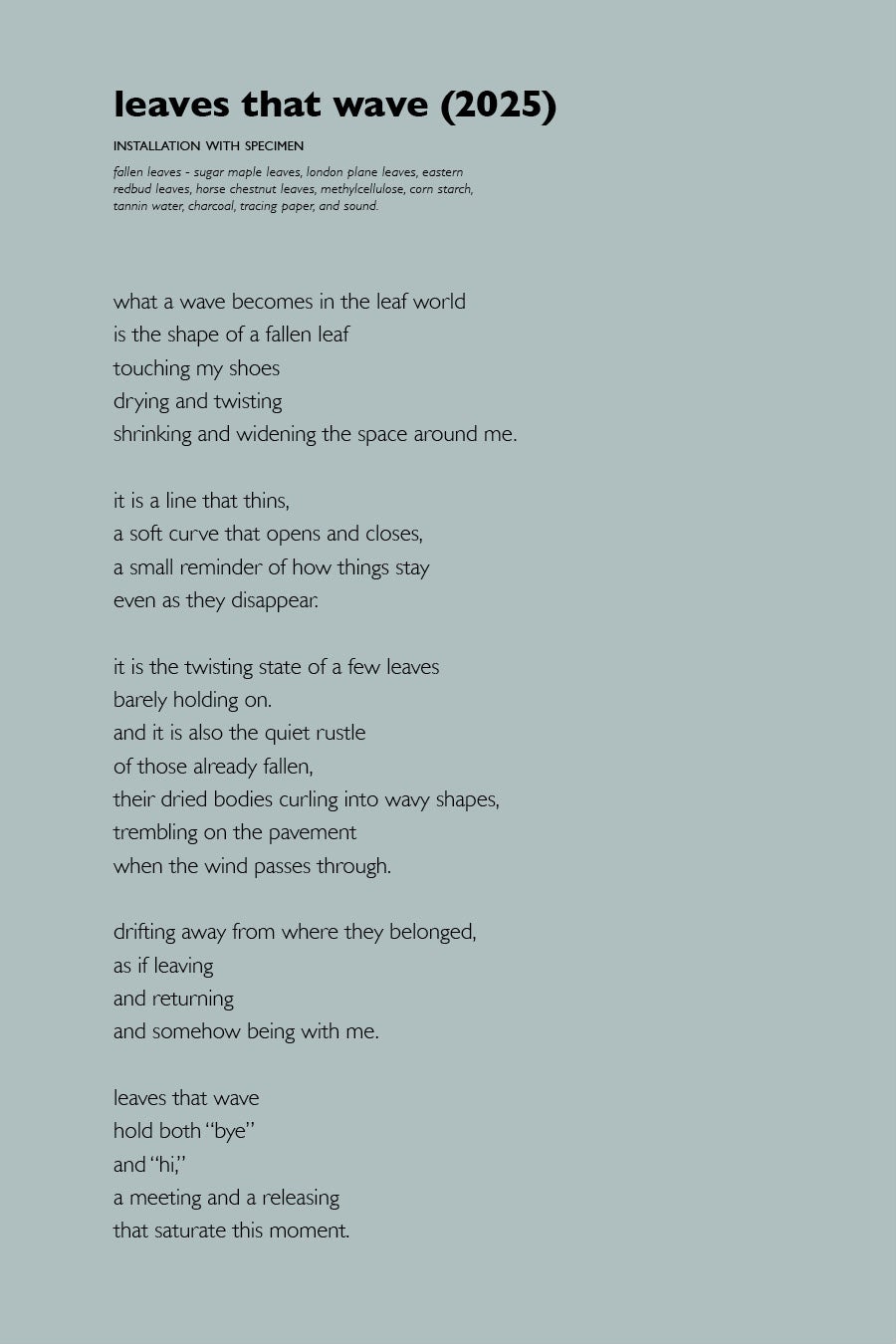
fig 2.1. leaves that wave
2025
poem and heart of the installation in fig 2.
Image
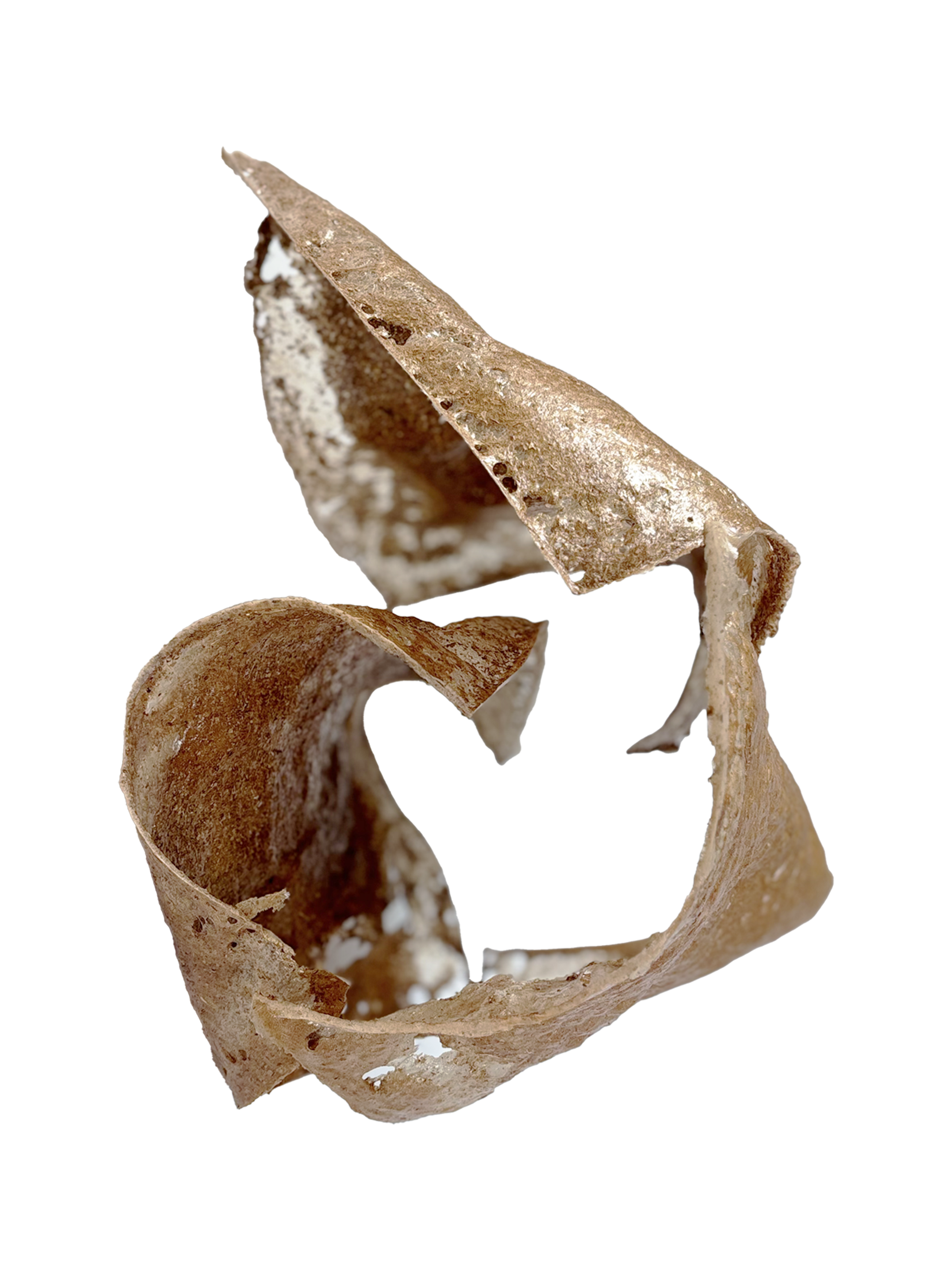
fig 3-1. fallen-leaf-curling.
leaf litter bio-composite.
Image
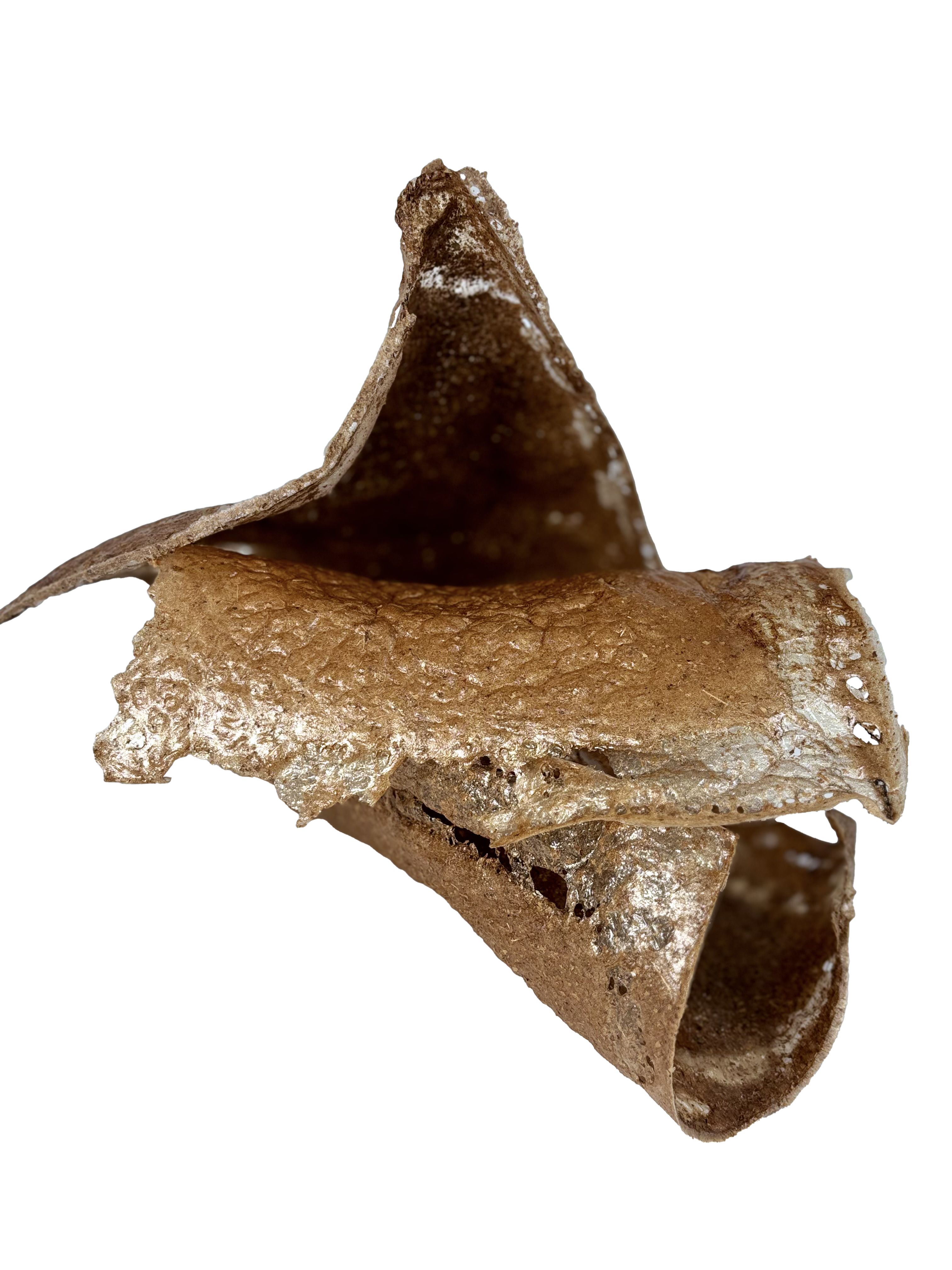
fig 3-2. fallen-leaf-stacking.
leaf litter bio-composite.
Image
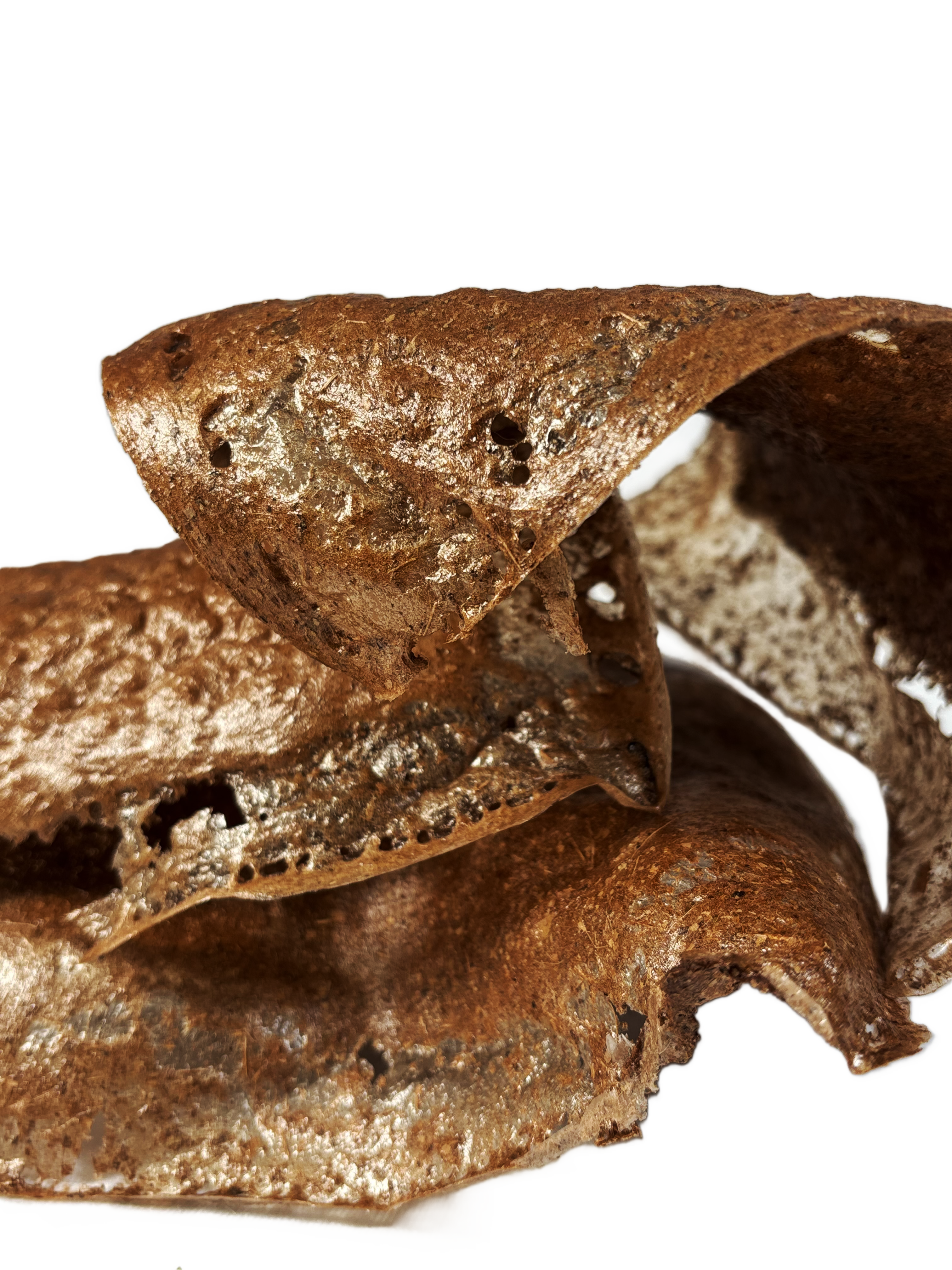
fig 3-3. fallen-leaf-layering.
leaf litter bio-composite.
Image
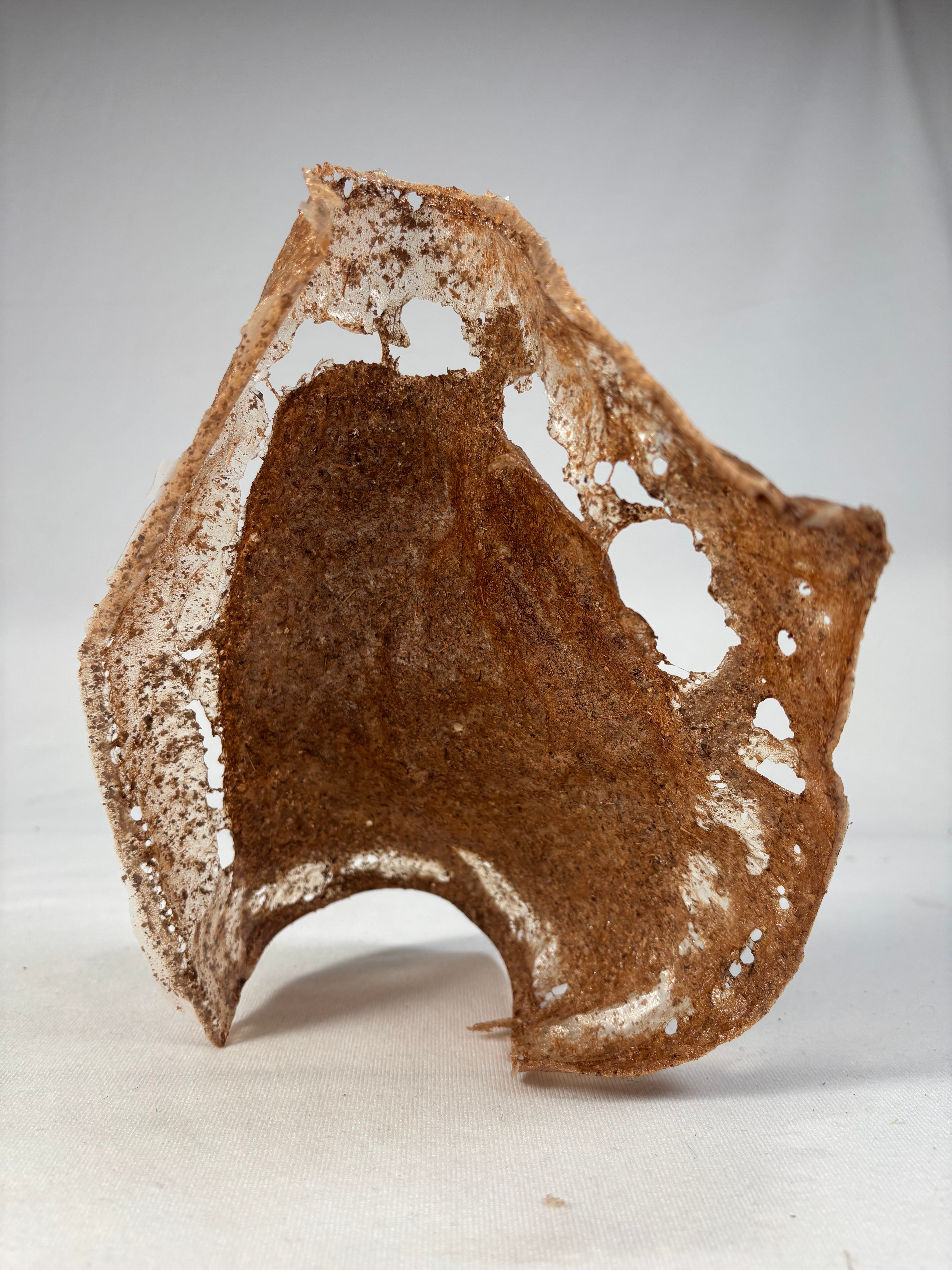
fig 3-4. a sheet of 'fallen-leaf'.
leaf litter bio-composite
Image
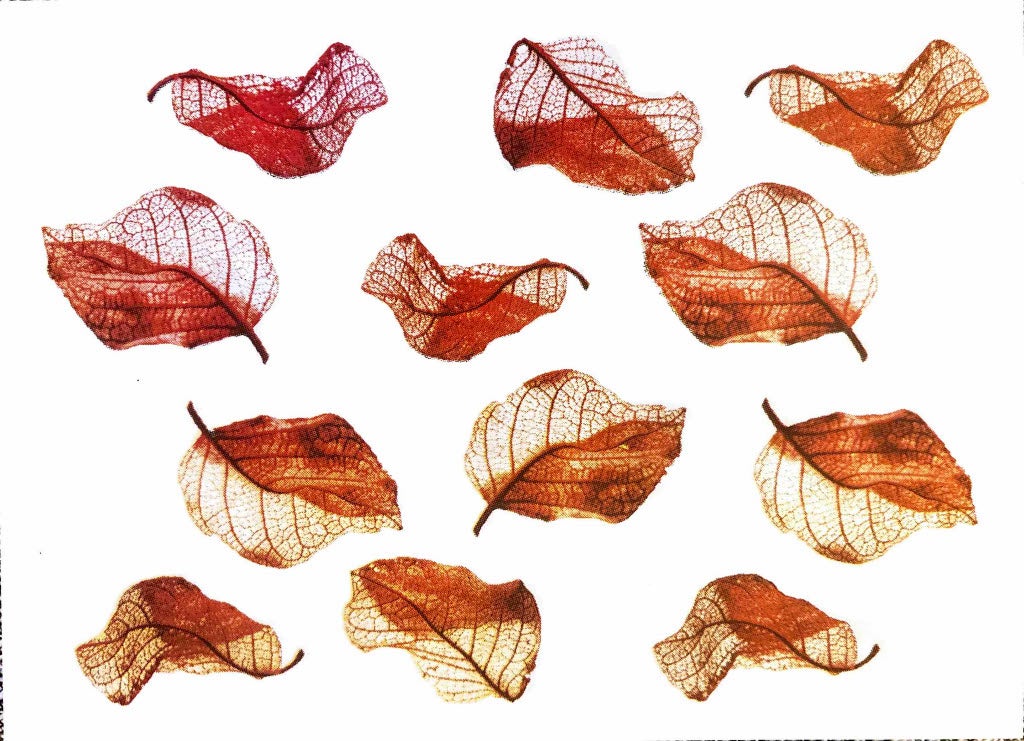
fig 4. falling, curling, to decaying.
silkscreen print on bristol paper.
Image

Rhode Island School of Design
20 Washington Place
Providence, RI 02913–2784
United States of America
+1 401 454 6100
+1 800 364 RISD
QUICK LINKS
risd.edu
Graduate Studies


Image
Rhode Island School of Design
20 Washington Place
Providence, RI 02913–2784
United States of America
+1 401 454 6100
+1 800 364 RISD