Katherine Fu
MA Teaching + Learning in Art + Design
Hand and Mind Lead to Life: Craft Pedagogy in Art Education for Older Adolescent Learners
Art educator Jo-Anna Moore (1991) asks, “What is the purpose of our individual growth through art or craft?” (p. 162). Moore’s question is daunting not least for the seasoned artist, but for the young people in our art classrooms who, to varying degrees, are or are not interested in art. This thesis draws from my personal narrative as an older adolescent whose introduction to craft helped me navigate great questions of identity, belonging, and motivation. It seeks to discover how craft can become a method of teaching art to all students, and in particular, how such a pedagogy addresses the developmental needs of older adolescent students. Through a phenomenological analysis of student and instructor testimonies on their experiences with craft, common and emergent themes point towards a three-pronged craft pedagogy centered on an awareness of material, equal community, and personal agency. These findings guide suggestions for secondary educators looking to explore and incorporate craft pedagogy in the classroom and point to the possibility for craft to help students cultivate their individual and shared worlds.
Image
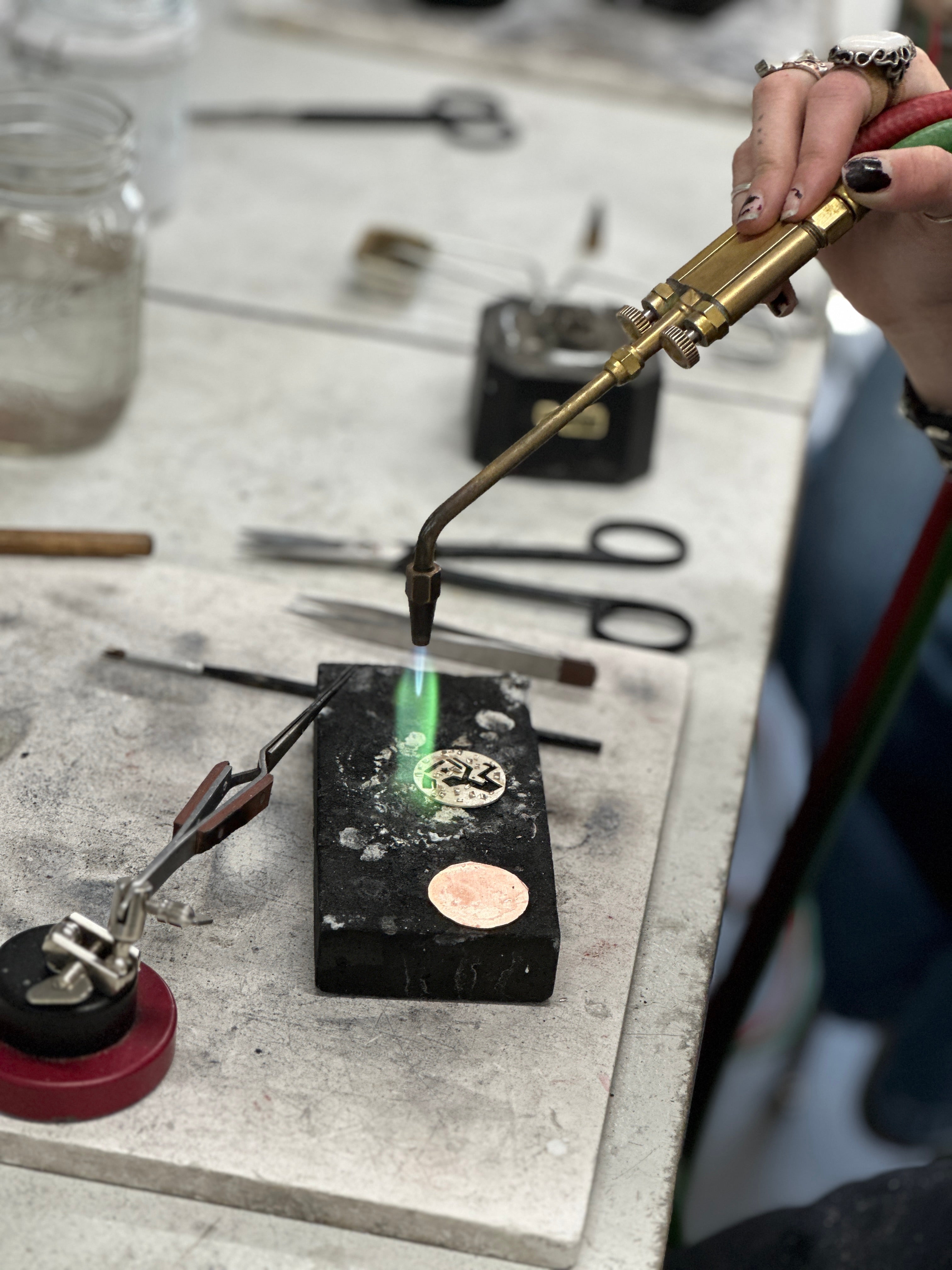
Student Working on Jewelry Piece
2025
Image

The Doing Thing
2025
Prismacolor pencils
Image
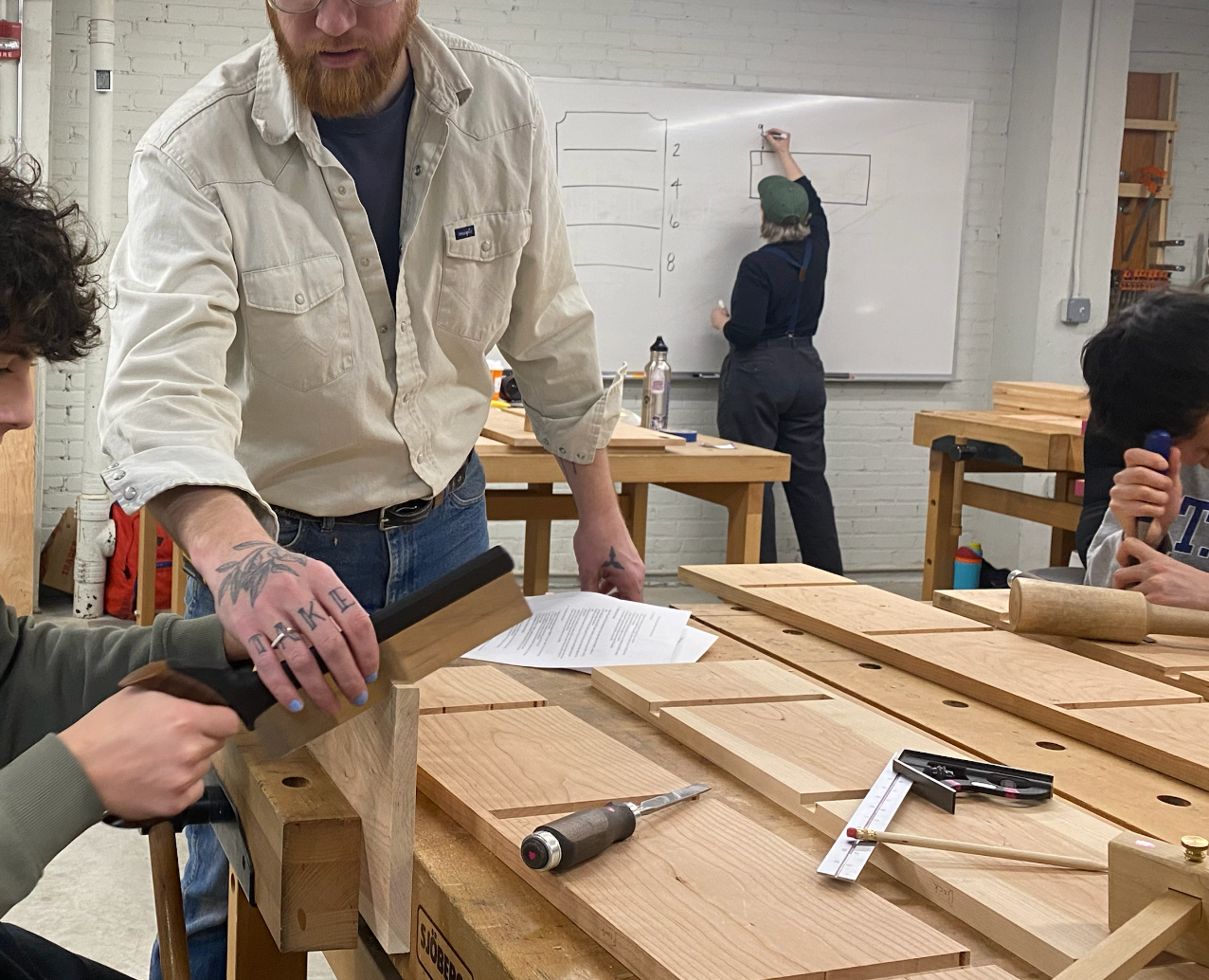
Instructor Aiding a Student with a Cross Cut at the Teen Craft & Trade Intensive
2026
Image
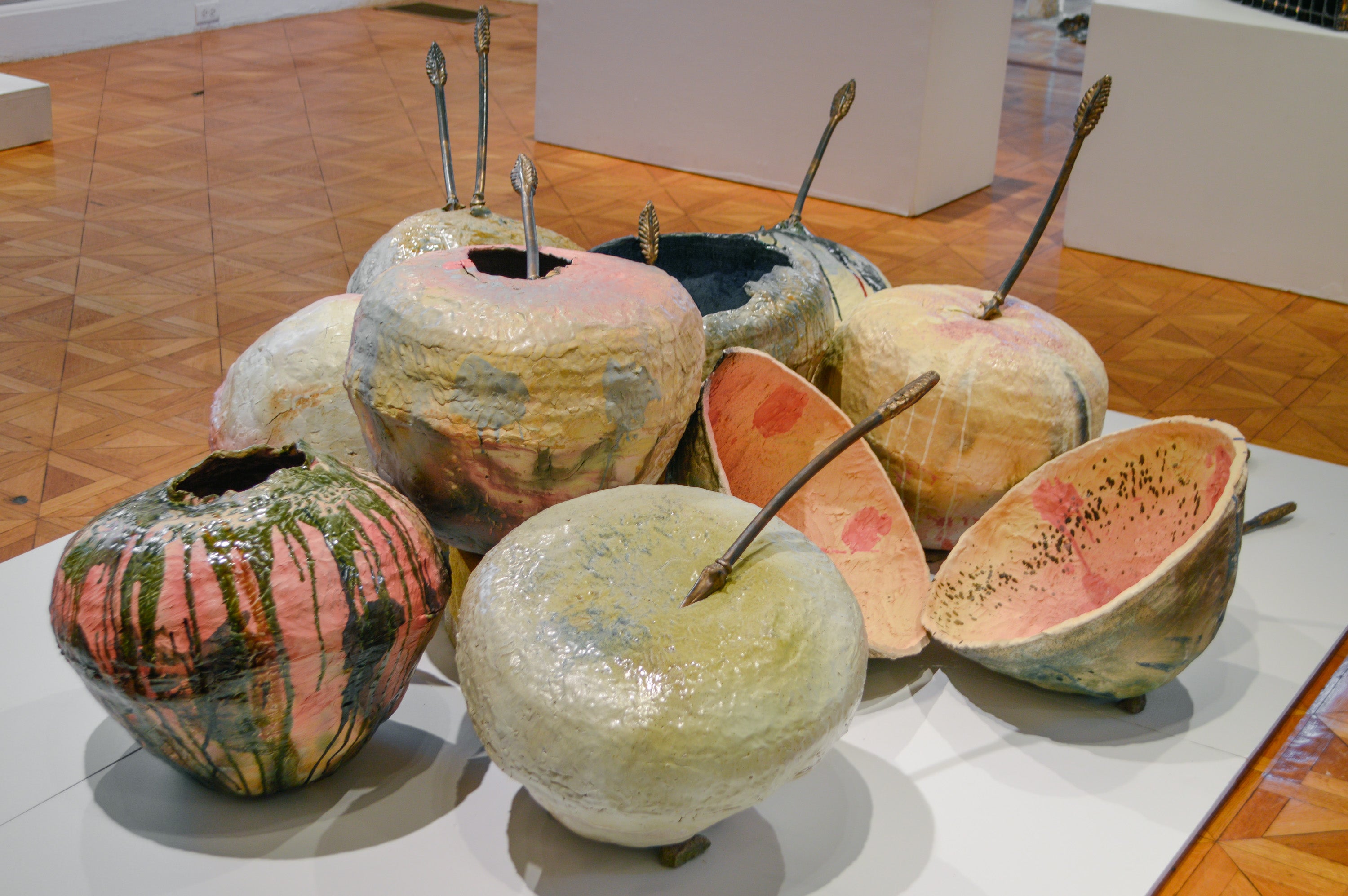
Diorama For
2025
Woodfired stoneware, glazed press-molded and hand-built stoneware with porcelain slip, high fire wire, rocks, bricks
Image
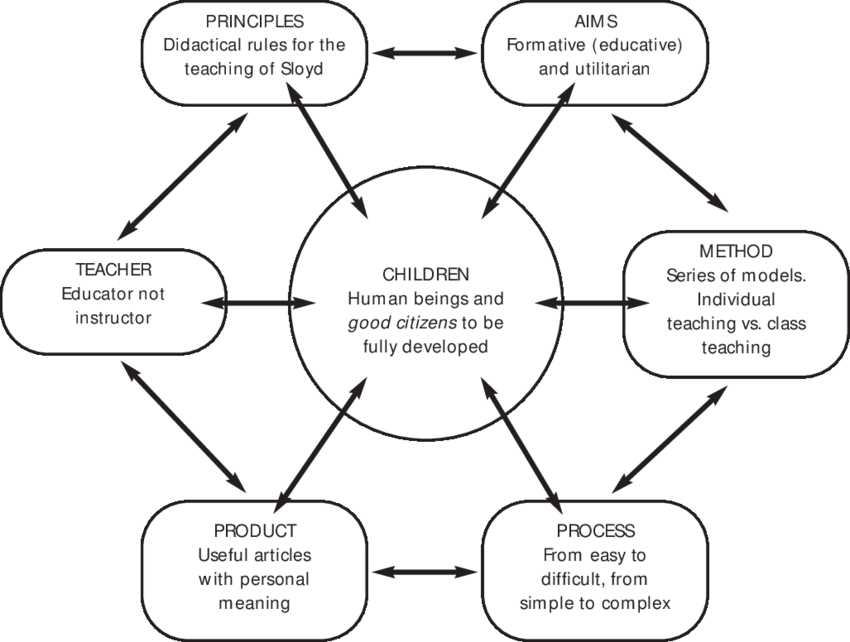
Didactic diagram of Salomon’s Sloyd system from Moreno, 1998, as cited in Olafsson & Thorsteinsson, 2012, p. 5.
Image
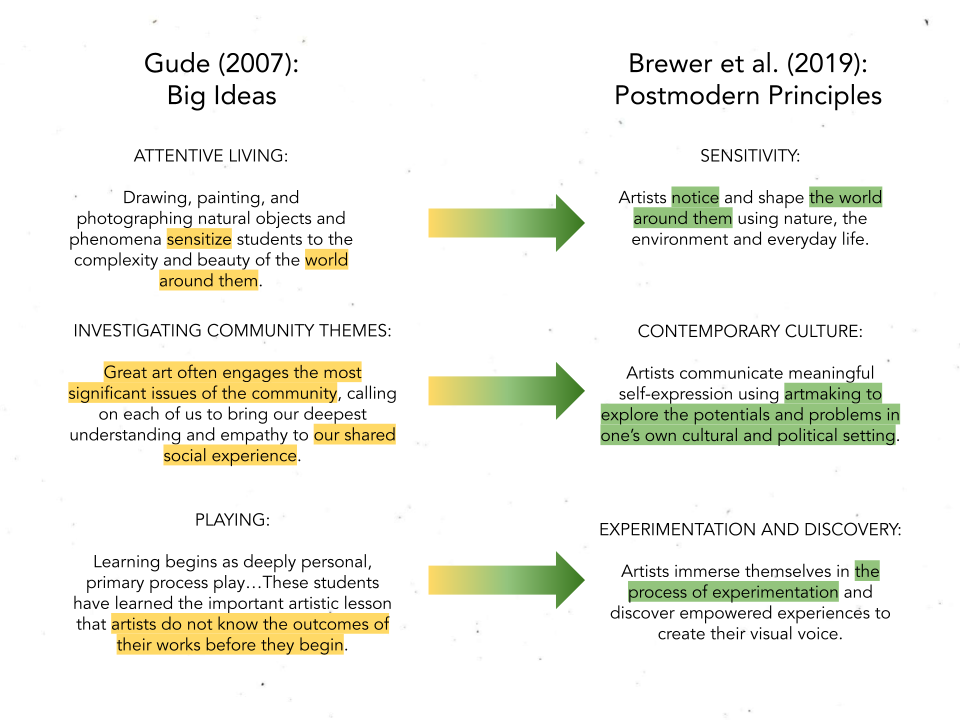
Garnet Valley School District Visual Art Department Adaptation of Gude’s (2007) Big Ideas
Image

Rhode Island School of Design
20 Washington Place
Providence, RI 02913–2784
United States of America
+1 401 454 6100
+1 800 364 RISD
QUICK LINKS
risd.edu
Graduate Studies


Image
Rhode Island School of Design
20 Washington Place
Providence, RI 02913–2784
United States of America
+1 401 454 6100
+1 800 364 RISD