Lancelot Li
MArch Architecture
Edge of Shade
Edge of Shade explores how constructed and natural shadows shape the experience of public space. The project translates spatial qualities from classical Chinese gardens—narrow passages, layered thresholds, framed views, and shifting degrees of shade—into overlooked urban gaps, where shadow becomes something to move through, pause within, and gather around.
The design uses lightweight wooden modules to create different degrees of shade, from dense and enclosed to open and exploratory. Gridded roof frames, vertical screens, fabric veils, and ground platforms cast ordered shadows that overlap with the softer, changing shadows of the surroundings. Together, they create a spatial sequence where shade thickens, opens, and shifts with the body’s movement.
Movable and reconfigurable, the modules can adapt to different seasons, site conditions, and program needs. Rather than designing a fixed pavilion, Edge of Shade proposes a prototype that transforms urban gaps into shaded settings for comfort and acts of public life.
Image
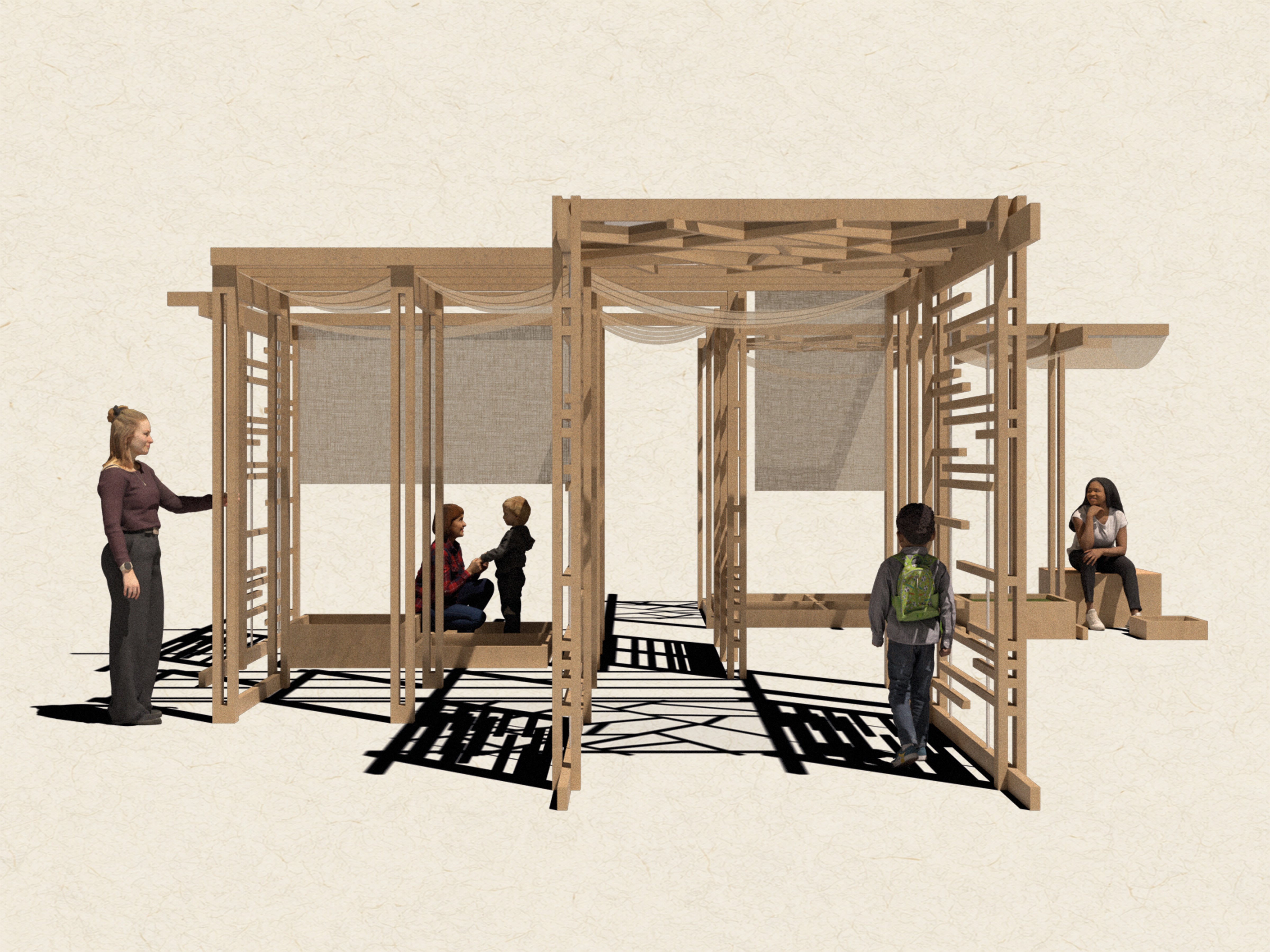
Details of the wooden structure. Behaviors to be anticipated. Shadow of the module on a summer afternoon.
Image
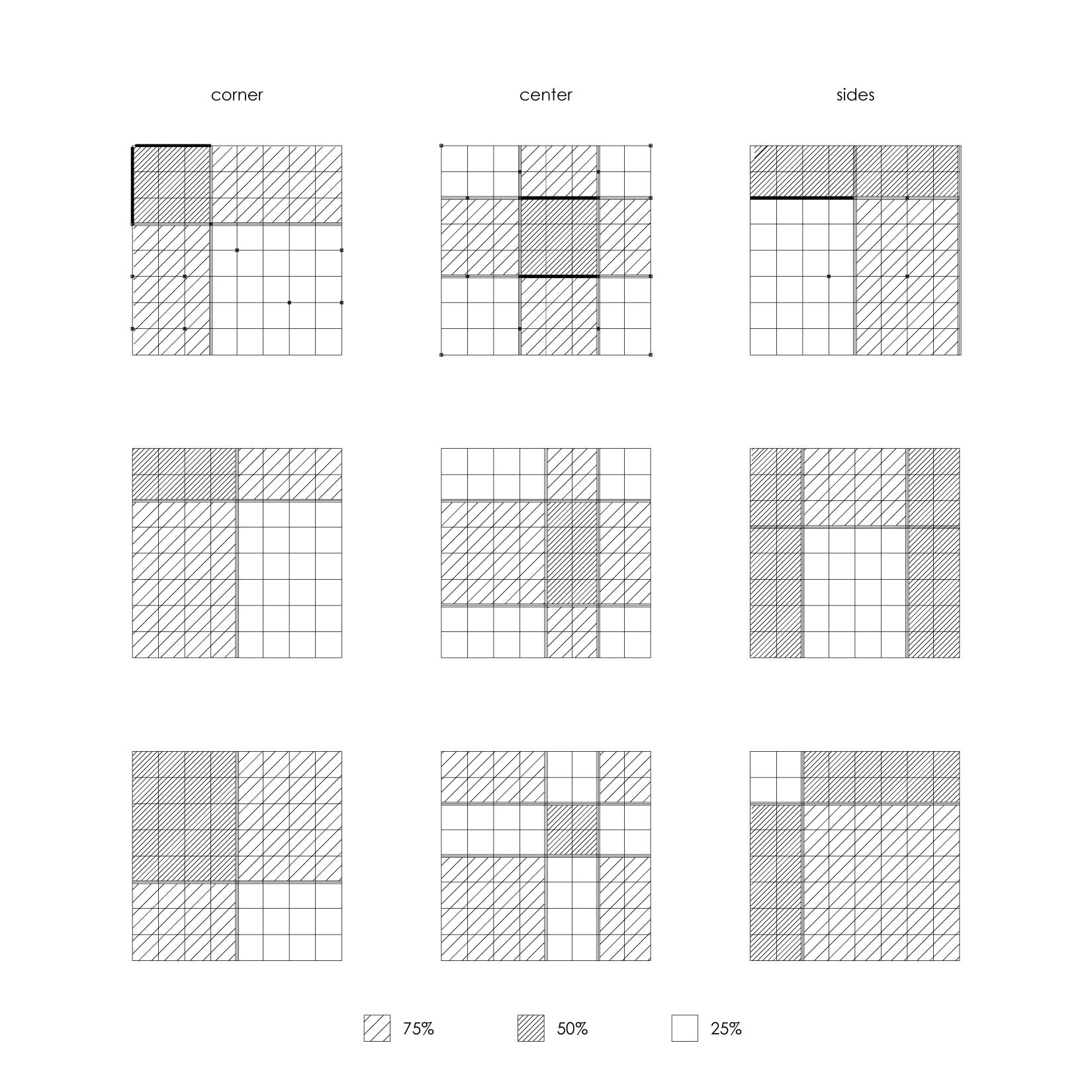
The 3 types of modules, divided by levels of shadow and ways of combinations.
Image
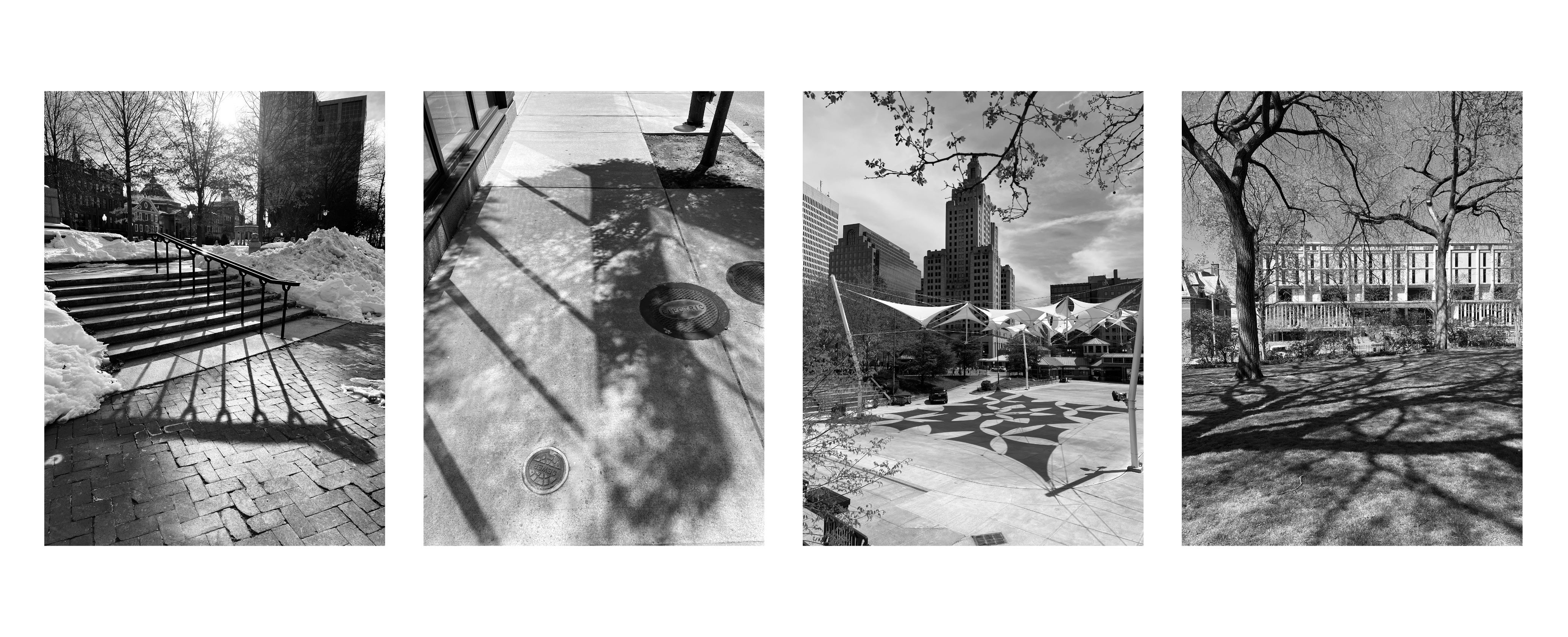
Walked around the city and documented shadows that surprised or felt cozy. Some combinations creates a reason to stay; some just good for photo.
Image
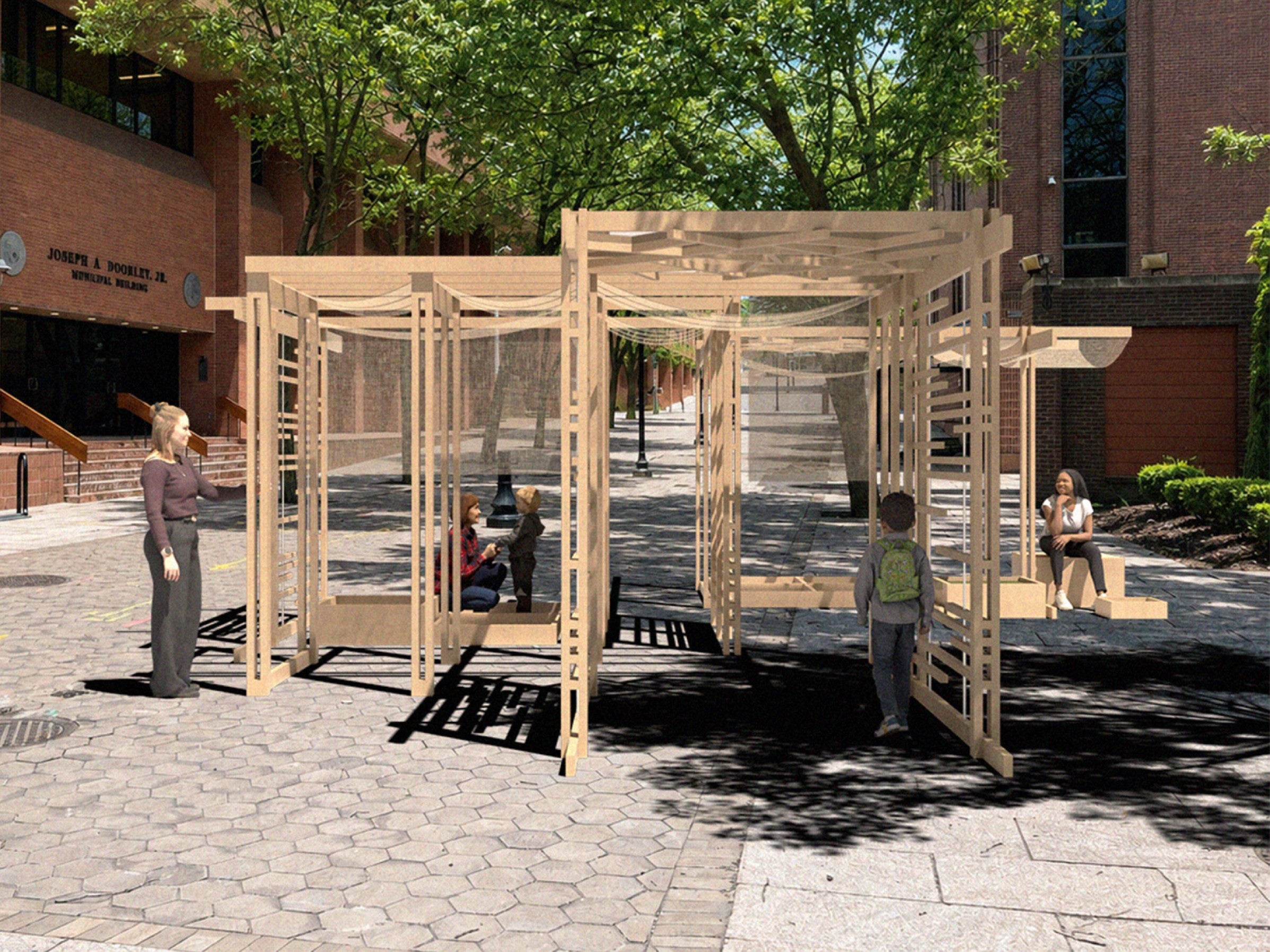
Render of the prototype blended into one of the sites. Module intersect with the edge of shadows at the site.
Image

Rhode Island School of Design
20 Washington Place
Providence, RI 02913–2784
United States of America
+1 401 454 6100
+1 800 364 RISD
QUICK LINKS
risd.edu
Graduate Studies


Image
Rhode Island School of Design
20 Washington Place
Providence, RI 02913–2784
United States of America
+1 401 454 6100
+1 800 364 RISD