Nawal Urooj
MDes Interior Architecture
Breathing structures: Hygroscopicity of fibers
Cities like Singapore, Mumbai, Karachi, and regions of Ghana experience persistently hot and humid climates. In these regions, humidity in built environments significantly affects both human comfort and the durability of building materials. Yet traditional mechanical dehumidification strategies are energy-intensive,environmentally taxing, and socially uneven in their accessibility. We must challenge the existing systems for thermal comfort, the inefficient role Architecture plays in it, and the socio-economic politics associated with thermal comfort in developing countries.
Karachi, a coastal city in the south of Pakistan, has extremely high relative humidity and high temperatures throughout most of the year. In this region, contemporary architecture does not respond to the climate; instead, it creates suffocating conditions inside built environments. In response, I investigate the use of waste plant fibers along with other materials such as lime, clay, and biochar to make hygroscopic bio-composites for passive dehumidification. Through extensive material experimentation, several bio-composite samples were created and tested for various properties, culminating in a catalogue of architectural and interior applications. These low-energy, hygroscopic bio-composites can be deployed to modulate humidity in built environments and set a precedent for other regions experiencing similar conditions and challenges.
Image
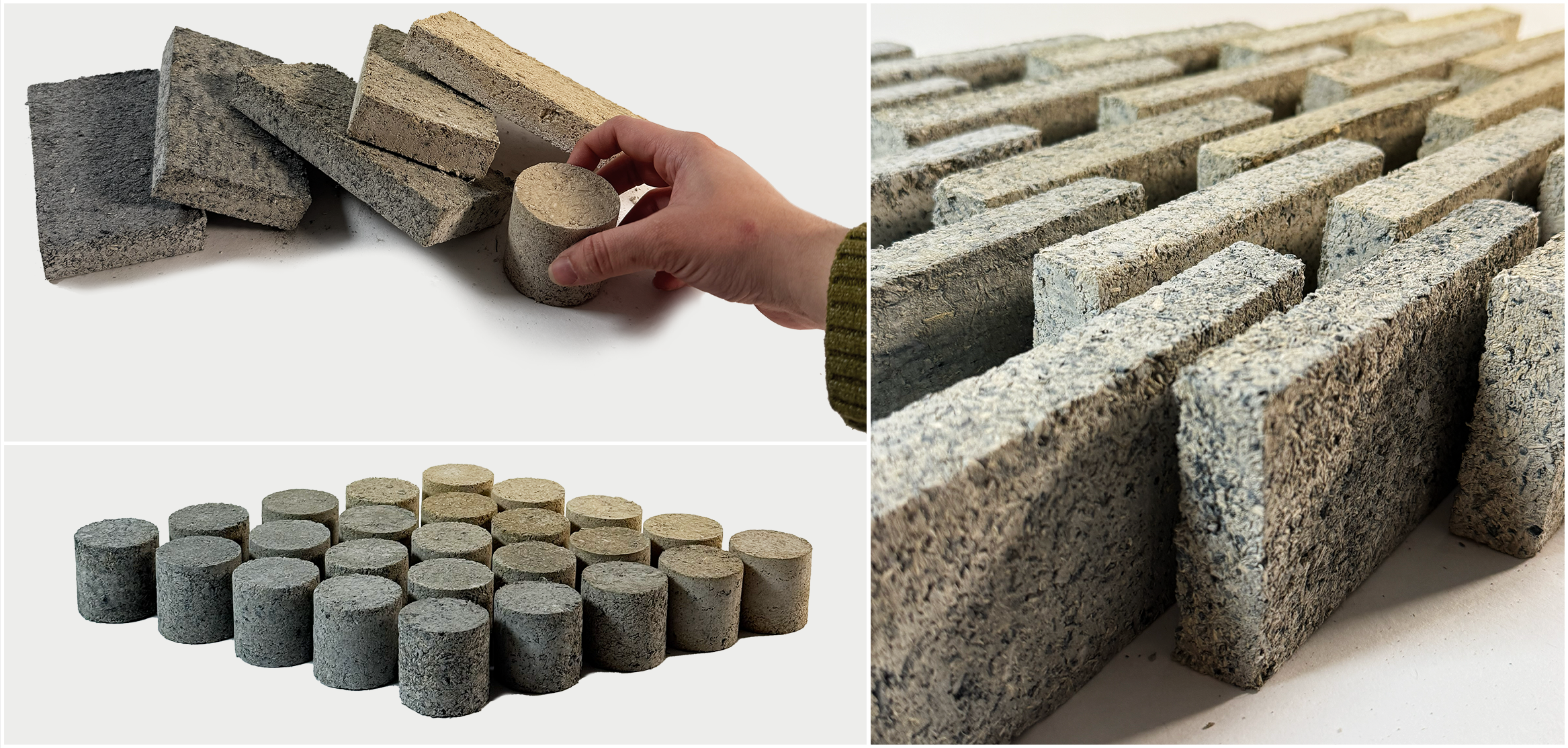
Material composite samples
These samples were created with different ratios of clay, lime, Biochar, and ground hemp fiber. The 3"x6" samples were created for Instron flexure testing, and 2" diameter cylinders were created for Instron compression testing. The test results would inform potential applications of the created materials.
Image
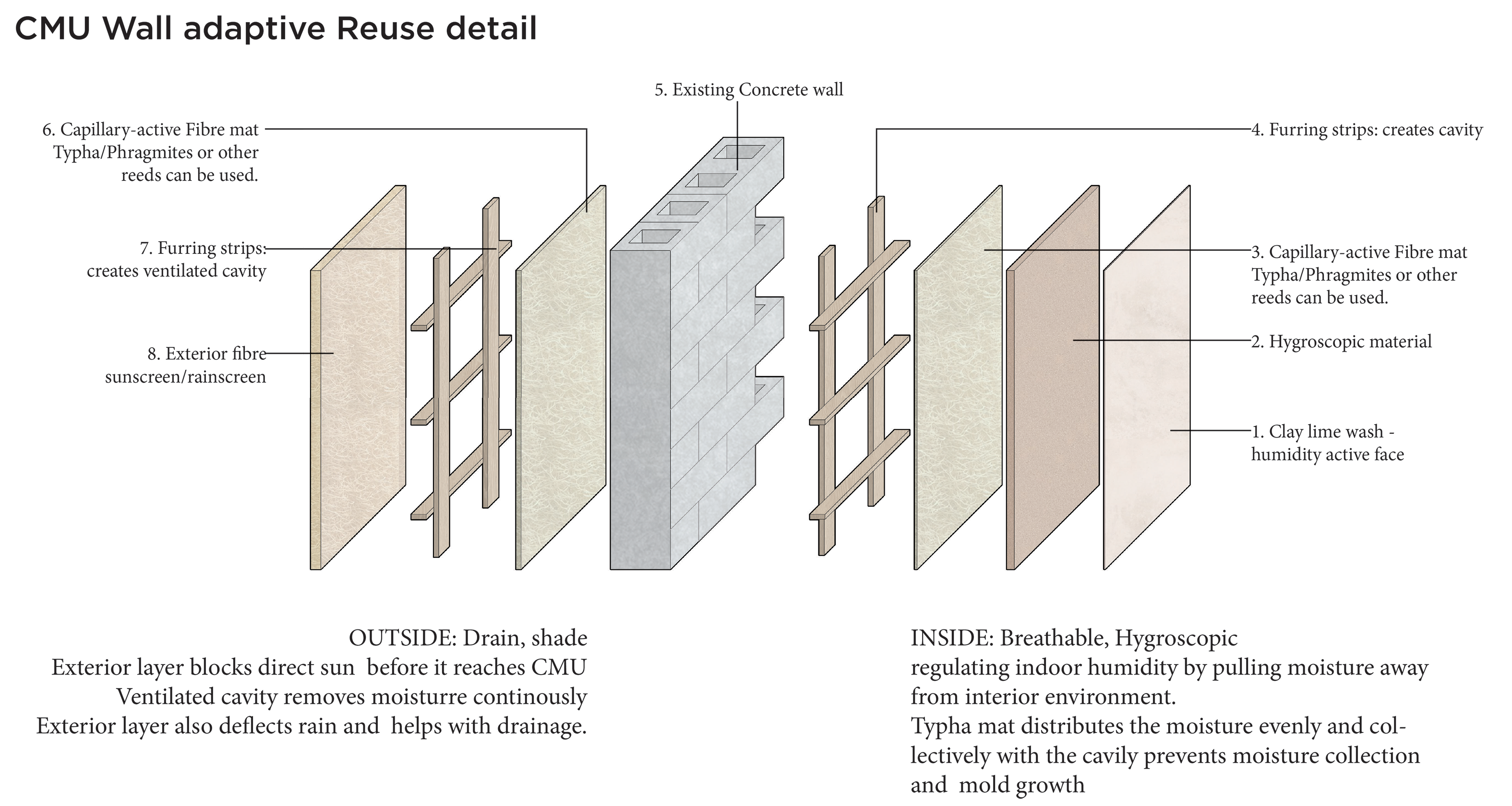
The diagram represents Adaptive reuse of existing CMU walls. It shows how the created hygroscopic material can be applied to an existing CMU wall to keep it vapor-open, helping to passively modulate humidity in the built environment.
Image
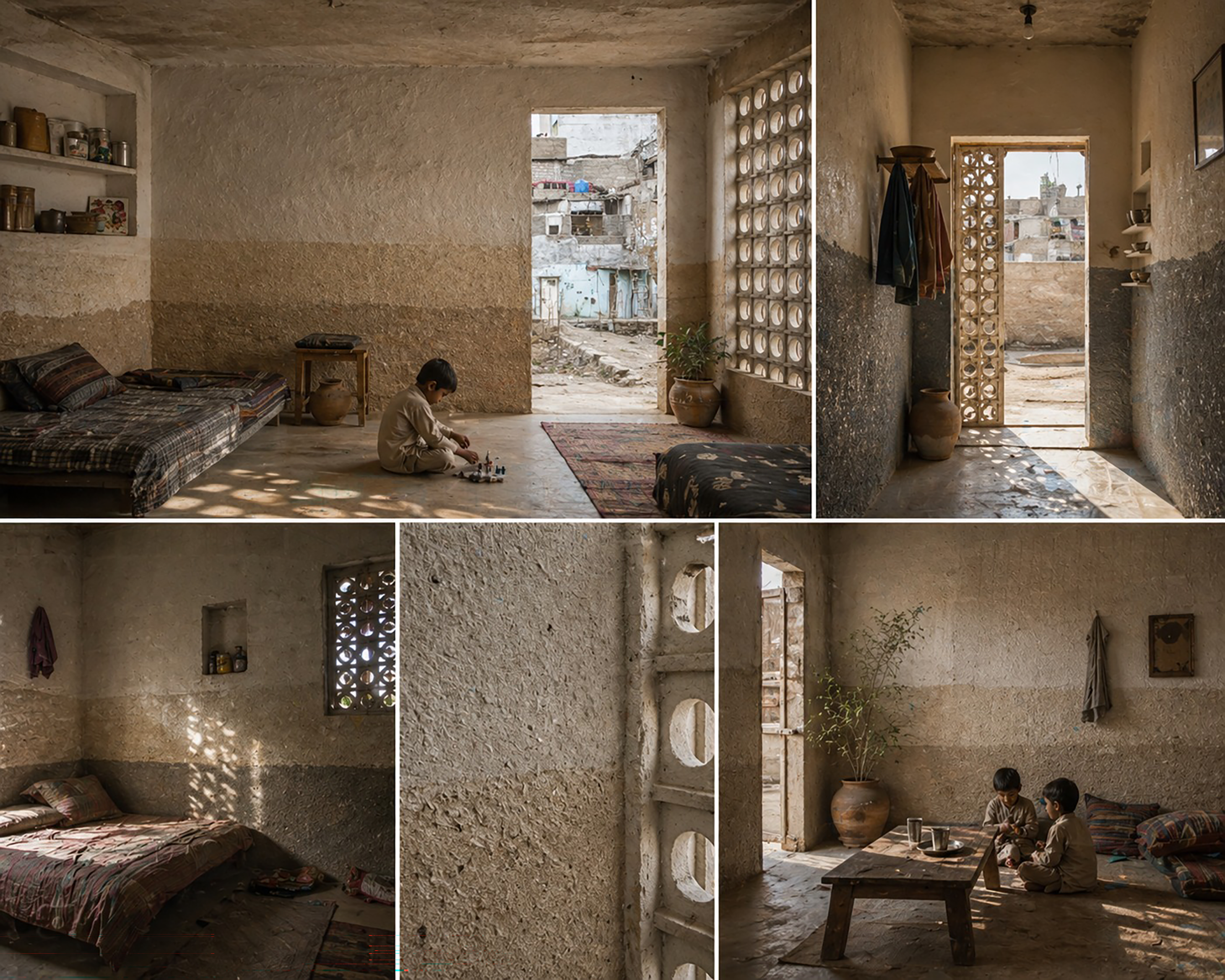
Render showing the created materials being used in building typologies found in the slums of Karachi, Pakistan.
Image
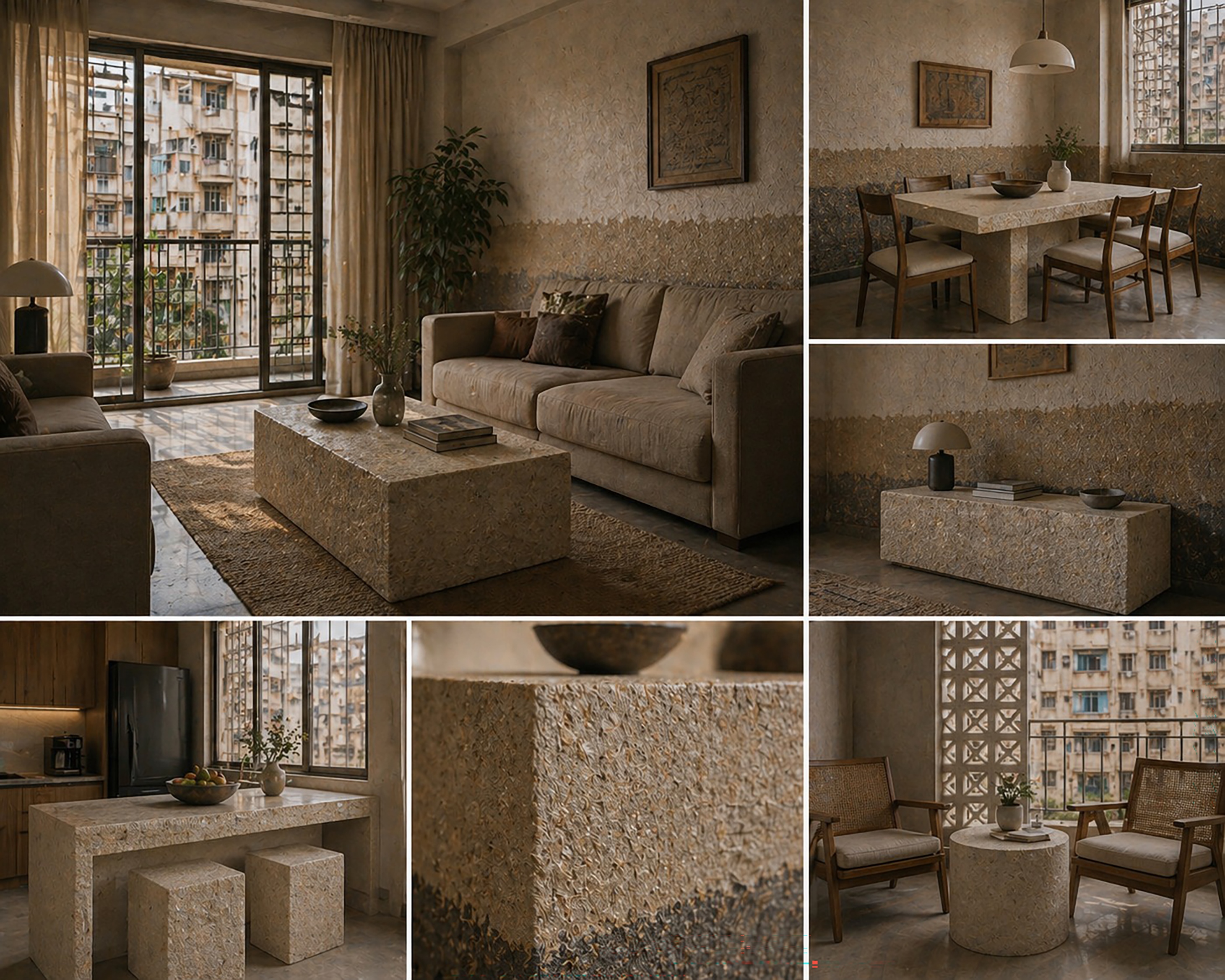
Renders showing the created materials being used in building typologies found in working-class neighborhoods in Karachi, Pakistan.
Image
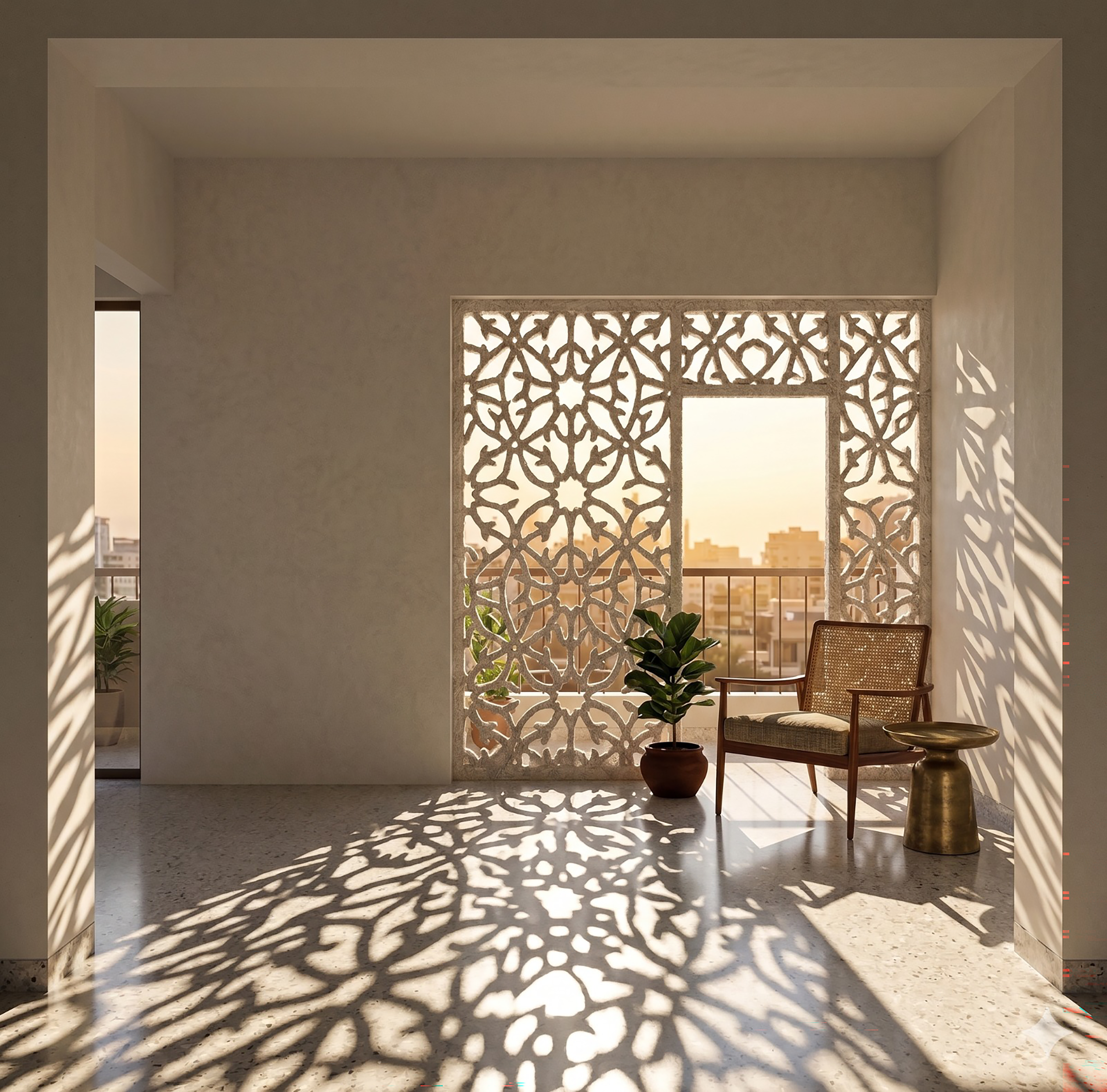
Renders showing the created materials being used in building typologies found in affluent areas of Karachi, Pakistan.
Image
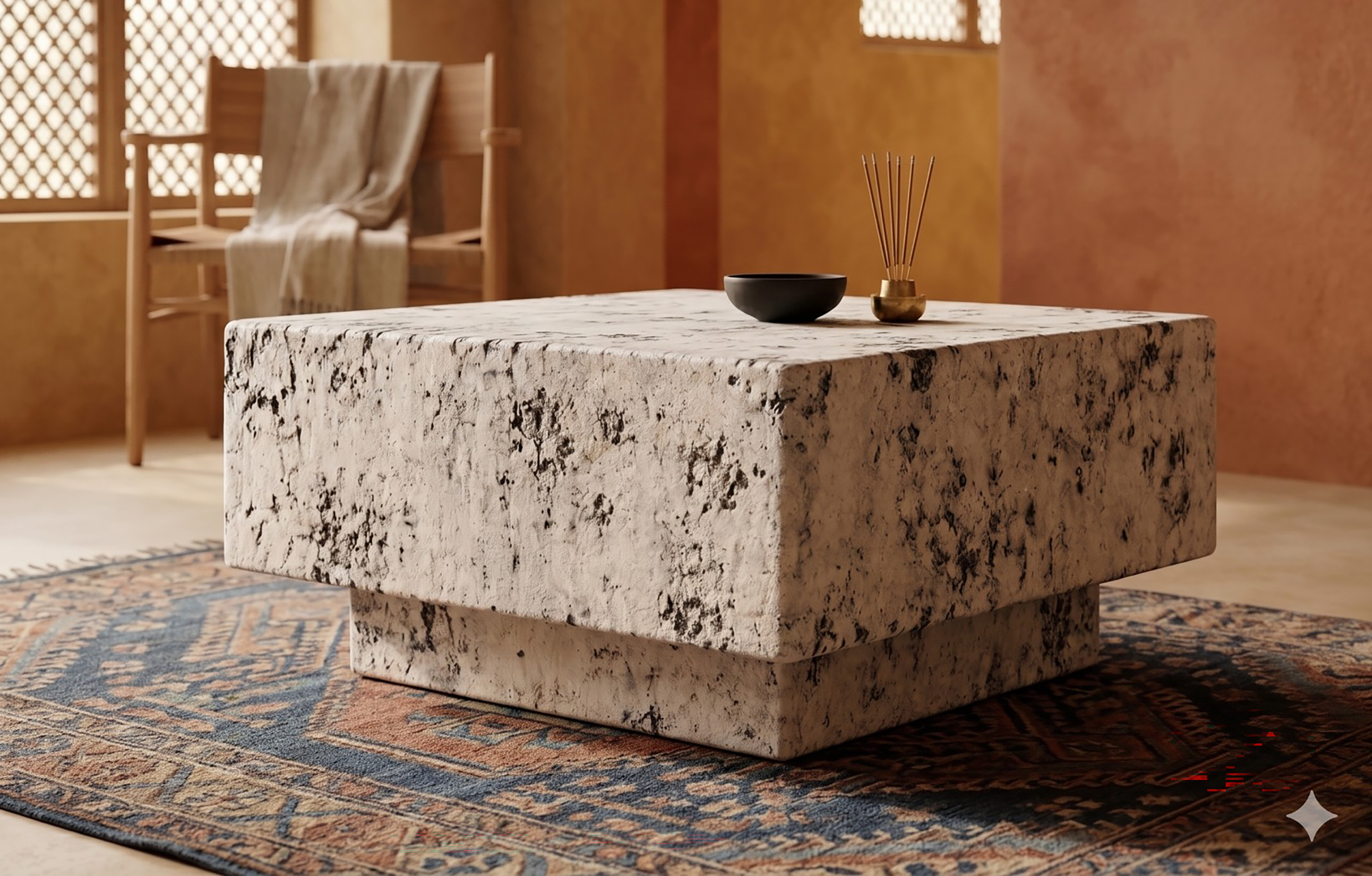
Render showing a created material composite being used in a furniture piece.
Image

Rhode Island School of Design
20 Washington Place
Providence, RI 02913–2784
United States of America
+1 401 454 6100
+1 800 364 RISD
QUICK LINKS
risd.edu
Graduate Studies


Image
Rhode Island School of Design
20 Washington Place
Providence, RI 02913–2784
United States of America
+1 401 454 6100
+1 800 364 RISD