rhea hu
MFA Illustration
Finding the Estuary
I have been building a ship since November of last year.
It is half a hull, modeled on the flat-bottomed Chinese fuchuan, built from salvaged timber taken off an old boat. Its joints are sealed with carpenter's glue and fastened with copper nails. It is nailed to the wall. Above the frame: natural rattan, woven and wound, covered in white mulberry paper from my hometown of Wenzhou, which trembles slightly in the movement of air. Below: a rope, soaked in seawater and weathered by sun and wind, attached to a ninety-pound iron anchor that rusted in an open field all winter.
I knew nothing about boatbuilding when I began. I placed a bet that my ignorance would be honest enough to invite a conversation, that the gaps in my knowledge would become the gaps in the work, and that those gaps would read as an invitation rather than a failure.
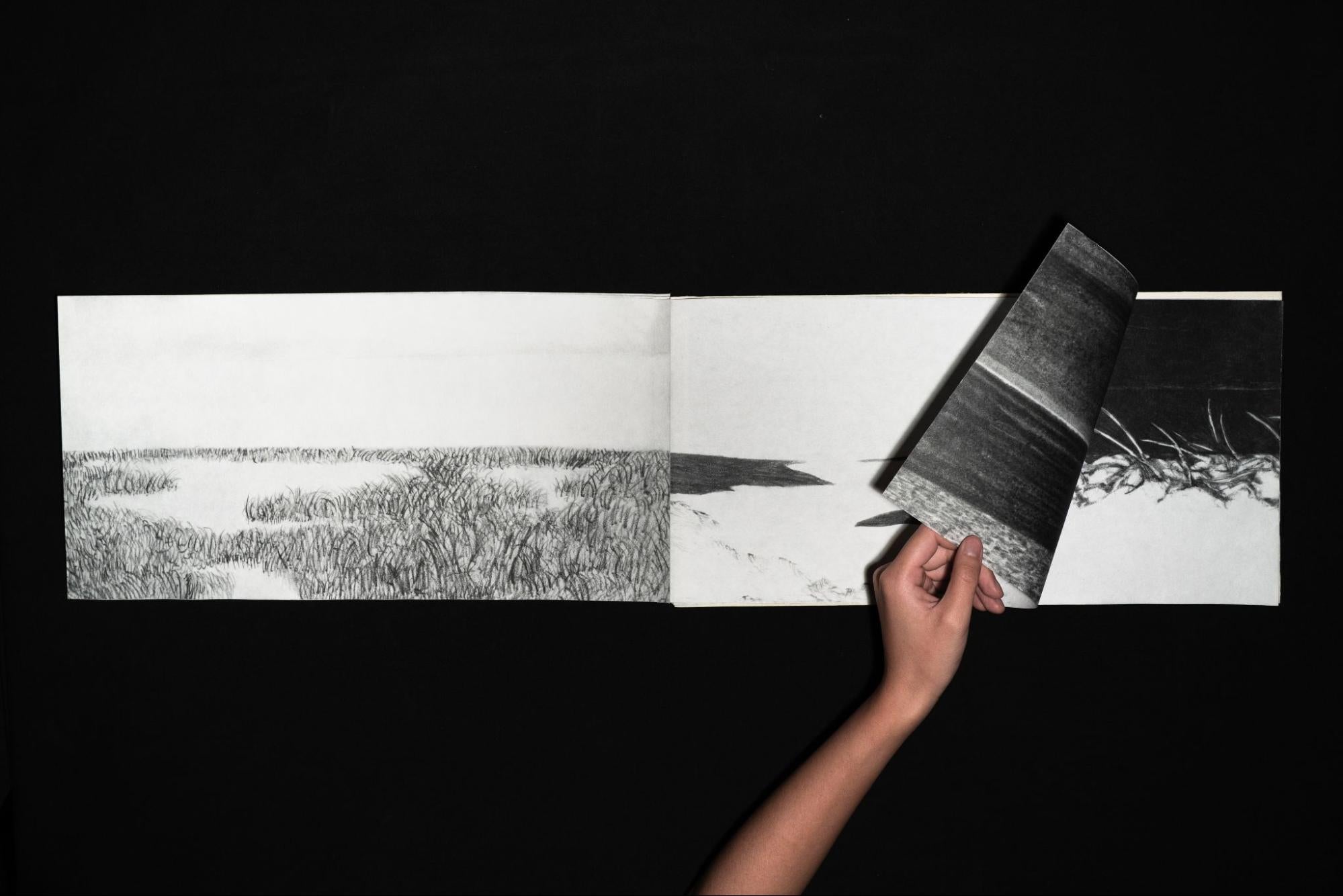
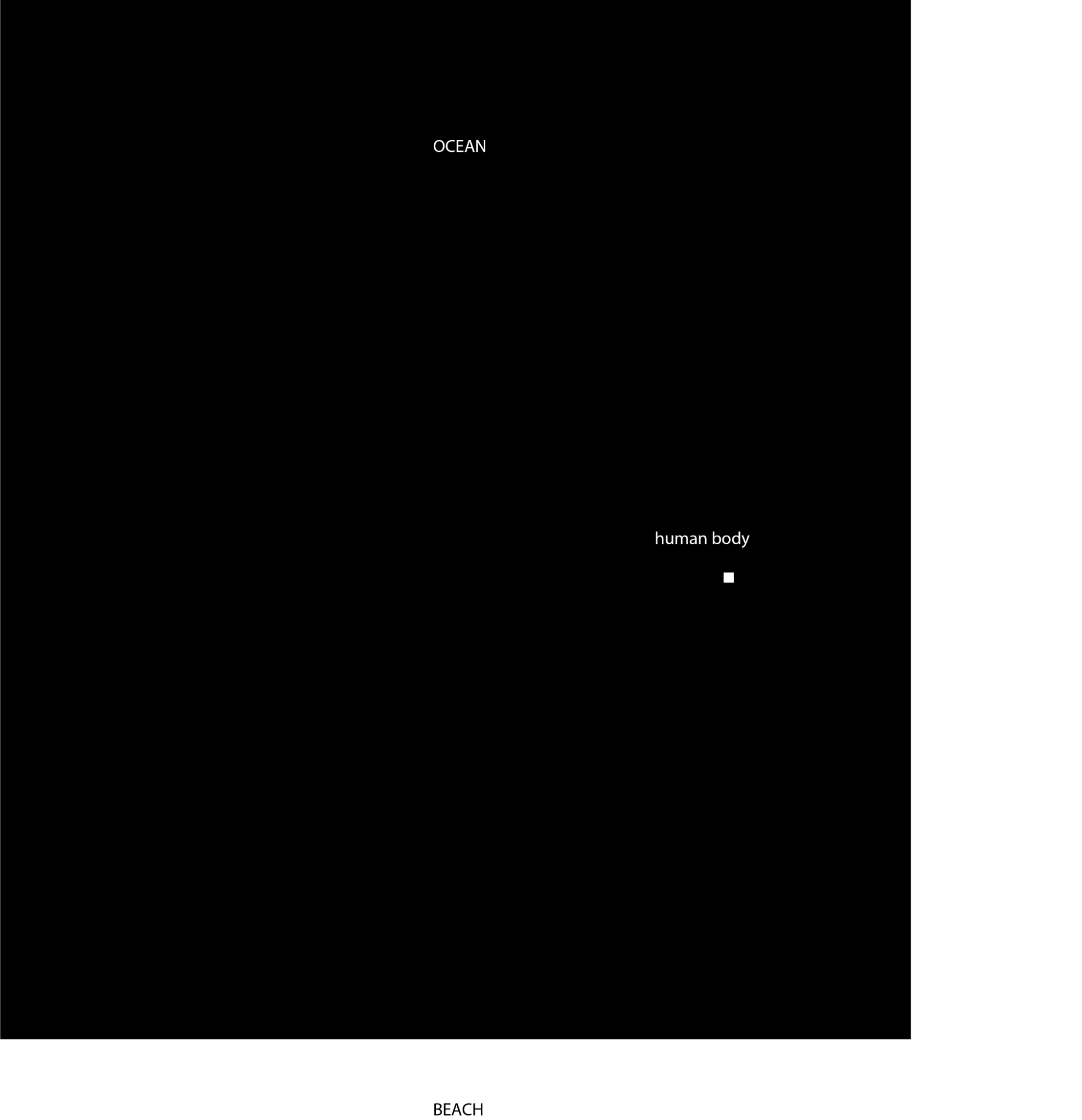
I grew up where the Ou River meets the East China Sea. Between every pair of opposites, there is a grey zone. What I want is not only to mark that zone, to show how beautiful ambiguity can be, but to bring people through it. Not a map, not a record, but something that does not simply carry the viewer across distance, but folds them into the experience, makes them briefly willing to be somewhere else.
Image
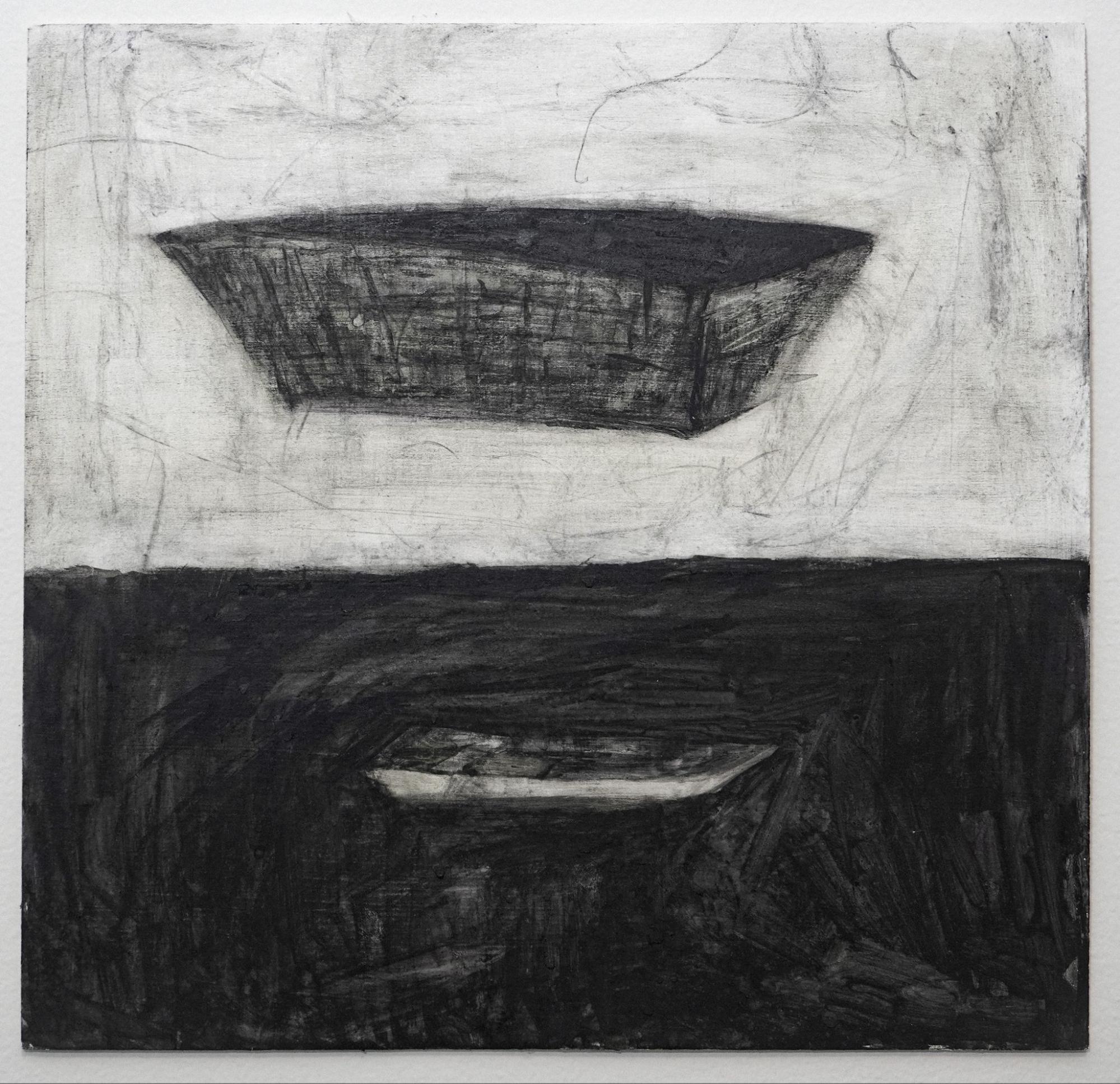
Finding the Estuary
2026
Charcoal on wooden board
Image
Image
Image
Image
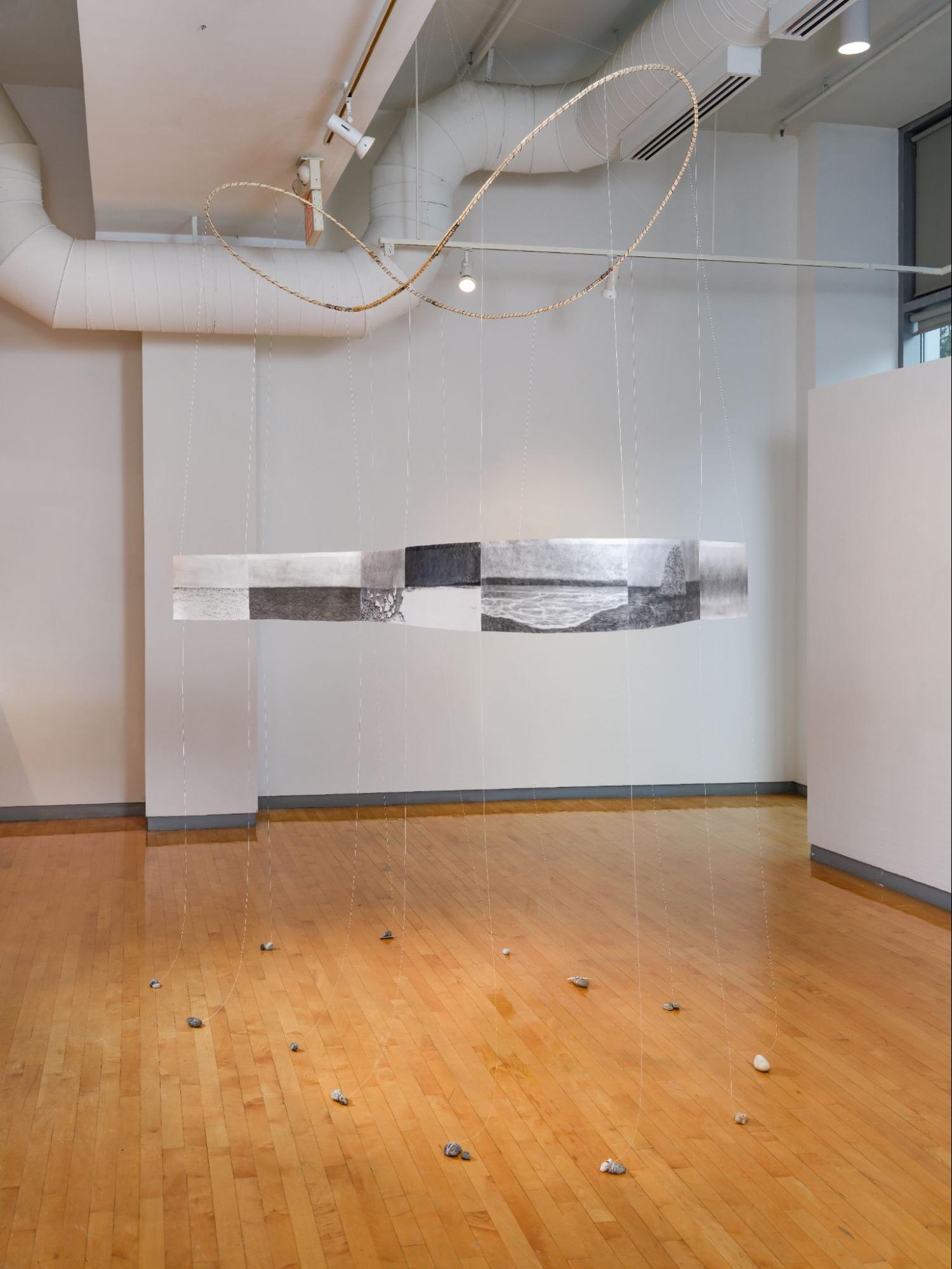
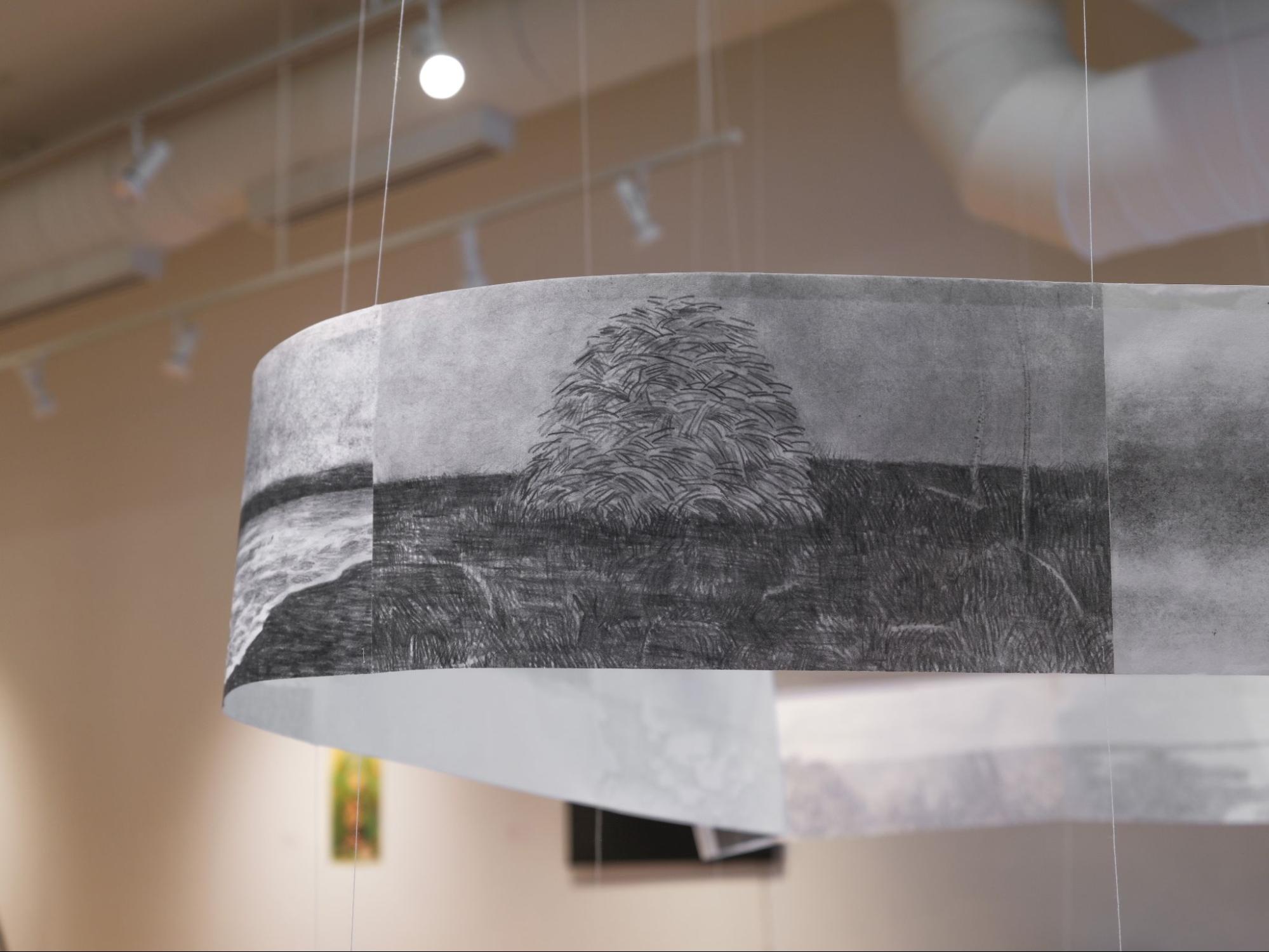
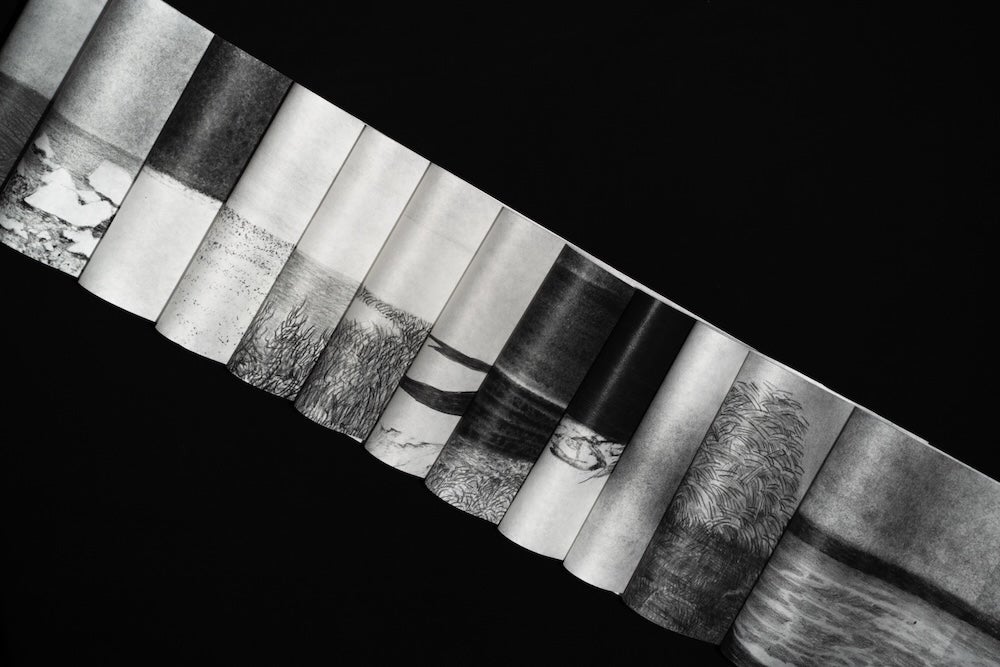
A Thousand Plateaus
2026
Rice paper; reed, metal wire, thread, stone.
Image
A Murder
2024
Image
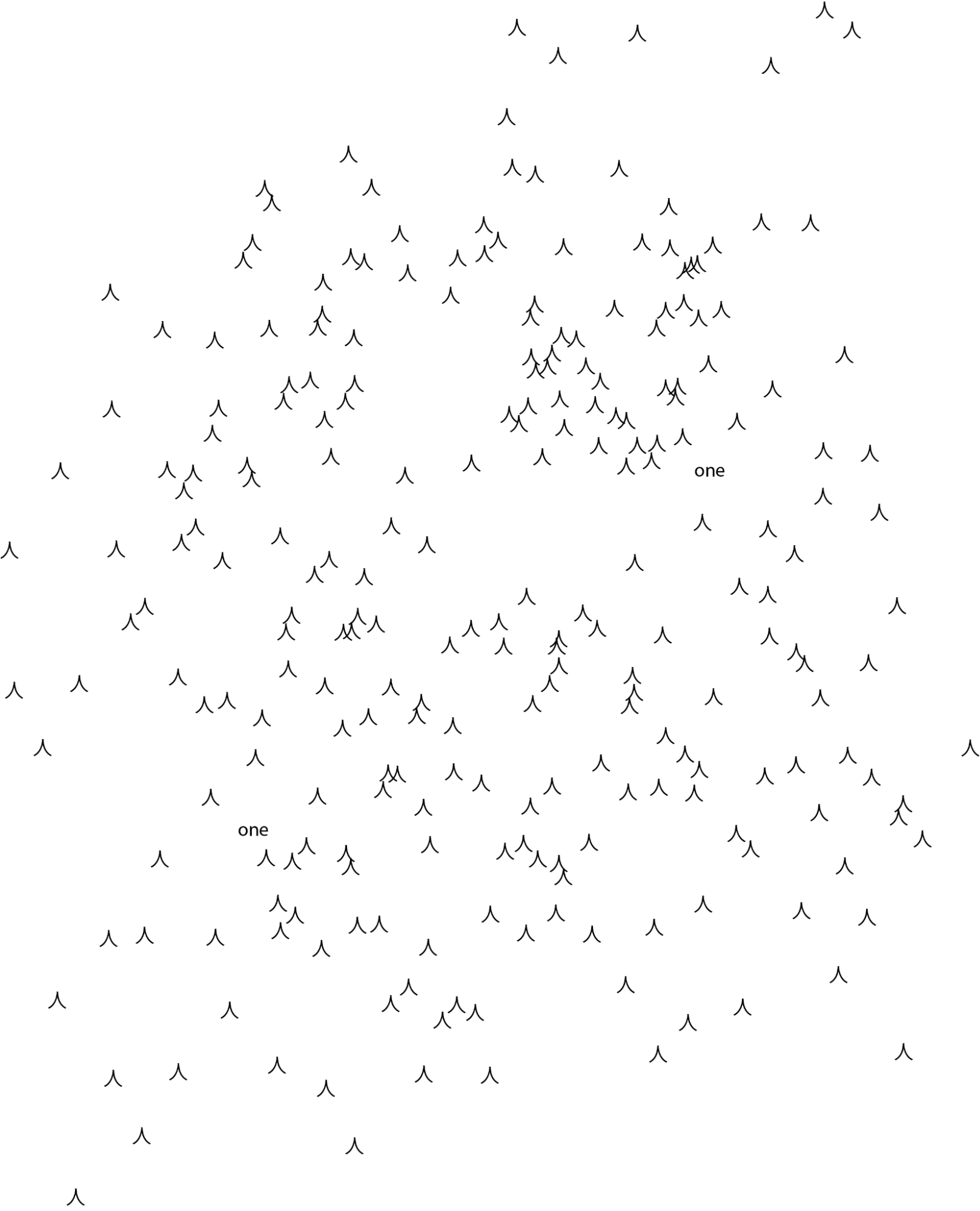
Two Foreigners(俩老外)
2024
Video file
Recursive Gaze
2024
3D-scanned fabric printed in PLA
Image
Rhode Island School of Design
20 Washington Place
Providence, RI 02913–2784
United States of America
+1 401 454 6100
+1 800 364 RISD
QUICK LINKS
risd.edu
Graduate Studies


Image
Rhode Island School of Design
20 Washington Place
Providence, RI 02913–2784
United States of America
+1 401 454 6100
+1 800 364 RISD