Saachi Mehta
MFA Graphic Design
Fictional Truths
Fictional Truths starts with a question: What if storytelling wasn’t just content, or a way to pitch a client, but instead became a way of approaching design? What if we could borrow from how narratives are built to reimagine how we design?
This thesis investigates how analyzing narrative structures opens up possibilities that traditional linear design frameworks simply can’t reach. Context shifts meaning. Through feminist revision and plural truth-making, I propose that fiction is a legitimate way of knowing, not separate from truth, but a way of producing knowledge that resists a singular perspective. Instead, Fictional Truths embraces imagination and plurality as generative forces. It looks at design as a fluid medium, as something constantly shifting and changing.
When we look at storytelling as form rather than content, something shifts. Narrative architecture becomes a tool, a way of thinking about how to design futures that can hold complexity, contradiction, and multiple ways of being. This approach builds on what exists: revising it, reimagining it. What happens when we listen to what we’ve been told and ask: what else could come next? What if we choose new ways to think about the stories that define our life and the practice of graphic design?
Image
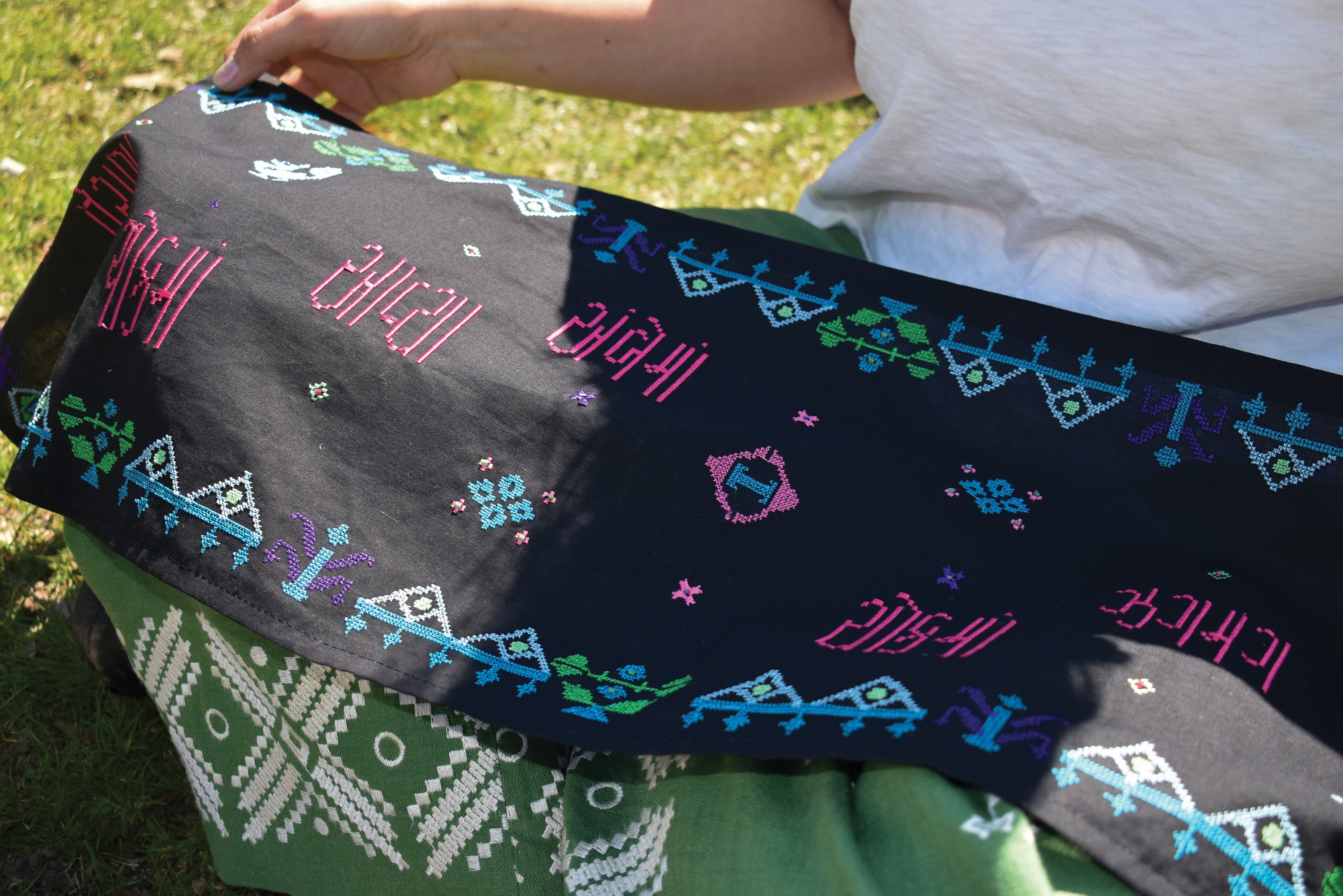
Moti: A Type Specimen
Moti is a Gujarati pattern making typeface, the type specimen features a Gujarati folklore song bought to life with digital embroidery. Using the typeface, this woven textile bridges traditional beadwork heritage and contemporary digital tools, grounding the font in physical form while honoring the cultural narratives embedded within each letter and motif.
Image
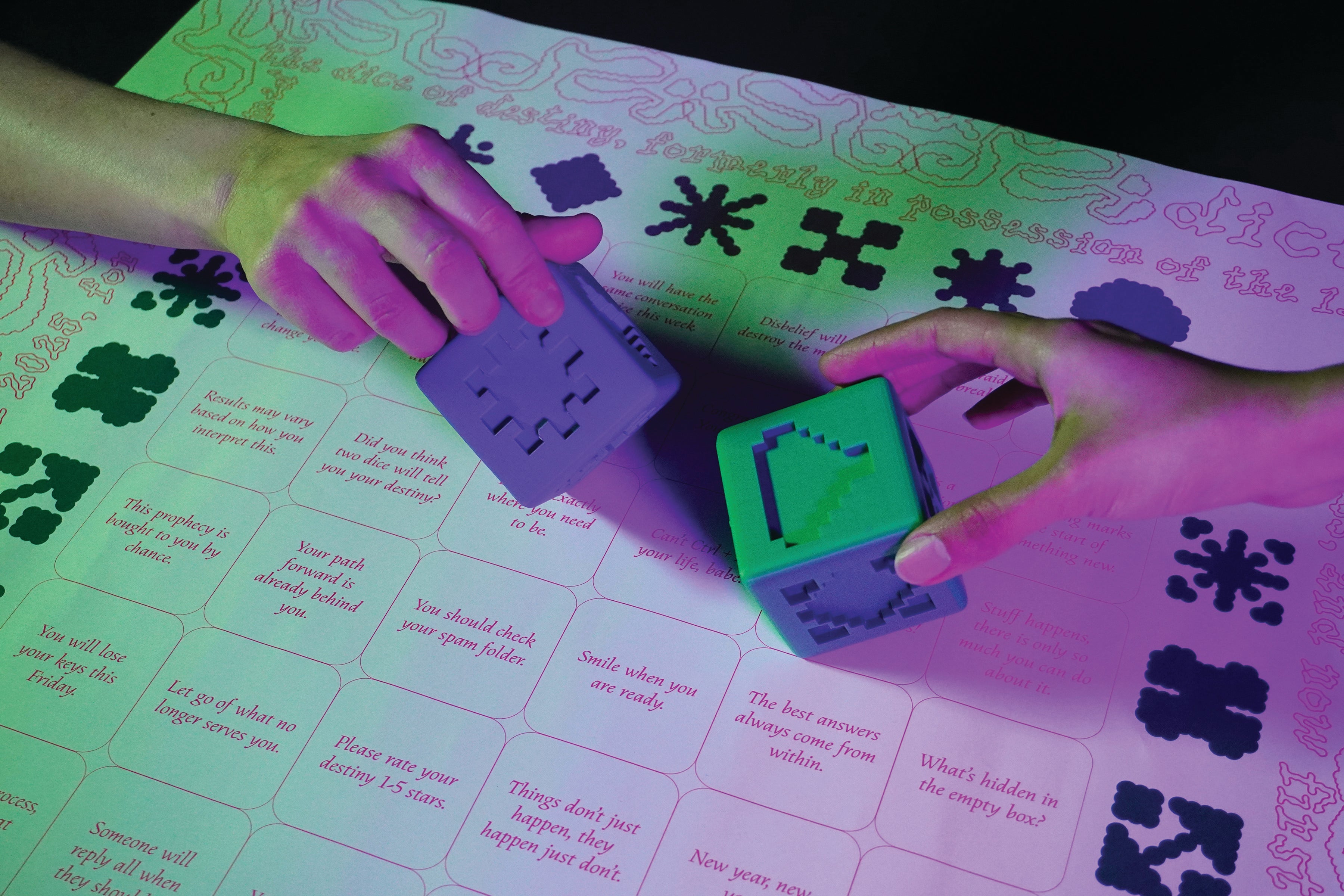
Dice of Destiny
Dice of Destiny is an exploration of chance, interpretation, and the constructed nature of meaning-making systems. This project examines how knowledge systems built on fiction can still generate genuine meaning through the act of interpretation. It consists of two custom dice marked with abstract symbols and a fortune-telling chart containing 36 fortunes that exist between sincerity and satire, borrowing from fortune cookie language, corporate mysticism, and self-help wisdom while gently undermining their authority.
Image
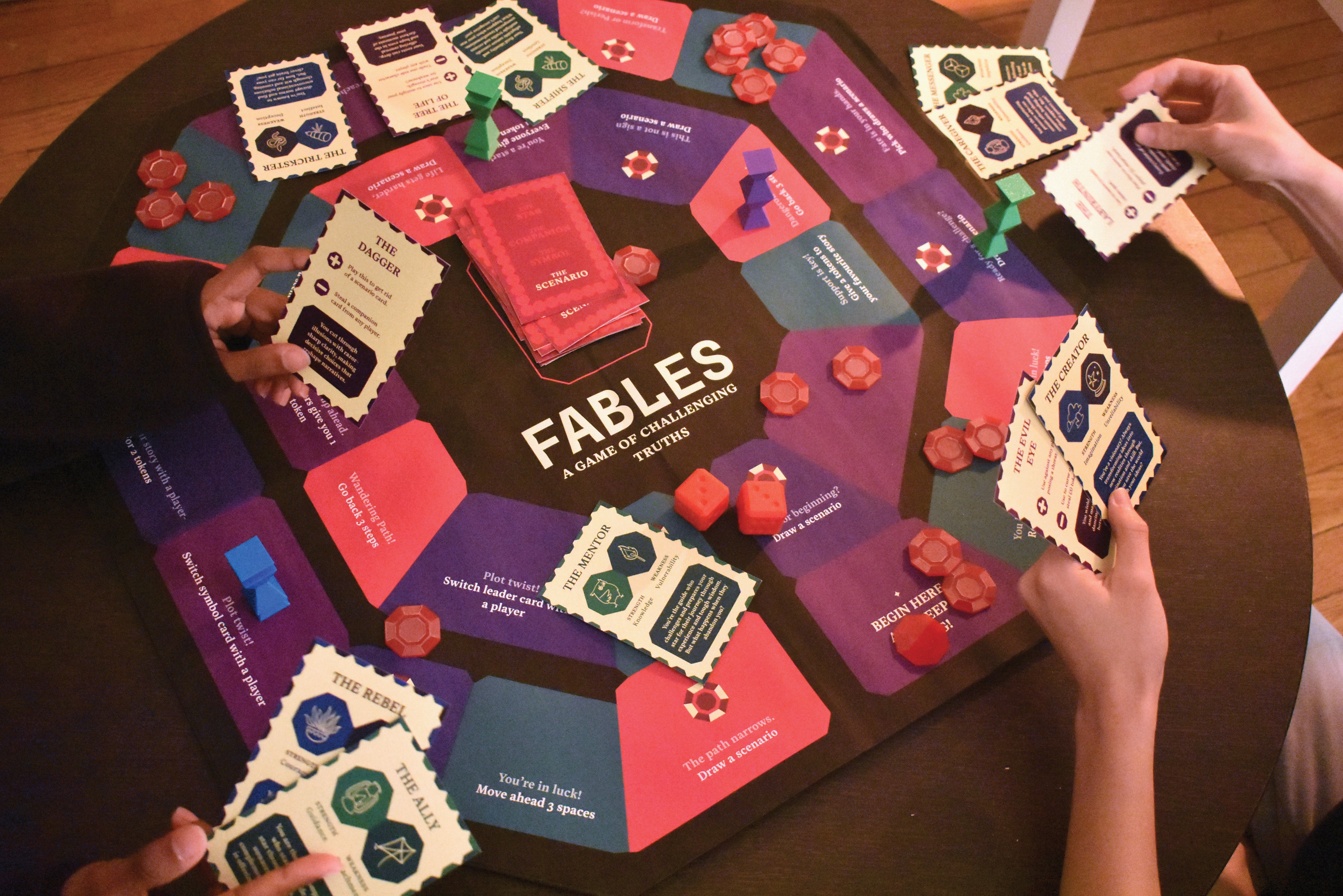
Fables: A Game of Challenging Truths
Fables is a narrative board game where players construct and defend stories across shifting scenarios, succeeding through persuasion rather than fact. By centering storytelling as its core mechanic, the game explores how communities preserve knowledge, form identity, and build shared truth through collectively chosen narratives.
Image
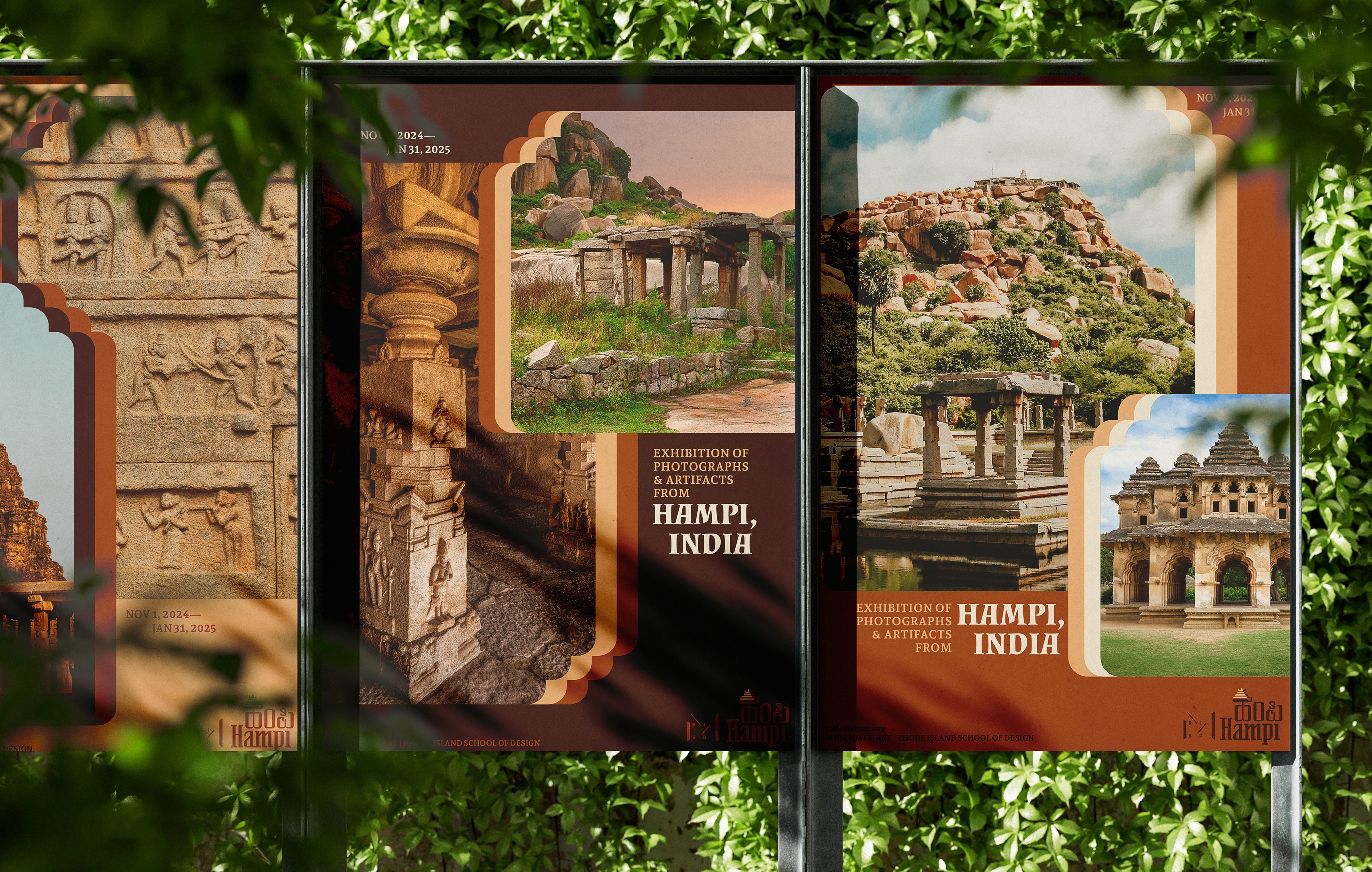
Hampi
A bilingual identity system for Hampi, a UNESCO World Heritage site in Karnataka, integrating English and Kannada. This approach honors the region's cultural specificity, ensuring the design speaks authentically to local communities while welcoming international visitors, centering the site's living heritage and linguistic identity.
Image
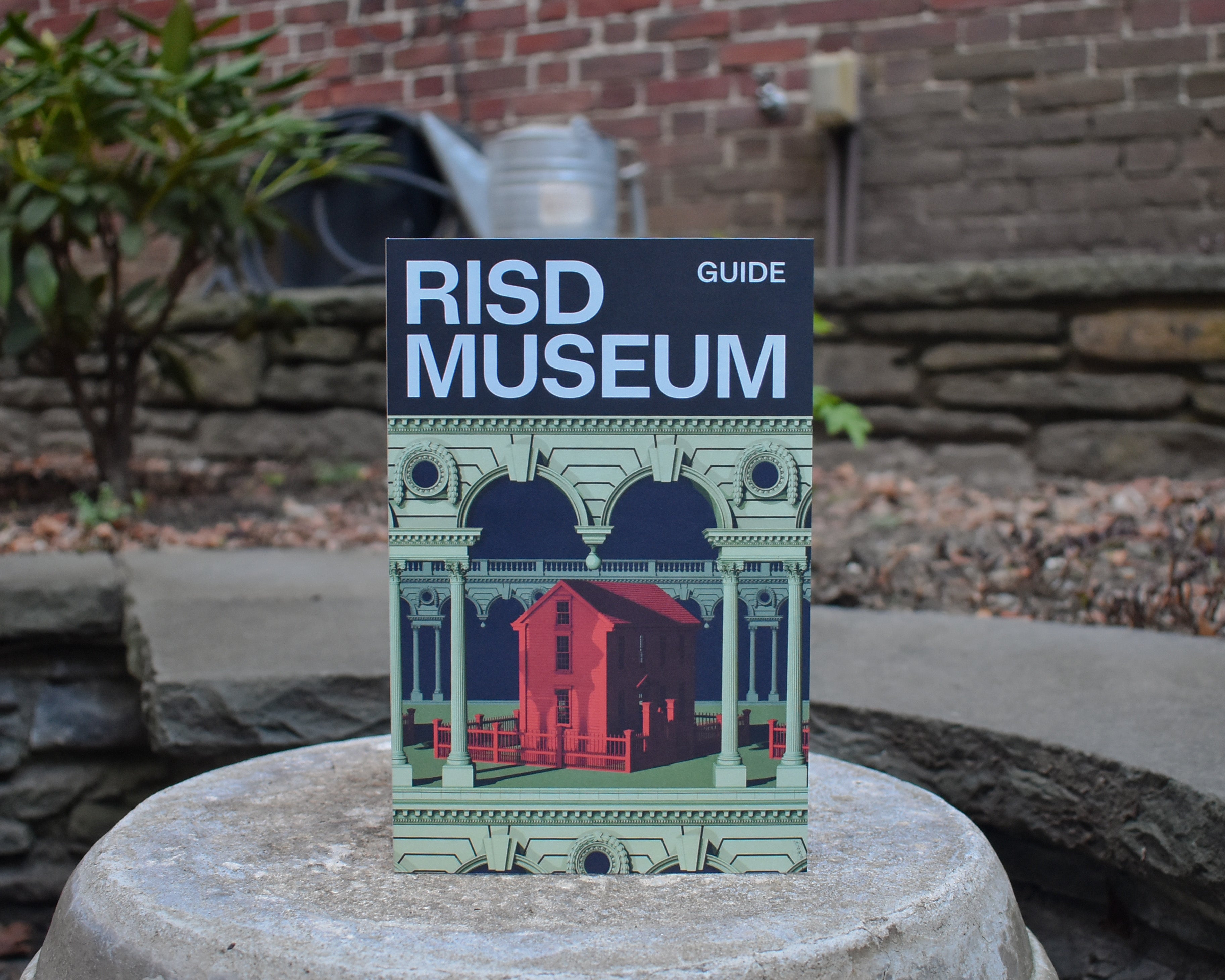
RISD Museum Guide
For the RISD Museum's three-building campus, I designed a comprehensive guide featuring a structural diagram that clarifies spatial organization, distinguishes gallery spaces, and illustrates navigation paths. Through iterative refinement, the map balances visual clarity with accessibility, guiding visitors through the complex hillside layout since December 2025.
Image
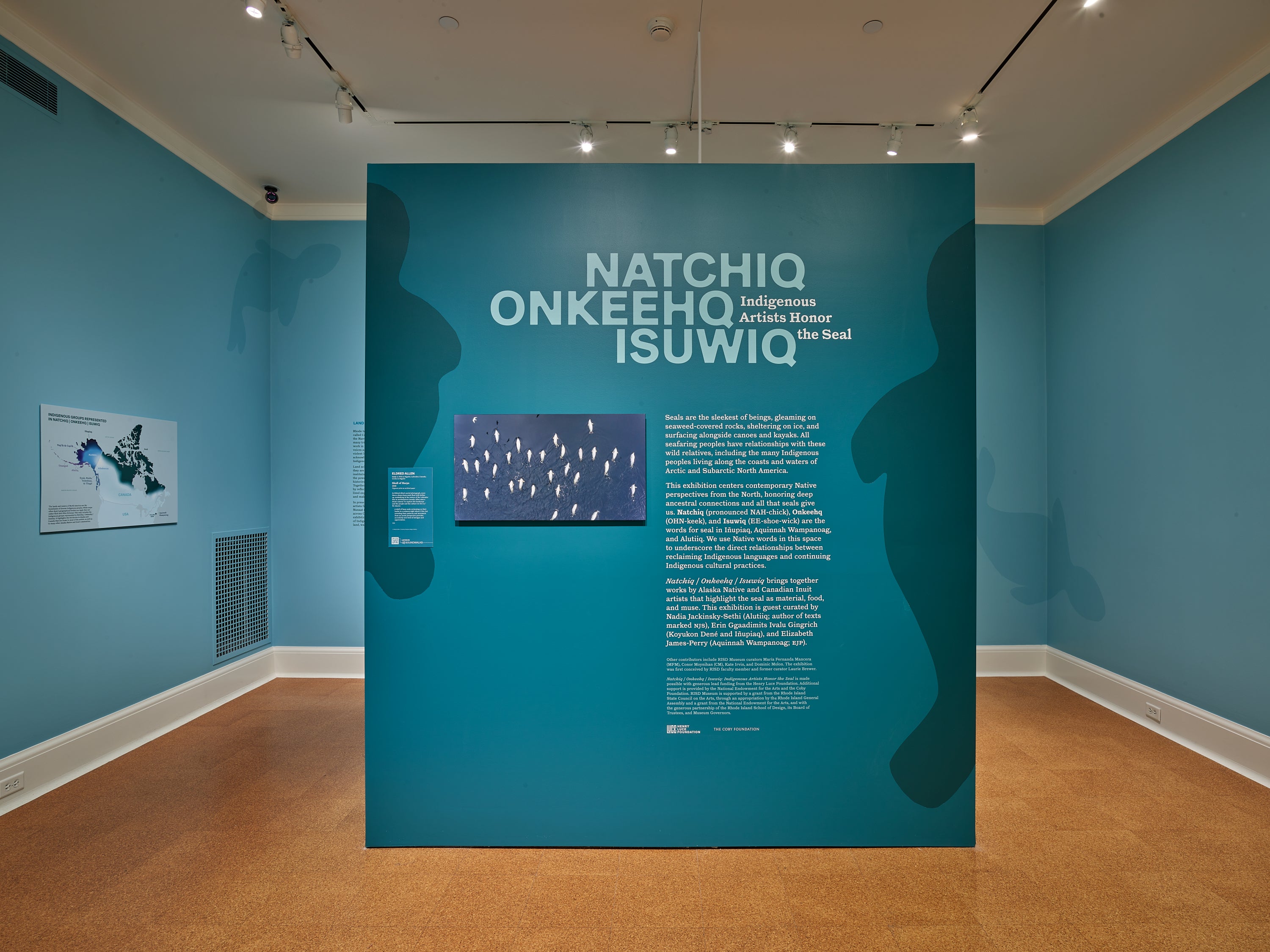
For Natchiq | Onkeehq | Isuwiq at the RISD Museum, I designed exhibition identity honoring indigenous artists from Alaska and Canada who celebrate the seal in their work. Working closely with artists and curators, I developed graphics that reflect the cultural depth and intention behind their practices, on view through October 2026.
Image
Rhode Island School of Design
20 Washington Place
Providence, RI 02913–2784
United States of America
+1 401 454 6100
+1 800 364 RISD
QUICK LINKS
risd.edu
Graduate Studies


Image
Rhode Island School of Design
20 Washington Place
Providence, RI 02913–2784
United States of America
+1 401 454 6100
+1 800 364 RISD