Thea Kim
MFA Graphic Design
\n: Playground of Digital Interventions
How do we live within the digital world? Is the space a tool, a refuge, a playground, or something so deeply embedded that we no longer notice it at all? The digital strives to disappear. In becoming invisible, it becomes harder to question, quietly reorganizing how we perceive, act, and relate.
Yet, the digital was not always encountered this way. There were moments when we explored the web, hacked it, and played within it — out of our own curiosity, mischief, or simple pleasure. These practices, often informal and unintentional, expanded the medium from within, stretching what it could hold and become. This spirit forms the ground of the methodology displayed in this book. Hacking, tool-making, and synergizing are used as modes for moving with and through the digital. Through these gestures, I defamiliarize what has come to feel natural through alternative interfaces. The friction of a seamless facade seeps out, revealing the instability beneath the abstraction.
Seen through media anthropology and digital folklore, my work belongs to a longer lineage of vernacular engagements with the digital that are shaped by personal sovereignty, the joy of making, and creative freedom. This body of work is not nostalgia or a speculation but a critical retrieval of a specific ethos of living with and within the digital. Never independent, these interventions always circulate within a network.
Image
Image
1984
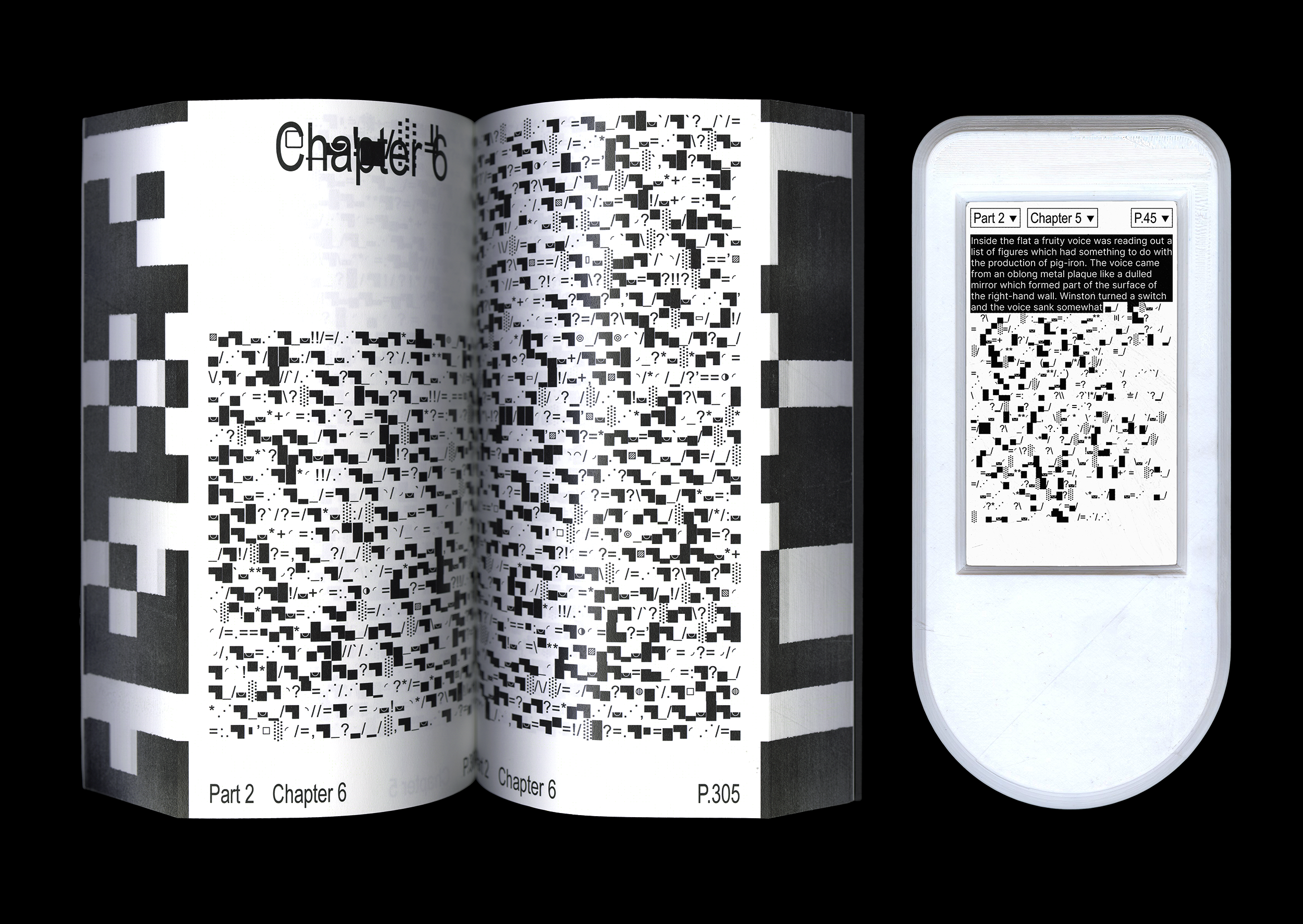
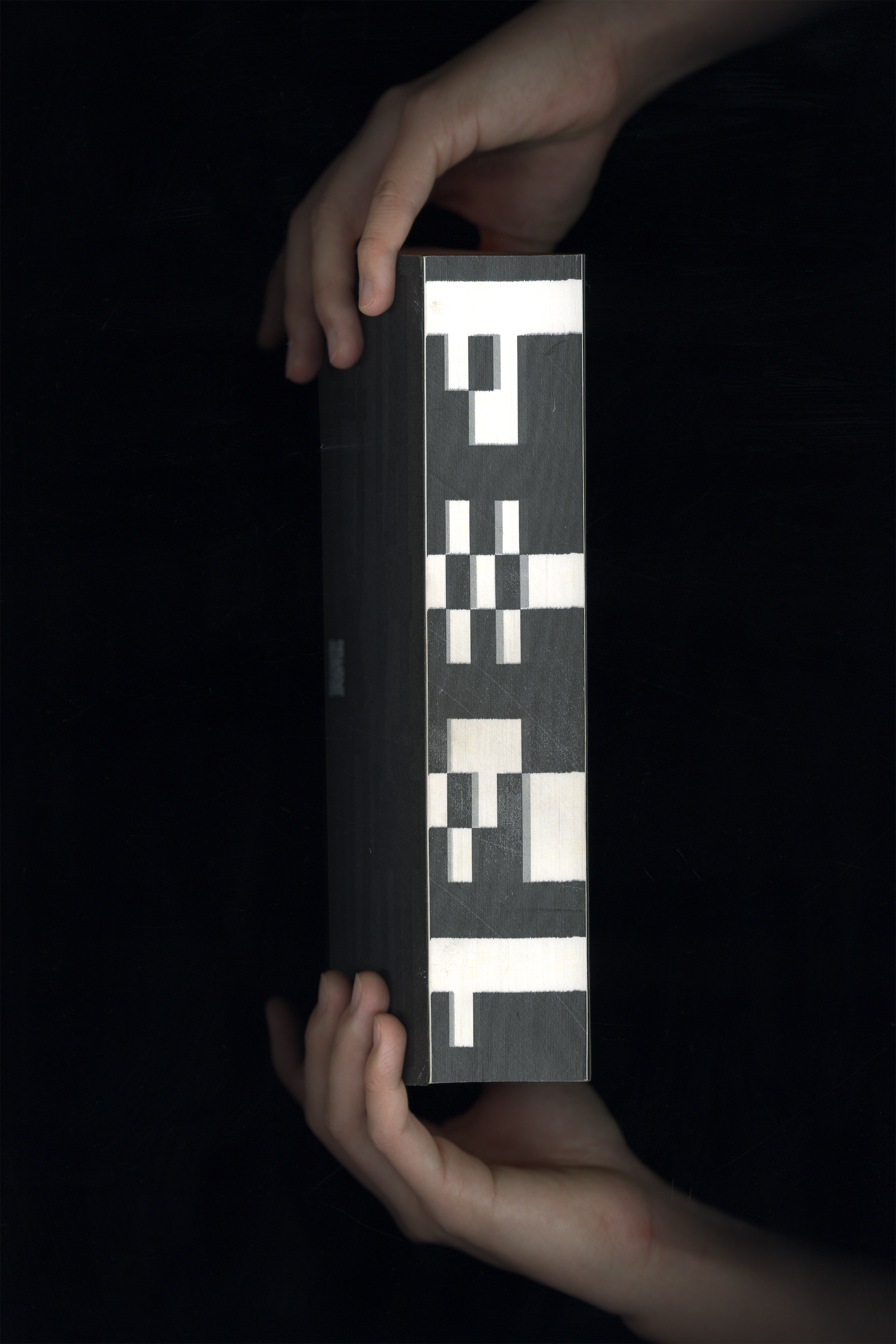
Could the things we now consider modern, universal, and cutting-edge end up being just as incomprehensible in the future? By defamiliarizing a familiar technology like a book, and making it unreadable without a decoding tool, it marginalizes not just fringe groups but everyone in the present. By emphasizing the inaccessibility of the book to everyone it encourages viewers to reflect on the limitations and uncertainties of our so-called modern advancements.
Image
ABC
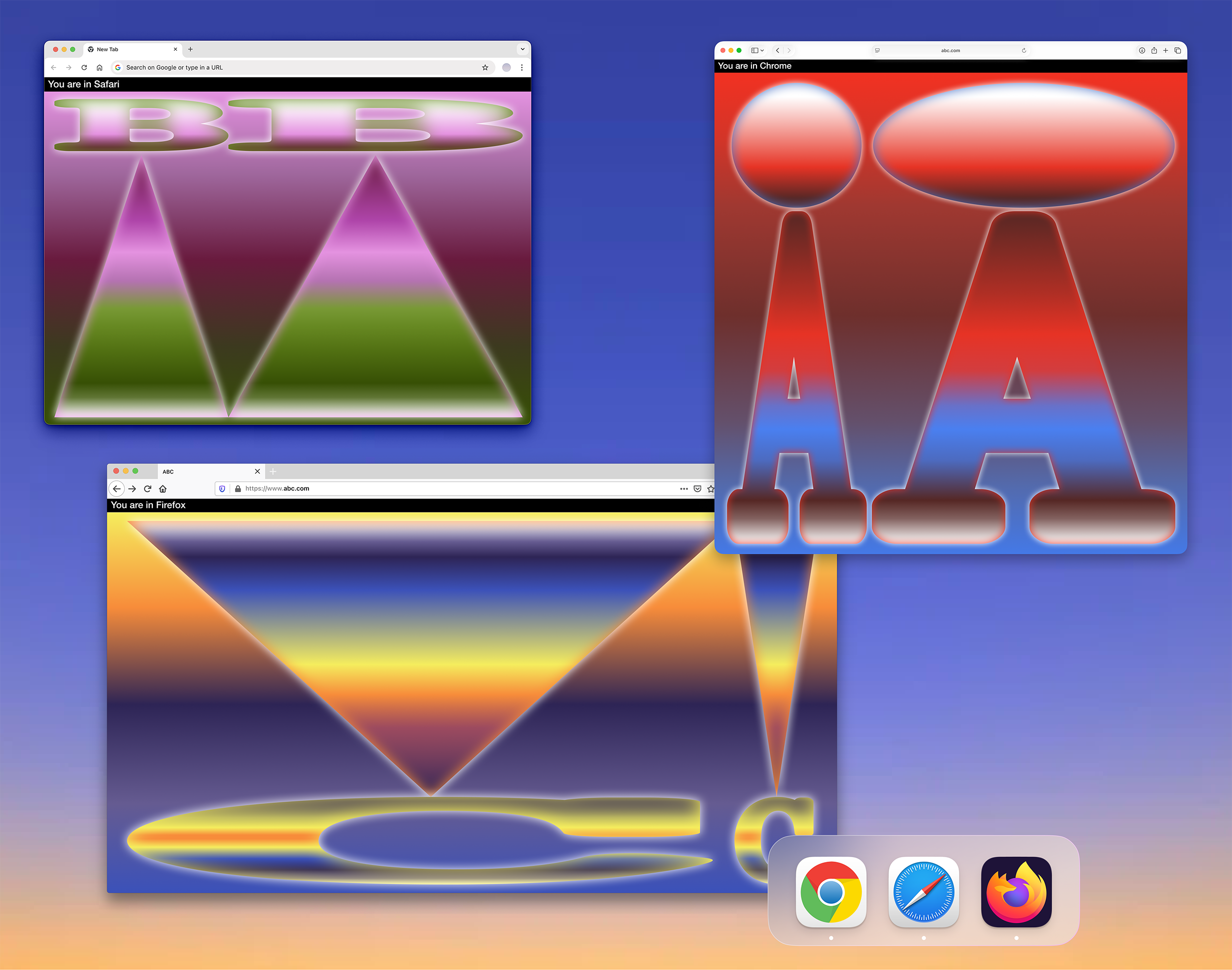
ABC interrogates the fundamental instability of the web as a medium. While the internet is commonly perceived as a universal, seamless platform, digital experience is in fact highly contingent. It is shaped by algorithmic curation, corporate gatekeeping, and state censorship. Among the many mechanisms that fragment online access, this work isolates the most elementary form of browser instability. Even when accessing identical domains, users encounter different content depending on their browser. The “same” website fractures into multiple versions, each rendering distinct realities. This basic technical inconsistency reveals a larger truth that there is no singular internet but only fragmented experiences masquerading as universality.
Image
Sensing Scale
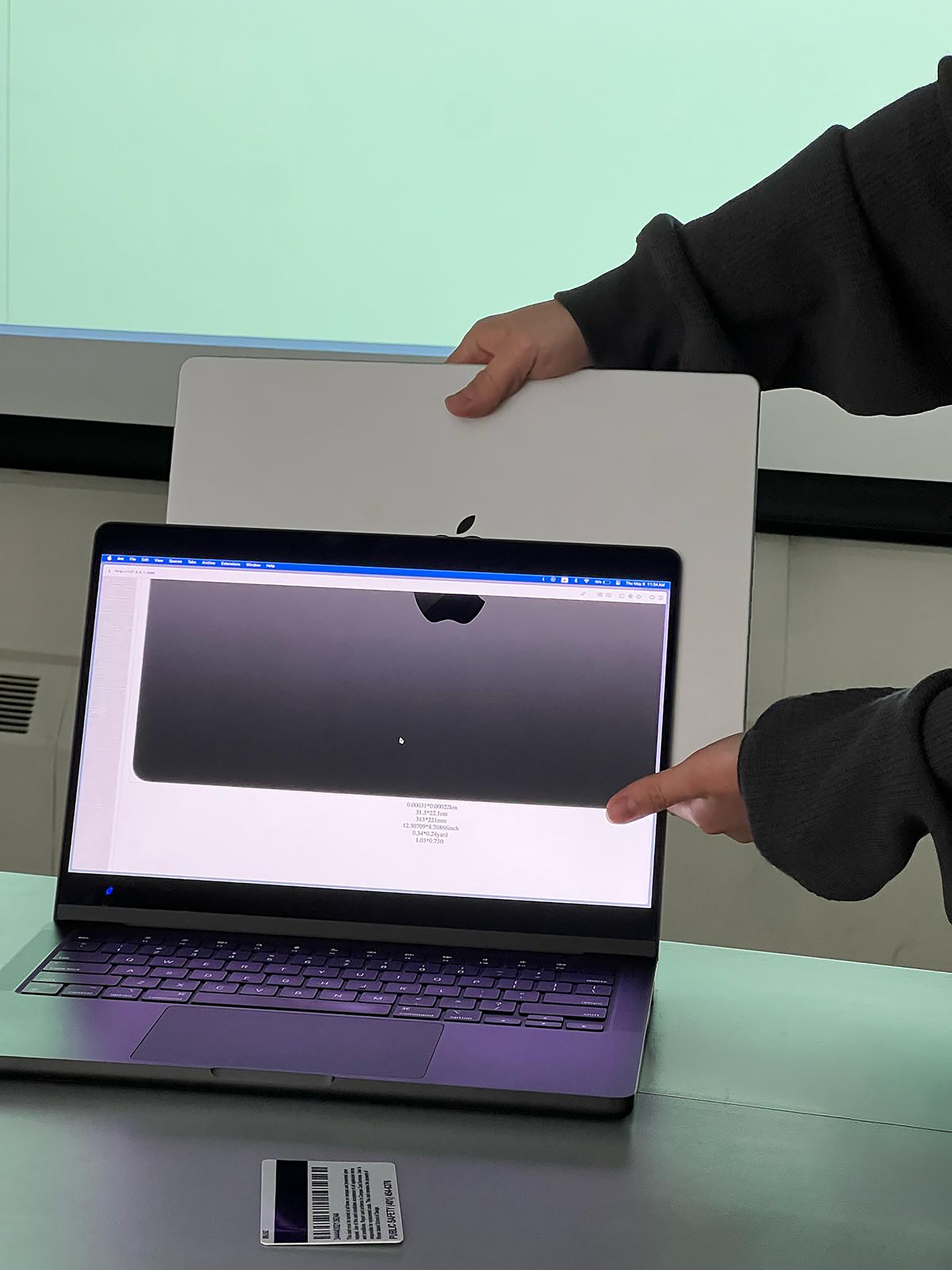
Sensing Scale is a web-based project that challenges our perception of objects in digital space by displaying them at their actual, physical dimensions on screen. Users calibrate their display using a standardized card, then explore everyday objects such as McDonald's medium cups from different countries at 1:1 scale. This reveals how digital mediation abstracts us from materiality, while exposing the cultural politics hidden within seemingly universal “standards.” By restoring real-world scale to the screen, the project bridges the gap between physical and digital experience, making us reconsider how we sense, measure, and understand objects in an increasingly screen-mediated world.
Image
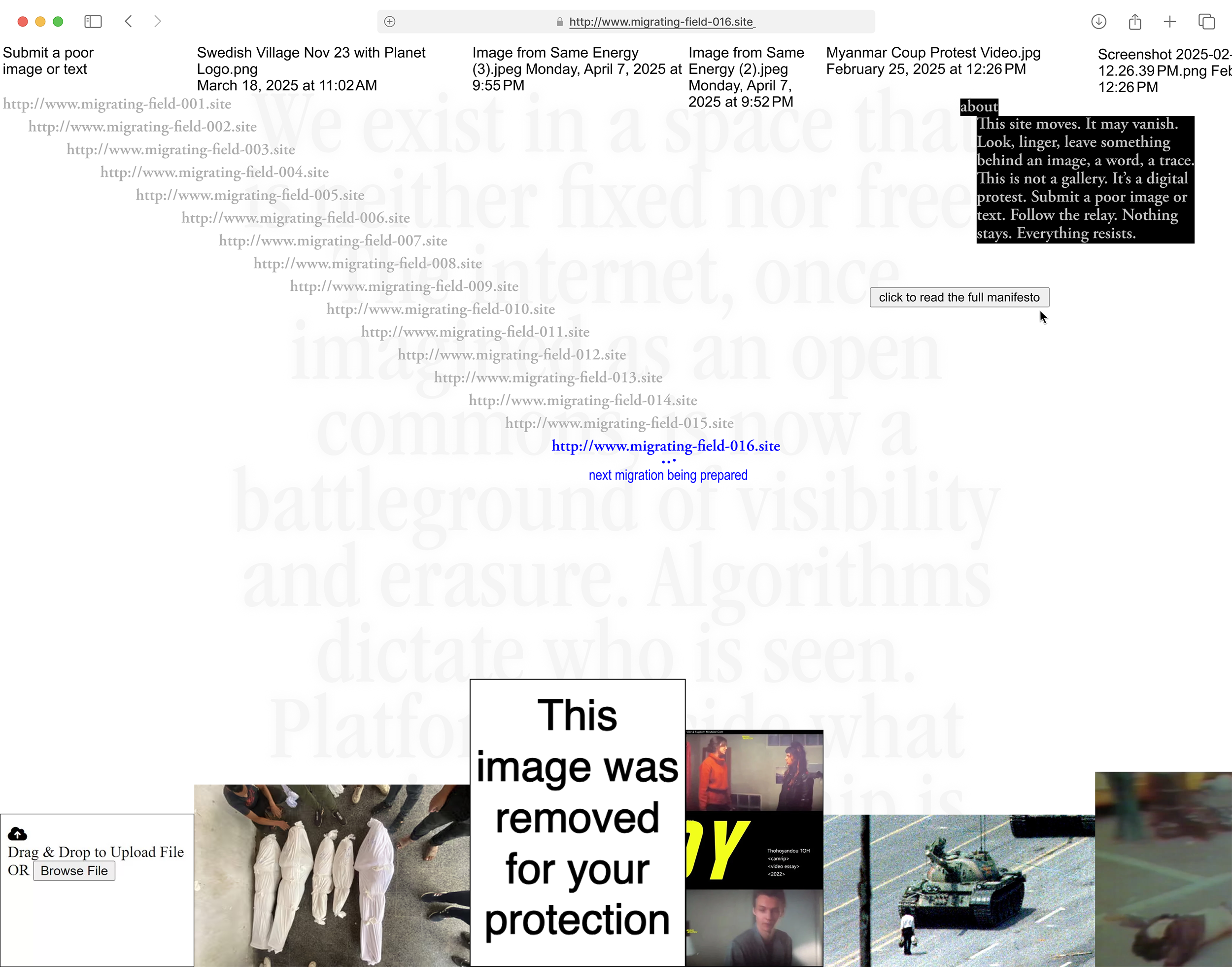
Fugitive Link
A month-long participatory digital artwork that performs resistance through continuous website migration and hyperlink relay systems. Inspired by piracy networks and my personal experience of getting sued for copyright infringement, the project hosts a website containing censored or suppressed visual content that is likely to be taken down within days. And as each site is blocked, it migrates to a new domain and mimics the survival tactics of underground platforms. A parallel archive site documents each URL iteration, creating a trail of dead links and relocated addresses. Participants engage anonymously through weekly gatherings, contributing flags made with Poor Images, declarations, and signature campaigns that build digital solidarity.
Image
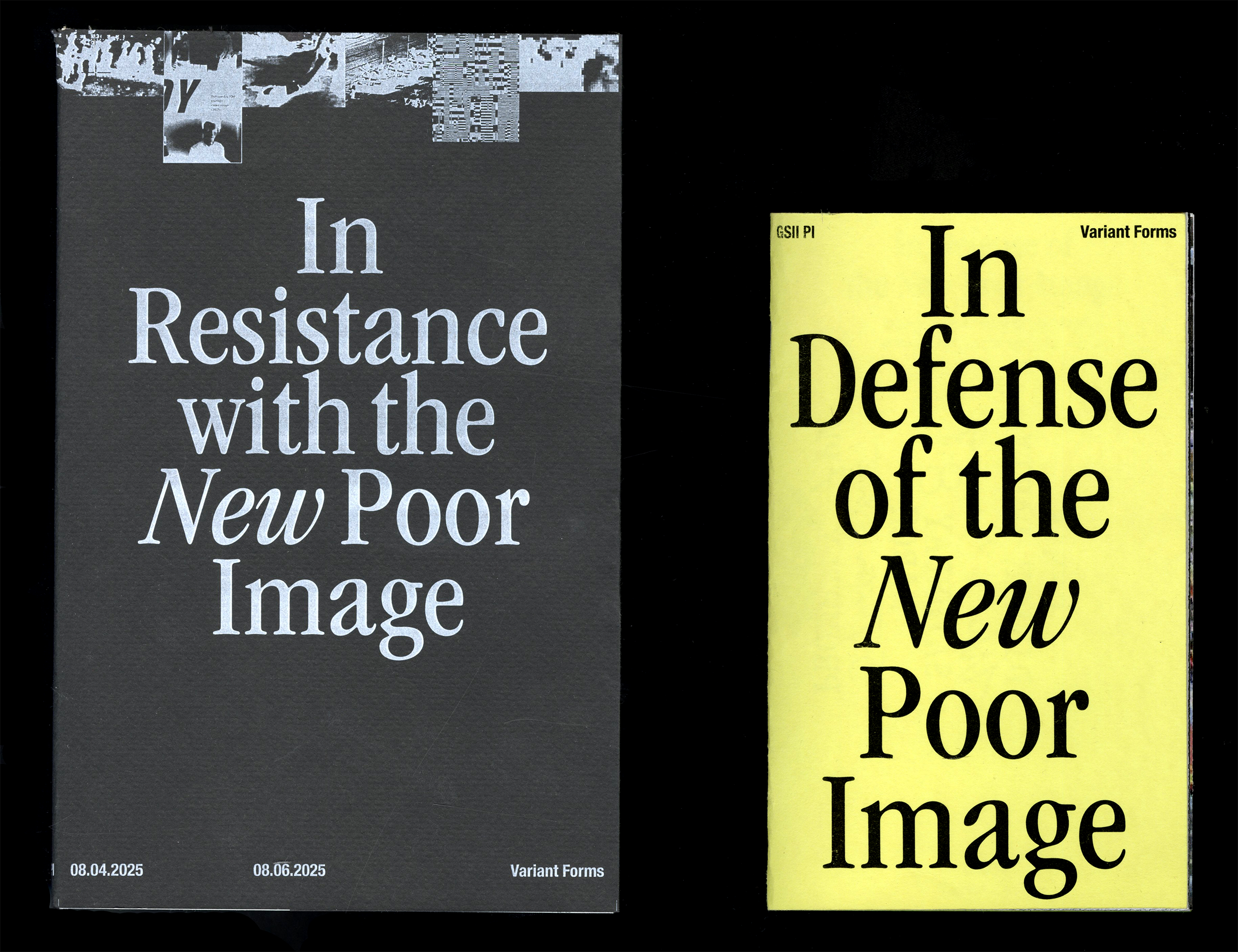
In Defense of the New Poor Image (Right)
In Resistance with the New Poor Image (Left)
In Defense of the New Poor Image is a critical research publication that reimagines Hito Steyerl’s 2009 concept of the “Poor Image” for the contemporary digital landscape. While Steyerl celebrated low-resolution, pirated images as tools of democratic access, this book argues that image poverty has fundamentally shifted from issues of compression and resolution to problems of censorship, algorithmic suppression, and restricted visibility. In Resistance with the New Poor Image is a documentation of all iterations in the Fugitive Link and compiled into a physical publication.
Image
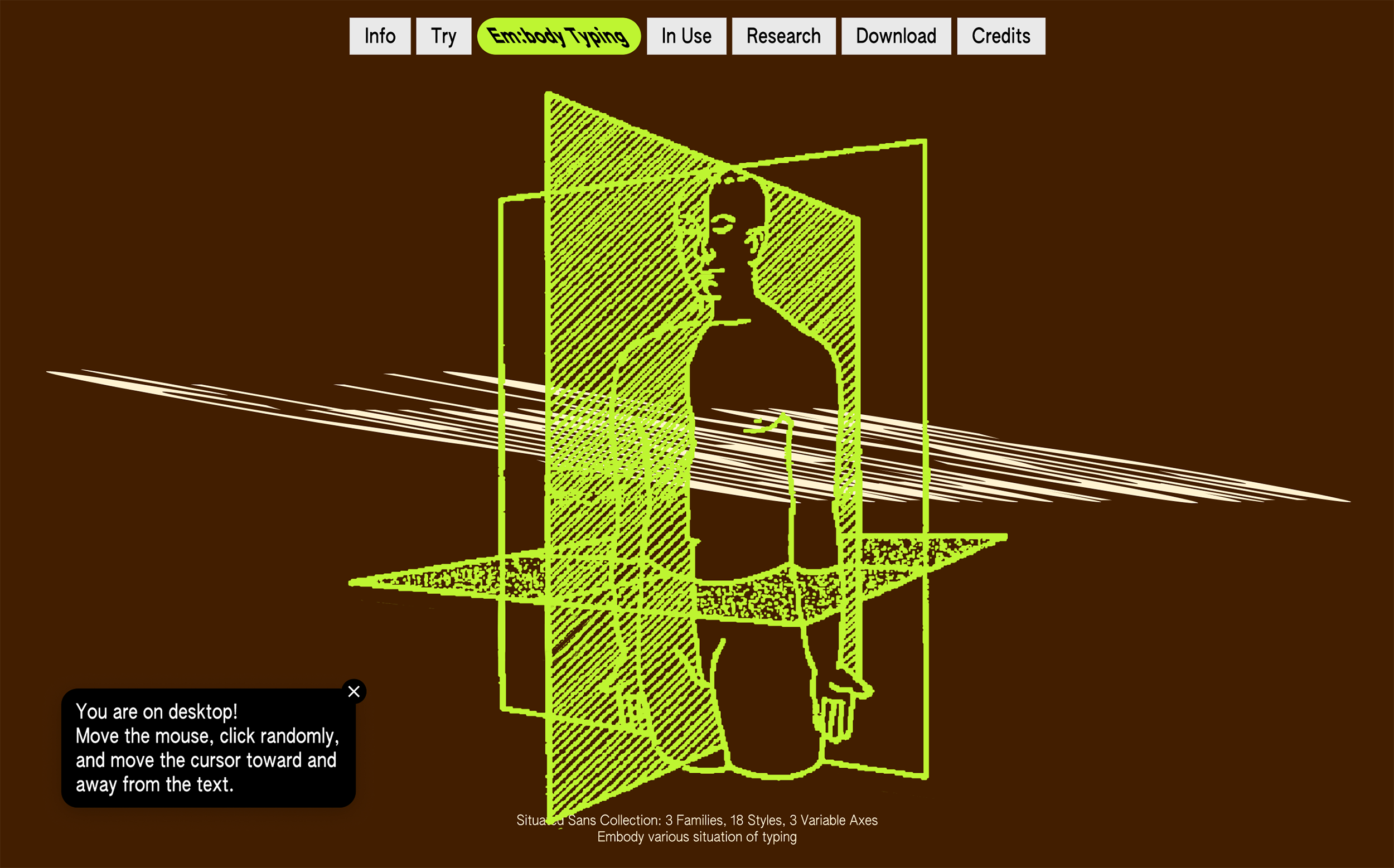
Situated Sans
Digital typing has become uniform, fast, efficient, but also disembodied. Every keystroke produces identical letters, erasing the physical presence of the writer. Situated Sans challenges this reproducibility. What if digital text could carry traces of your body? Your posture, your breathing, your rhythm, your physical state in space and time? Situated Sans is a variable typeface that makes typing a physical act again, revealing who you are beyond the screen. This typeface doesn't just transmit meaning but embodies the situation of writing. Each message becomes unrepeatable, carrying the physical and contextual reality of its creation. Typography becomes a record of the body: where you are, how you move, how you breathe, how you feel in the moment of typing.
Image
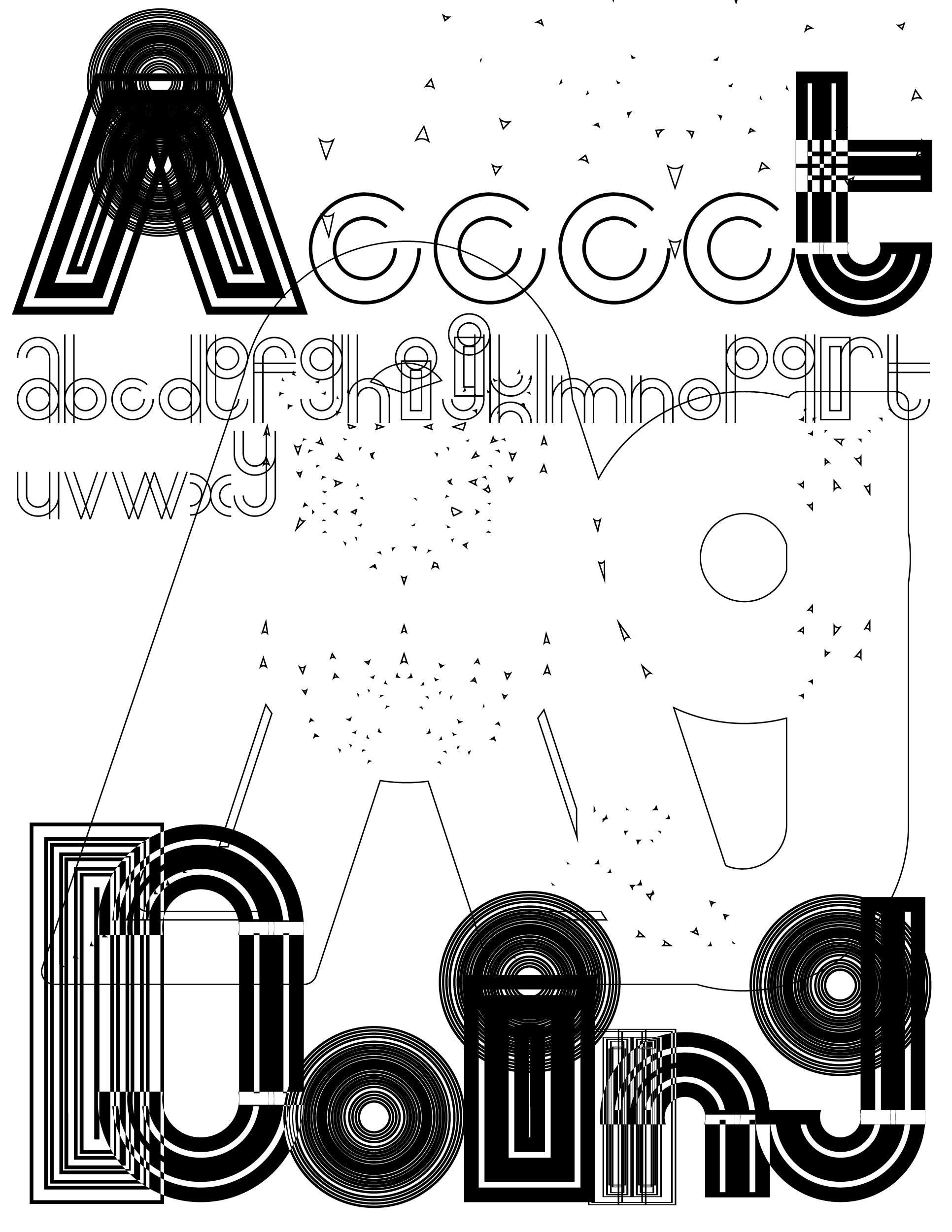
Outlined.otf is a variable typeface created by repeatedly applying Illustrator’s outline and expand functions, transforming letters into highly decorative forms. The work explores how systematic digital processes generate unexpected aesthetic complexity.
Image

Rhode Island School of Design
20 Washington Place
Providence, RI 02913–2784
United States of America
+1 401 454 6100
+1 800 364 RISD
QUICK LINKS
risd.edu
Graduate Studies


Image
Rhode Island School of Design
20 Washington Place
Providence, RI 02913–2784
United States of America
+1 401 454 6100
+1 800 364 RISD