Travis Kelley
MLA Landscape Architecture
Embodied River: Deliberate Unbuilding in Post-Dam Landscapes
Former mill complexes are capitalist ruins, where built infrastructure alters flow, obscures river visibility, and strains cultural connections to the environment. Post-dam landscapes offer opportunity for multiple lifeways and rhythms to collide in new ways, creating “polyphonic landscapes” of encounter.
Dam removal is often framed within an assumed binary of remove or preserve, presenting a false choice between ecology and history. Embodied River proposes a middle ground, redesigning these highly-engineered spaces to benefit both ecological and social needs.
What role could legacy hydro-powered mill complexes, which historically have caused widespread contamination and ecological harm, play in the remediation of landscapes?
Instead of deconstructing and restoring nature, could they play a role in creating new relationships between humans and nature?
Using waste-water management processes to clean the river, the mill complex allows visitors to experience the cleansing process and increasingly engage their bodies with the water. The project uses the concepts of “deliberate unbuilding” and “polyphonic assemblages,” both from the work of Anna Tsing, to guide interventions that create both tacit and explicit learning opportunities. It also draws heavily on Astrida Neimanis’s work on the hydrocommons and posthuman feminist phenomenology, which positions the human body as a form of water body, mobile and porous and in continuous relation with our hydrological context and the more-than-human world.
We are the river. The river is us.
Could we care for the river the way we care for ourselves?
Image
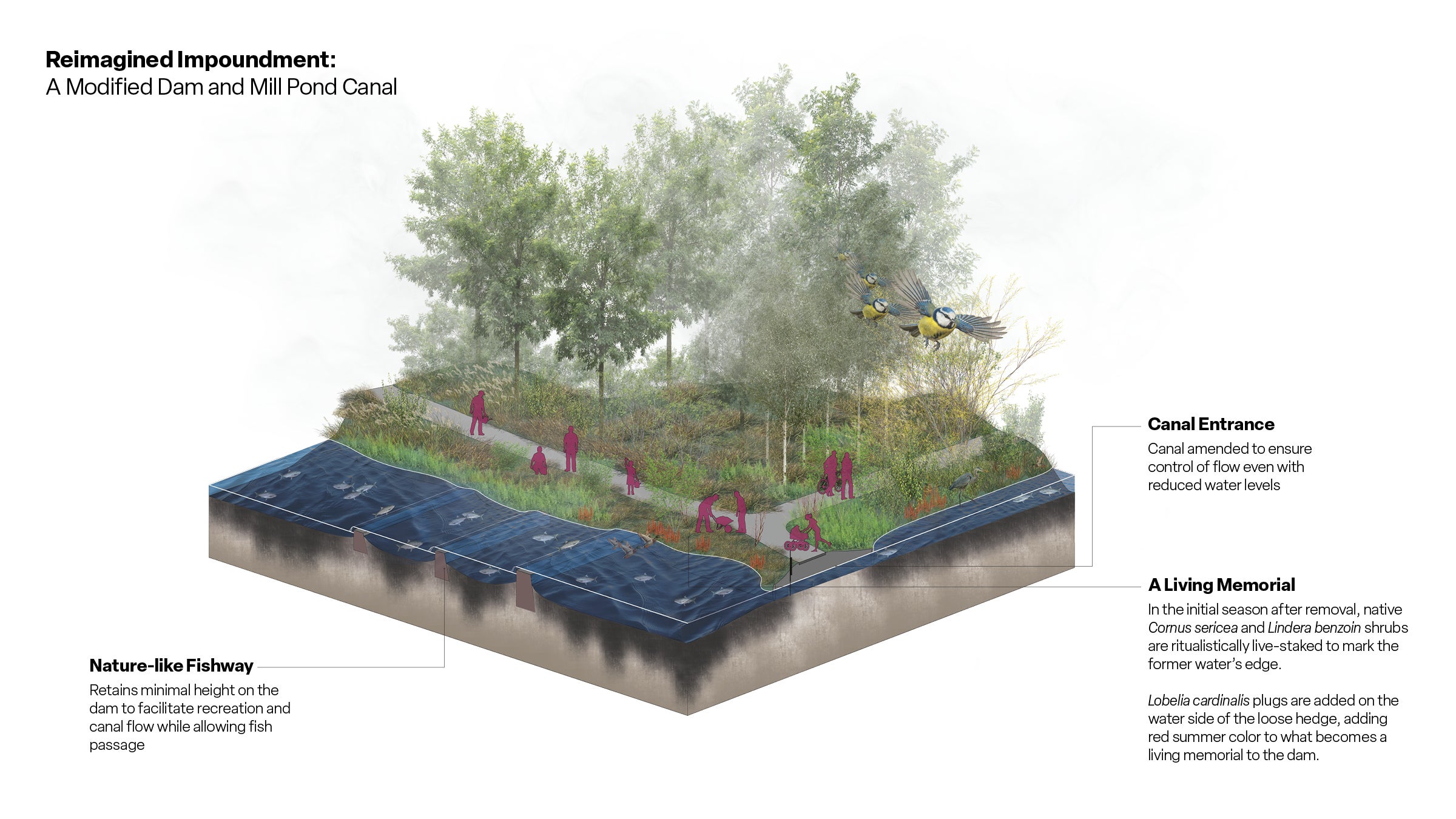
Reimagined Impoundment: A Modified Dam and Mill Pond Canal
This drawing shows how the dam has been modified into a nature-like fishway which allows fish passage, recreation, and continued flow into the canal.
Image
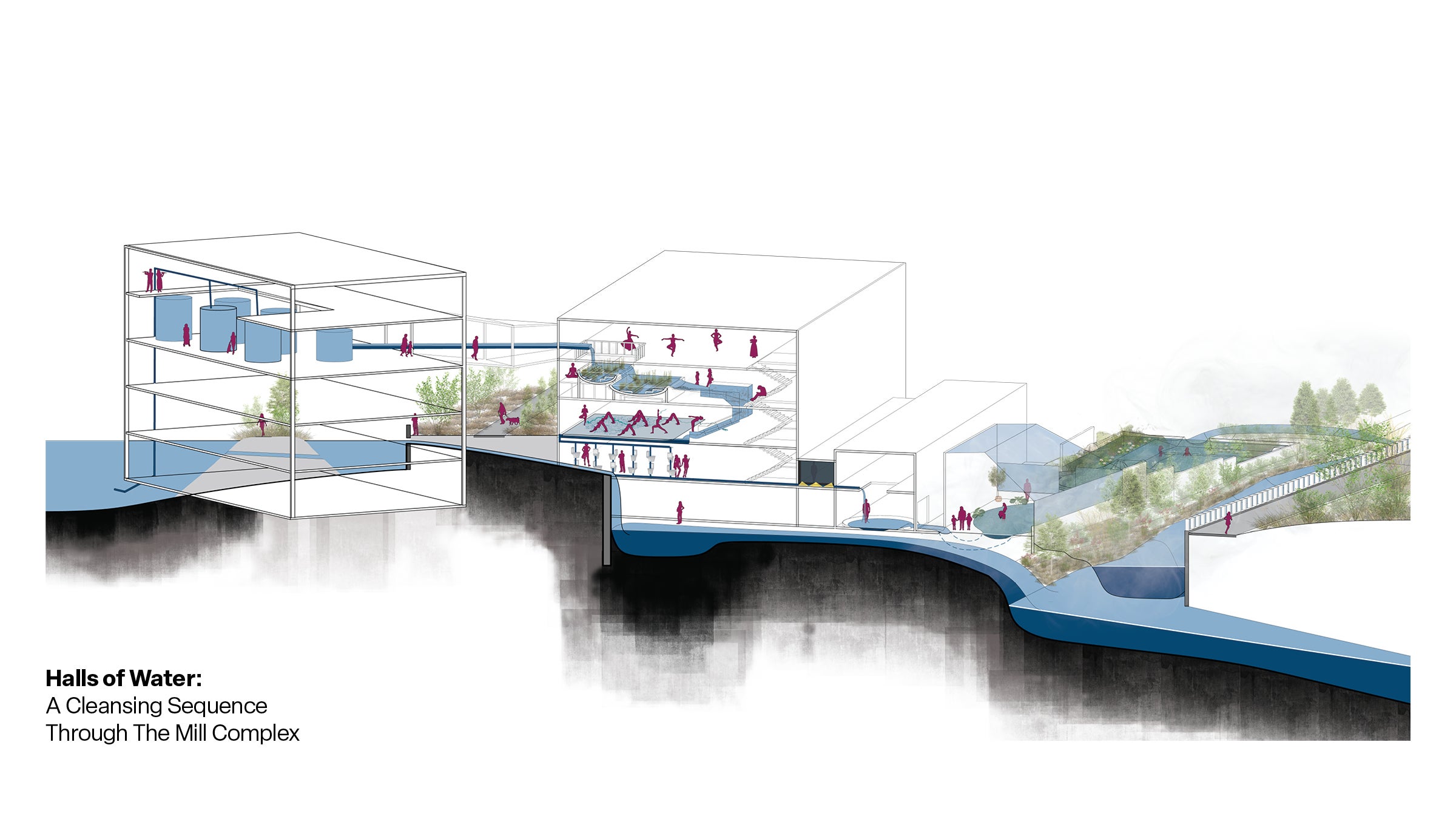
Halls of Water
The proposal includes the use of the mill complex architecture to cleanse the water through a sequence of gallery and studio spaces where visitors can witness the process and increasingly engage their bodies with the water.
Image
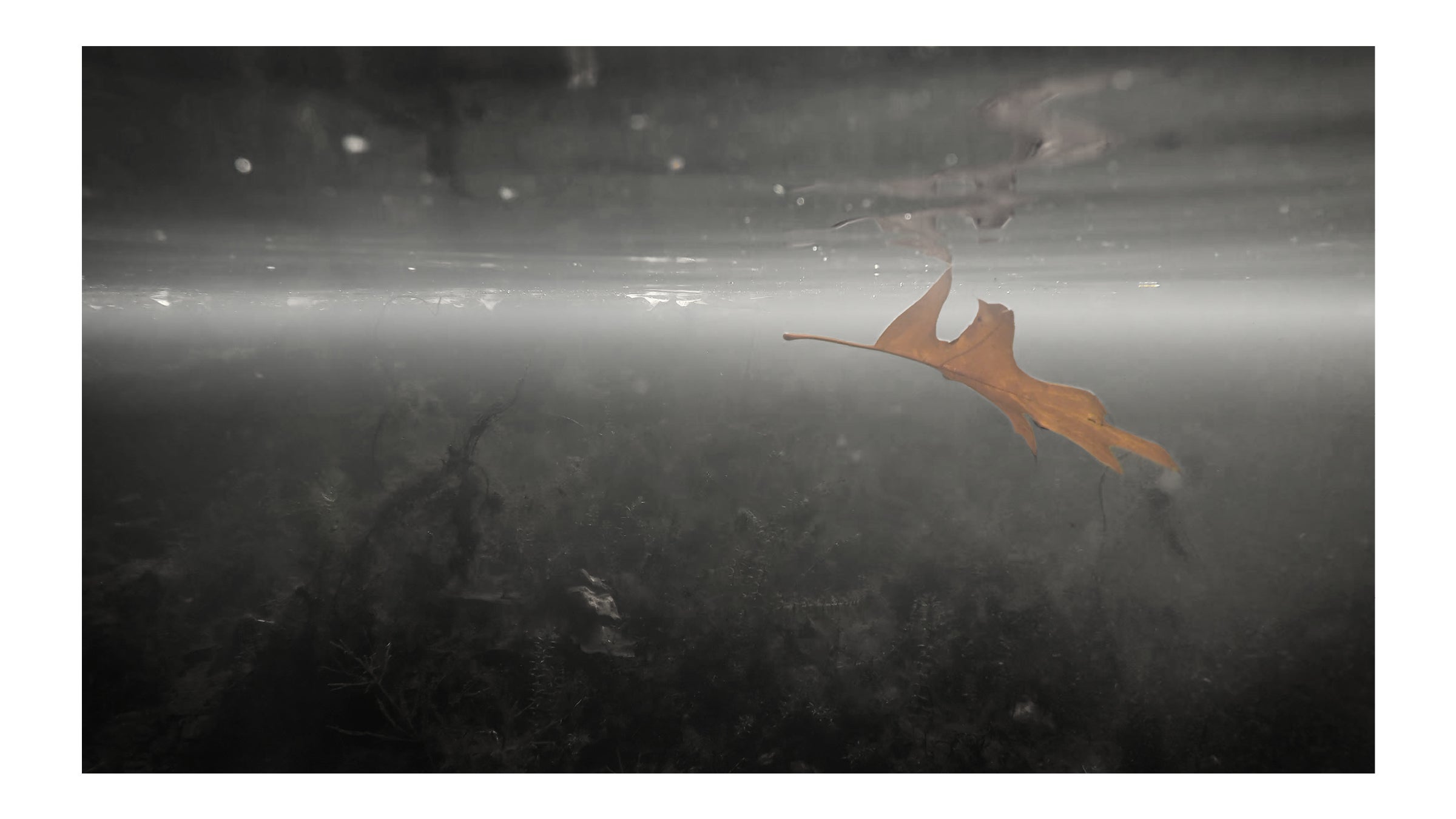
Underwater Worlds
Embodied River involved a phenomenological study of the riverine environment, including underwater photographic studies.
Image
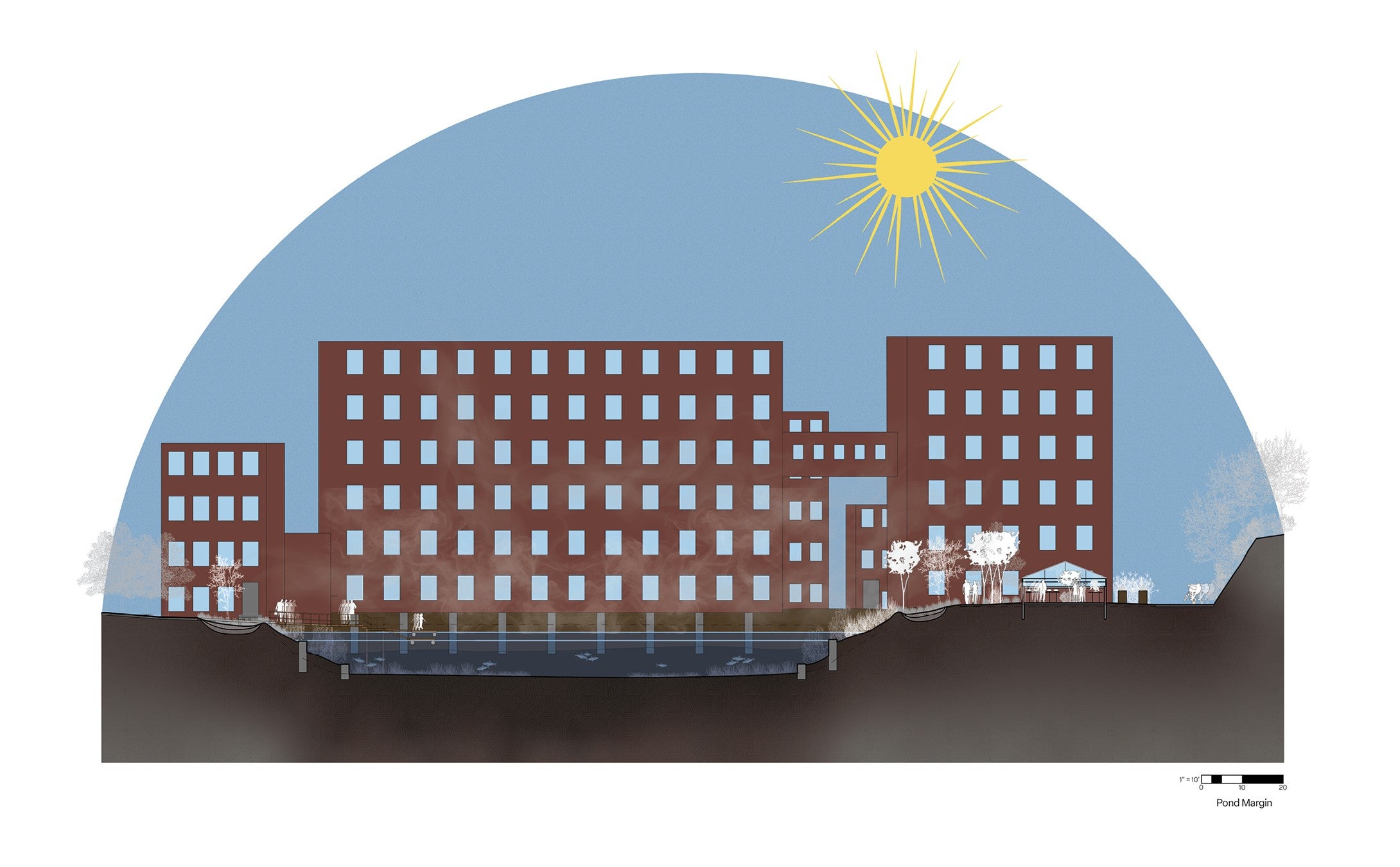
Mill Pond Edge
This conceptual section drawing shows how the edge of the mill pond is designed to include a floating dock and teaching greenhouse complex.
Image
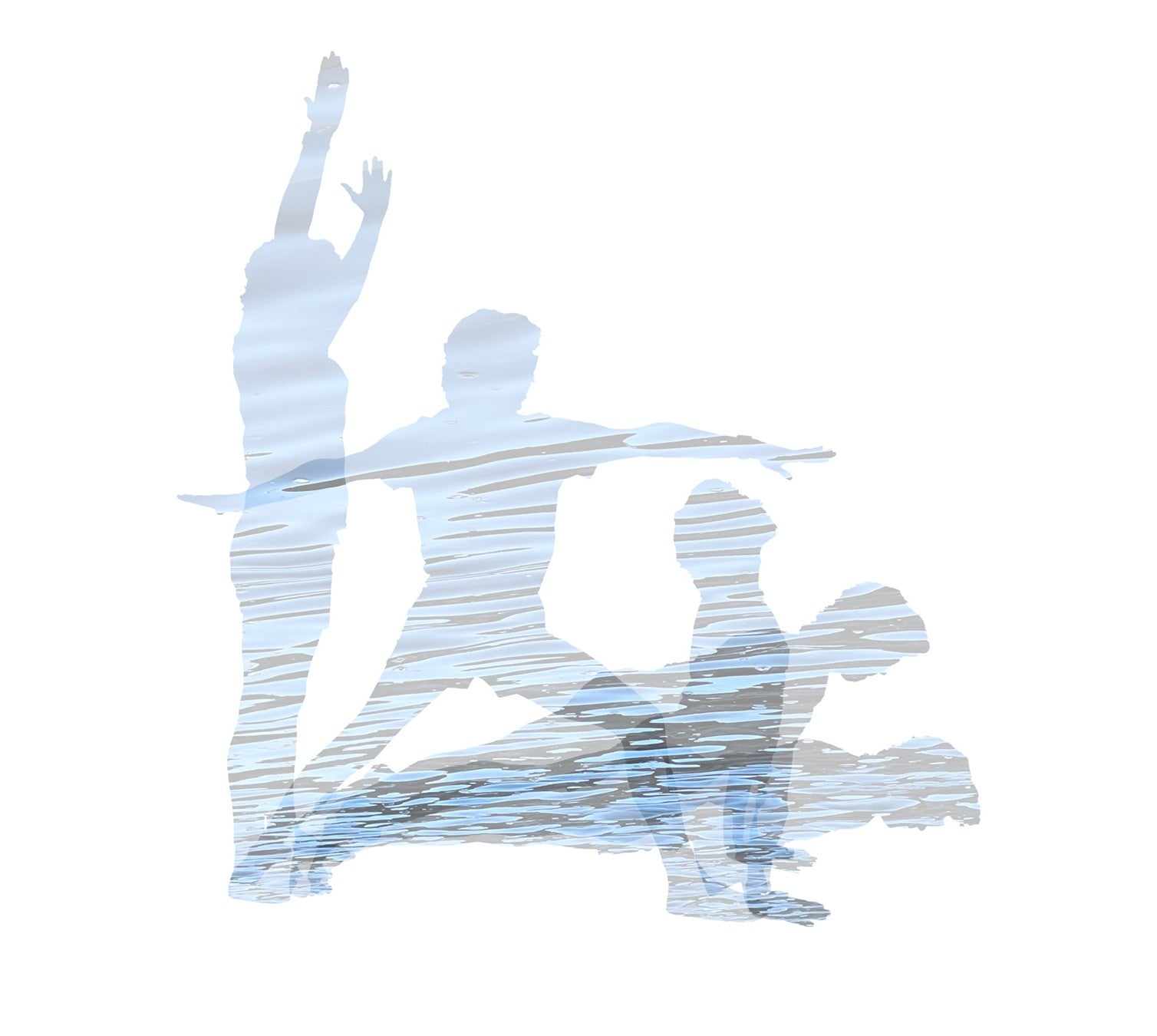
WaterBody
A collage of yoga poses portrays the water within the human body in motion. Embodied River engages the body's facia--the water within us all—through movement and immersion through the site.
Image
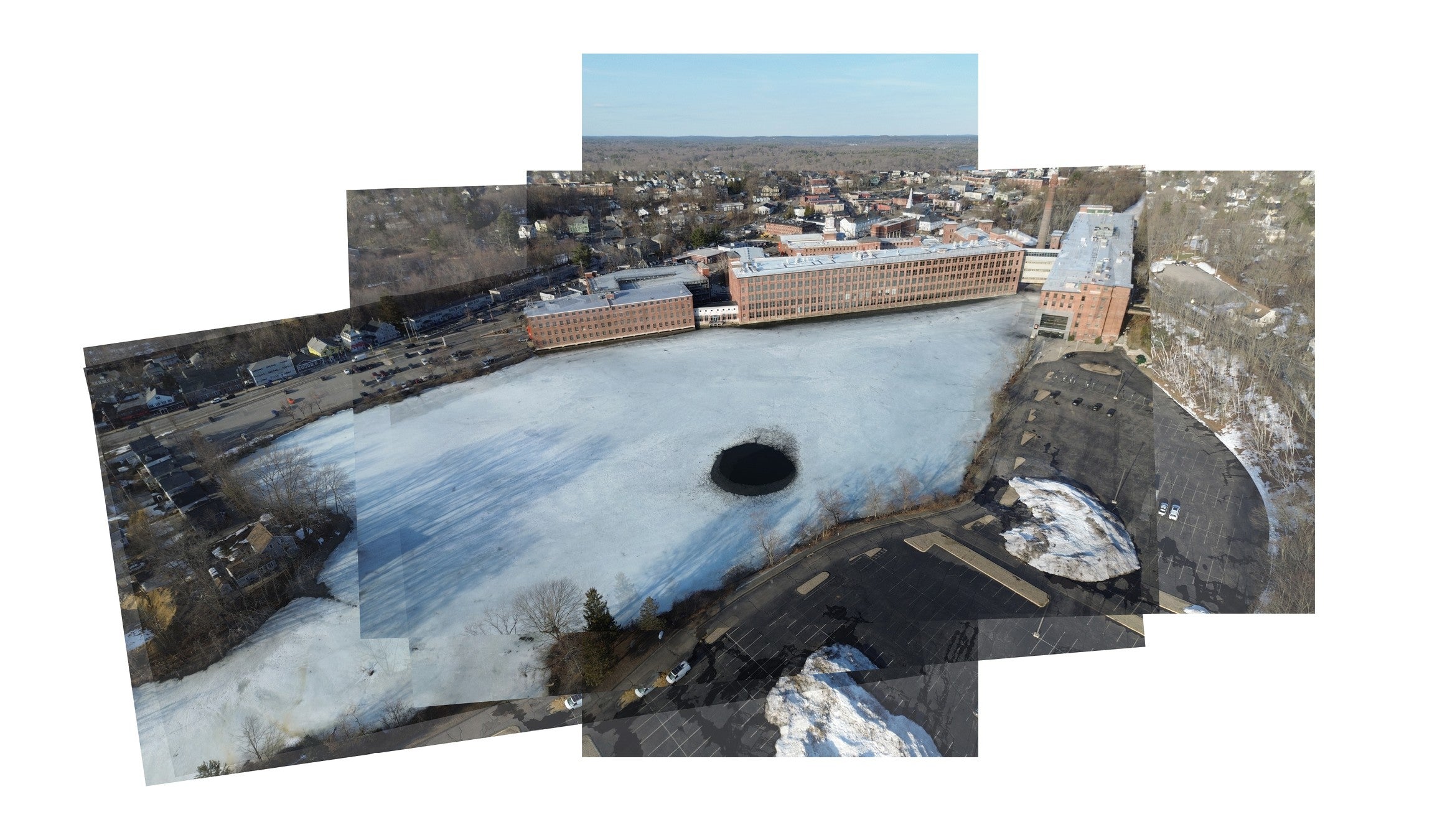
Mill Complex Composite
Drone images show the mill complex buildings, pond, and parking lots.
Image
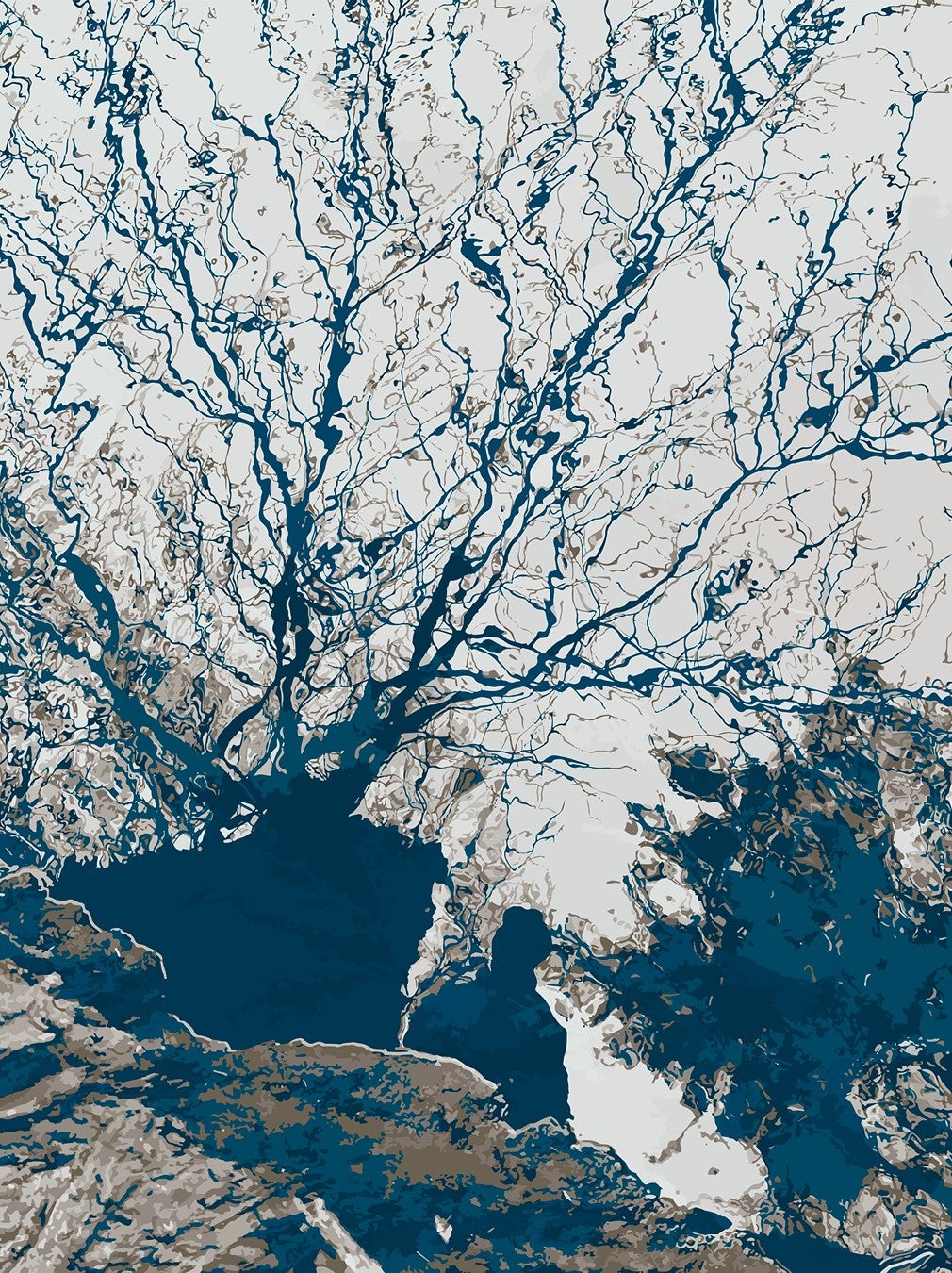
Embodied River
The spreading branches of an ancient red maple (Acer rubrum) and the author's silhouette are reflected in the rippling surface of the Assabet River, evoking a watershed connecting to the sea.
Image
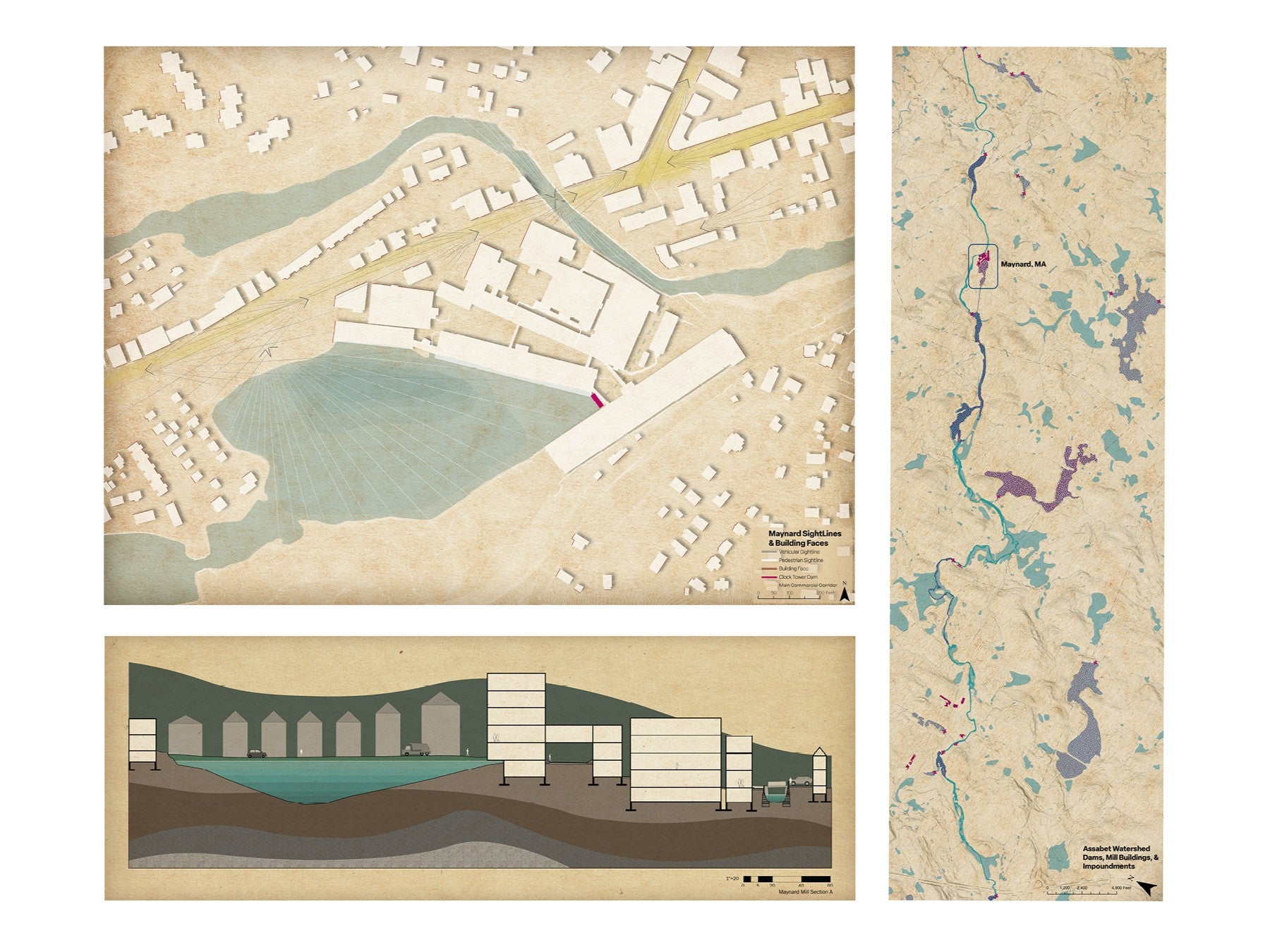
Existing Site Drawings
Dams and impoundments surrounding the site reveal a highly manipulated watershed, while the visibility of the water is mapped in the site plan and the relationship of the pond, river, and architecture is drawn in section.
Image

Rhode Island School of Design
20 Washington Place
Providence, RI 02913–2784
United States of America
+1 401 454 6100
+1 800 364 RISD
QUICK LINKS
risd.edu
Graduate Studies


Image
Rhode Island School of Design
20 Washington Place
Providence, RI 02913–2784
United States of America
+1 401 454 6100
+1 800 364 RISD