Ziqi XU
MFA Digital + Media
In Transit
In Transit is an interactive moving image work that explores how time is constructed through movement and perception. Set within an endless train, viewers move through repeating carriages where subtle shifts in light, motion, and spatial logic destabilize a coherent sense of reality.
Rather than a continuous flow, time here emerges through interaction—shaped by movement, expectation, and illusion.
The train operates as a system of constant forward motion without clear origin or destination. As viewers navigate this space, they begin to sense that time is not simply experienced, but actively constructed.
Image
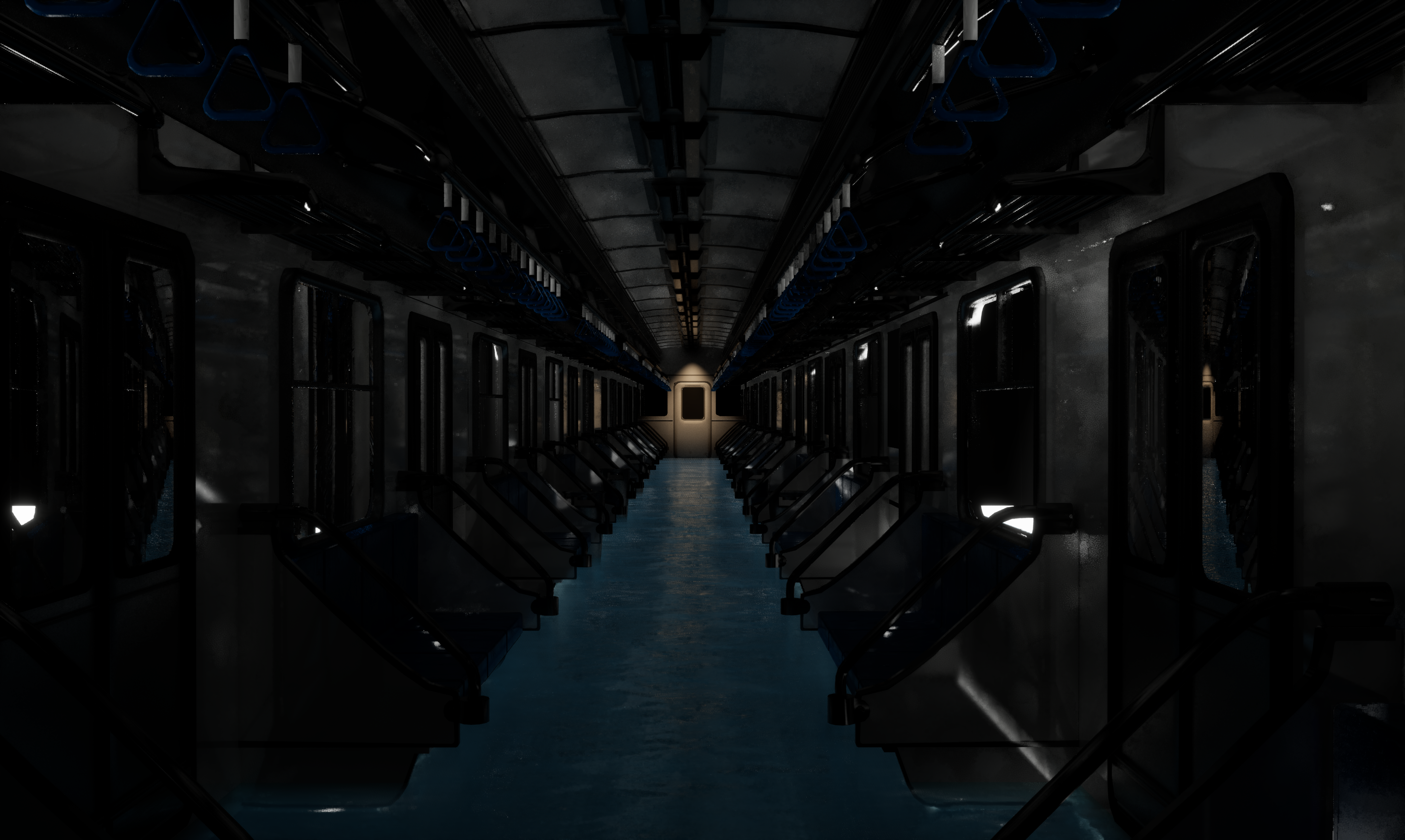
Memory Instability
16:9; Adjustable size
Concept: Time is stretched through reduced change.
Mechanism: The carriage is flooded. Movement becomes slow, and water gradually rises, creating urgency within a slowed environment.
Line: Time does not stop—it thickens, pressing against the body.
Image
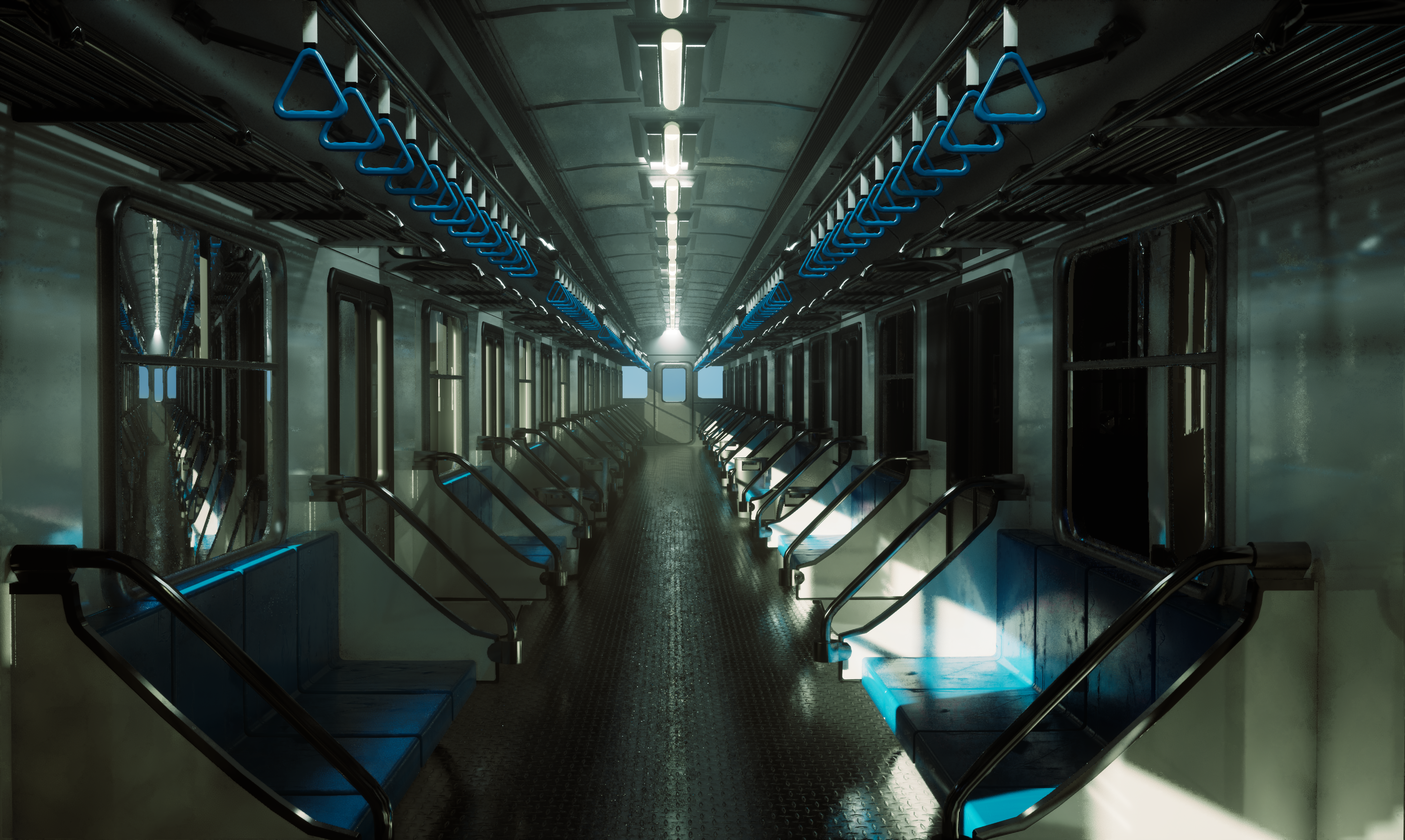
Reversed Temporal Logic
16:9; Adjustable size
Concept: Time is constructed through conditional events.
Mechanism: When the viewer moves, the outside landscape stops. When the viewer stops, it moves.
Line: Movement interrupts time; stillness sets it in motion.
Image
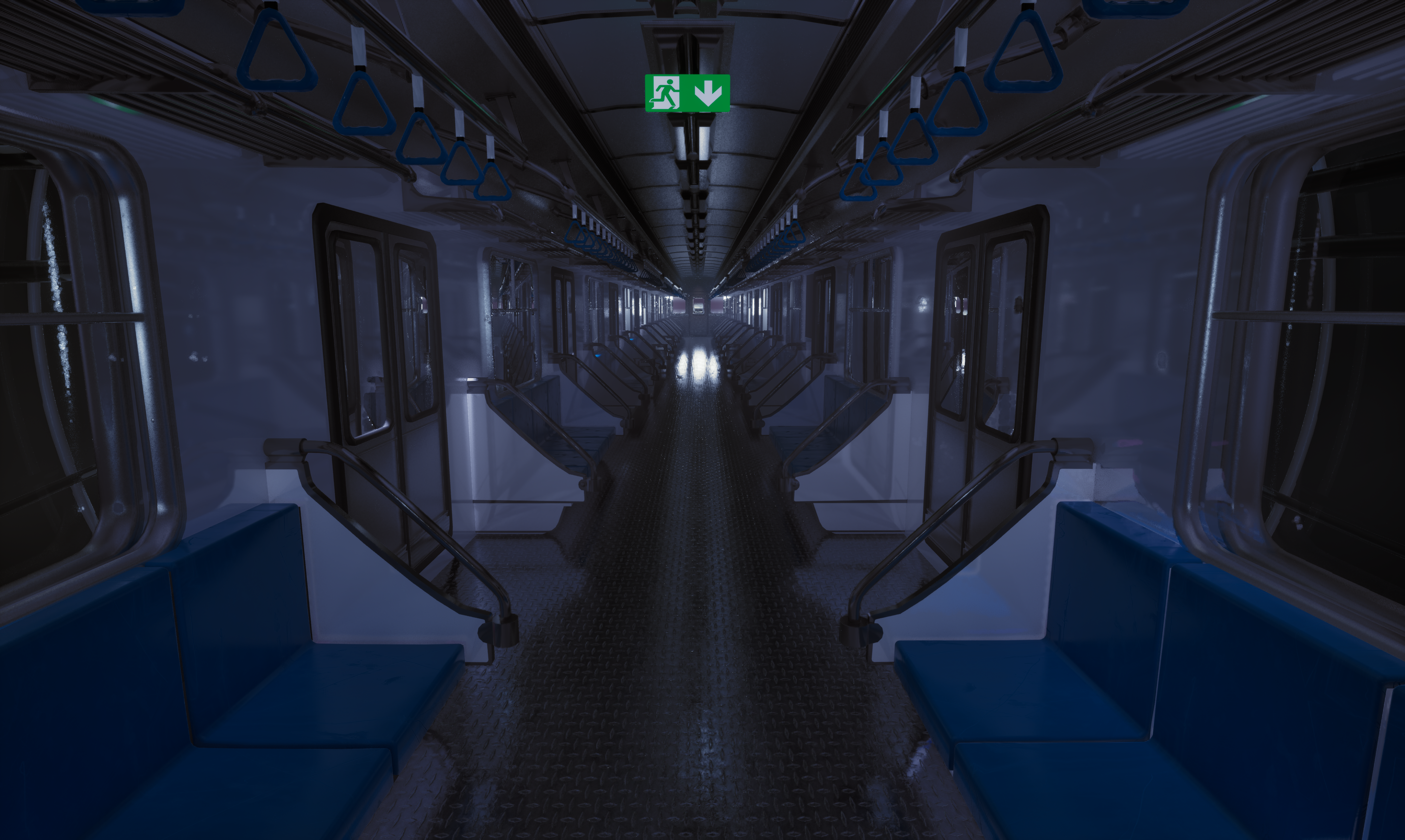
Endless Forward
16:9; Adjustable size
Concept: Time extends without resolution.
Mechanism: Exit signs continuously guide the viewer forward, but no exit is reached.
Line Direction exists, but arrival never comes.
Image
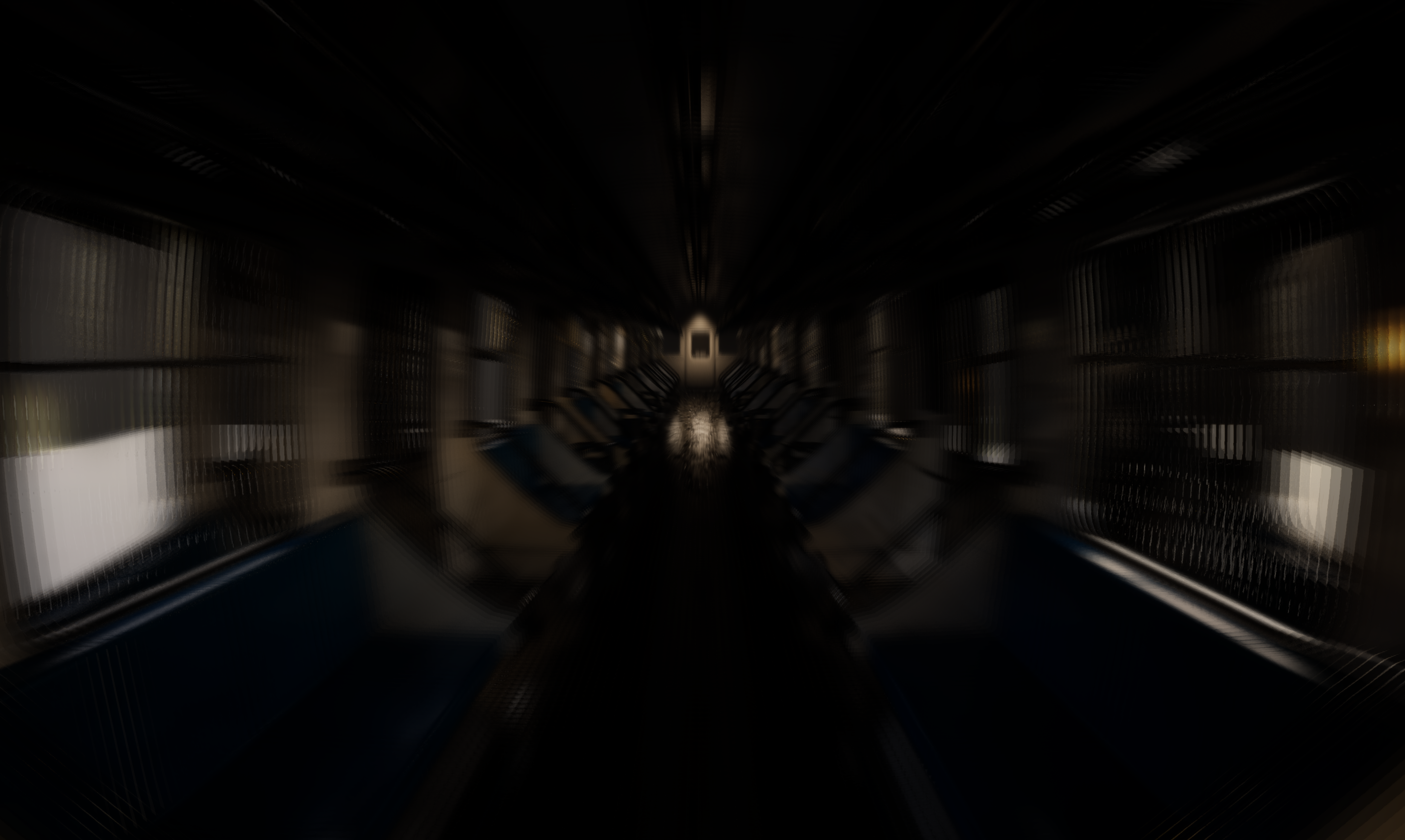
Split Time (Bullet Time)
16:9; Adjustable size
Concept: Multiple temporal speeds coexist.
Mechanism: The space is divided into zones of normal time and extreme slow motion.
Line: Time wraps around the body, tightening and releasing.
Image
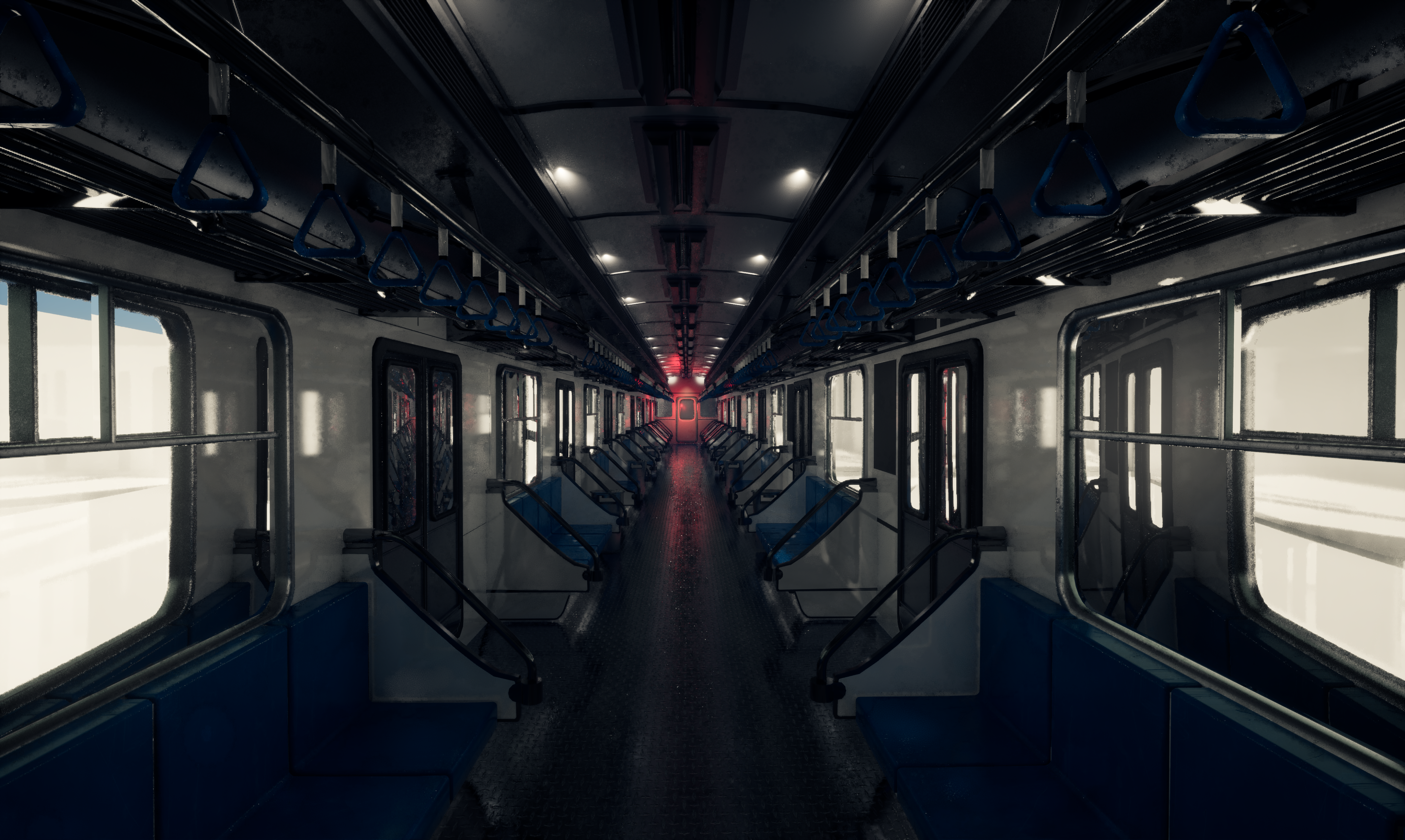
Irreversible Time
16:9; Adjustable size
Concept: Time as one-way progression.
Mechanism: Lights turn off behind the viewer, preventing return.
Line: What disappears behind you no longer belongs to you.
Image
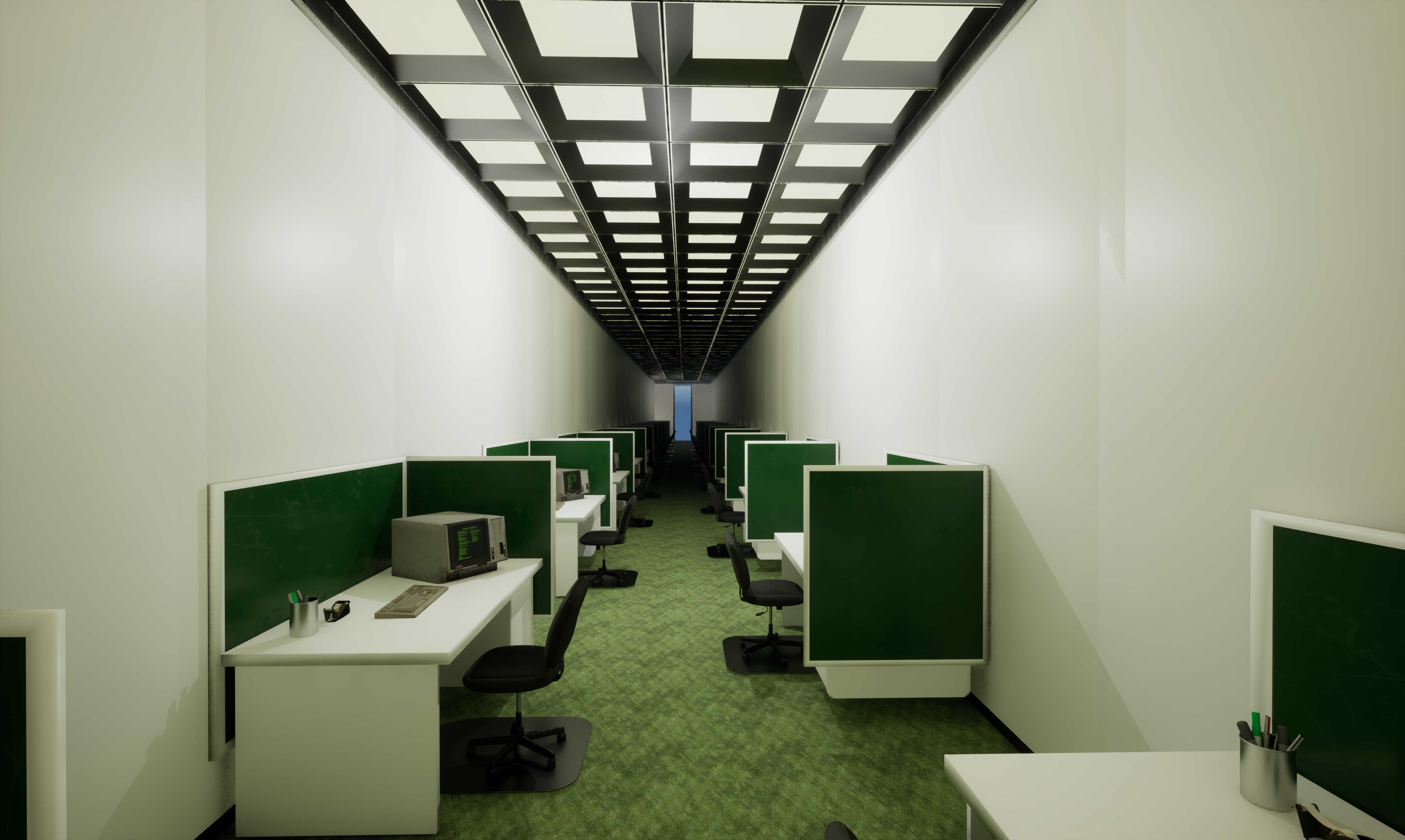
Labor Cycle
16:9; Adjustable size
Concept: Time as repetition.
Mechanism: An infinite office replaces the carriage, repeating endlessly.
Line: Time repeats until it forgets its beginning.
Image
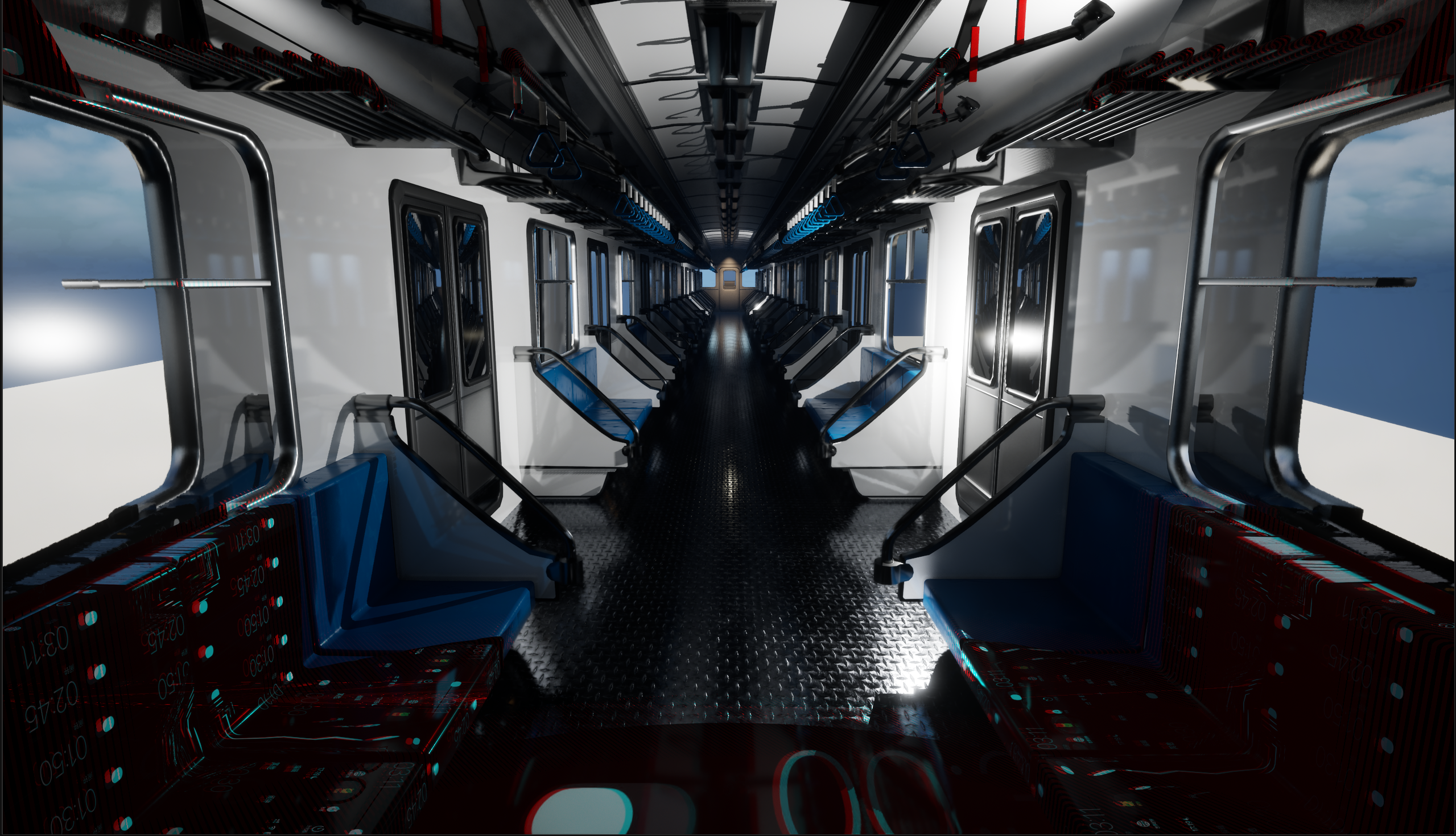
Quantified Time
16:9; Adjustable size
Concept Time as measured and controlled.
Mechanism The space shifts into a system of alarms, schedules, and tasks layered over the carriage.
Line Time is no longer felt — it is assigned.
Image
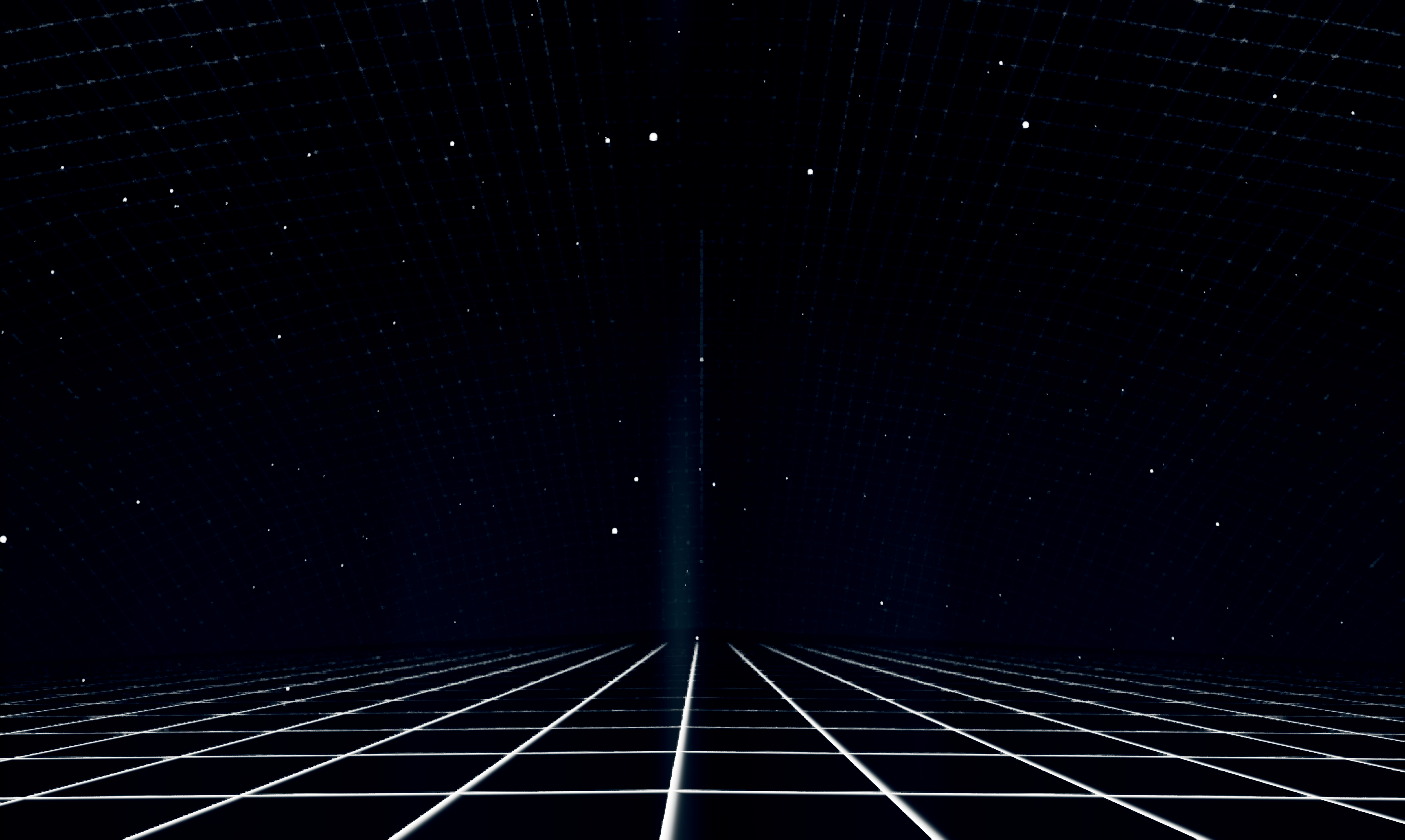
Undefined Future
Concept: Time as potential.
Mechanism: After repeated cycles, the viewer enters an infinite grid-like space.
Line: Time opens — not as direction, but as possibility.
Image

Rhode Island School of Design
20 Washington Place
Providence, RI 02913–2784
United States of America
+1 401 454 6100
+1 800 364 RISD
QUICK LINKS
risd.edu
Graduate Studies


Image
Rhode Island School of Design
20 Washington Place
Providence, RI 02913–2784
United States of America
+1 401 454 6100
+1 800 364 RISD